

Table of Contents
- What makes a cultural safari different from standard wildlife tours
-
Best cultural safari operators in Africa: a comparison
- Simcha African Safaris Limited: authentic Tanzania experiences with handcrafted art
- Asilia Africa: cultural encounters with Maasai and Samburu communities
- Conservation Travel Africa: volunteer-led immersion in Southern Africa
- Creative Travel Africa: eco-cultural adventures blending activity and culture
- Intrepid Travel: ethical tours with community benefit across Africa
- How to plan an authentic African cultural safari: key criteria
- Community-based tourism Africa: supporting local economies
- Responsible tourism practices: what responsible operators prioritize
- Accessibility and physical requirements for cultural safaris
- Measuring post-trip community impact
- Conclusion
Last Updated: August 6, 2026
What makes a cultural safari different from standard wildlife tours
A cultural safari combines wildlife exploration with meaningful engagement with indigenous communities, traditions, and heritage. Unlike standard wildlife tours focused on game drives and animal viewing, cultural safaris prioritize authentic encounters with people and their ways of life alongside nature activities.
Standard wildlife tours treat people as background scenery. Cultural safaris reverse that hierarchy, you're there to understand how communities live, work, and sustain themselves within their landscapes. Wildlife viewing remains central but is contextualized through the lens of people who've inhabited these spaces for generations.
Responsible cultural safari operators work directly with communities to design experiences that benefit them economically and culturally. They prioritize consent, fair compensation, and authentic representation over transactional "cultural performance" models. Cultural immersion isn't something you extract; it's something you're invited into, and that invitation comes with responsibilities.
At Simcha African Safaris Limited, this distinction shapes every itinerary. We combine expertly guided game drives in UNESCO World Heritage sites with direct engagement with local artisans and community members. Our handcrafted African art collection, sourced directly from Tanzanian artisans, extends cultural connection beyond your safari, you're bringing home pieces with documented provenance and direct community benefit.
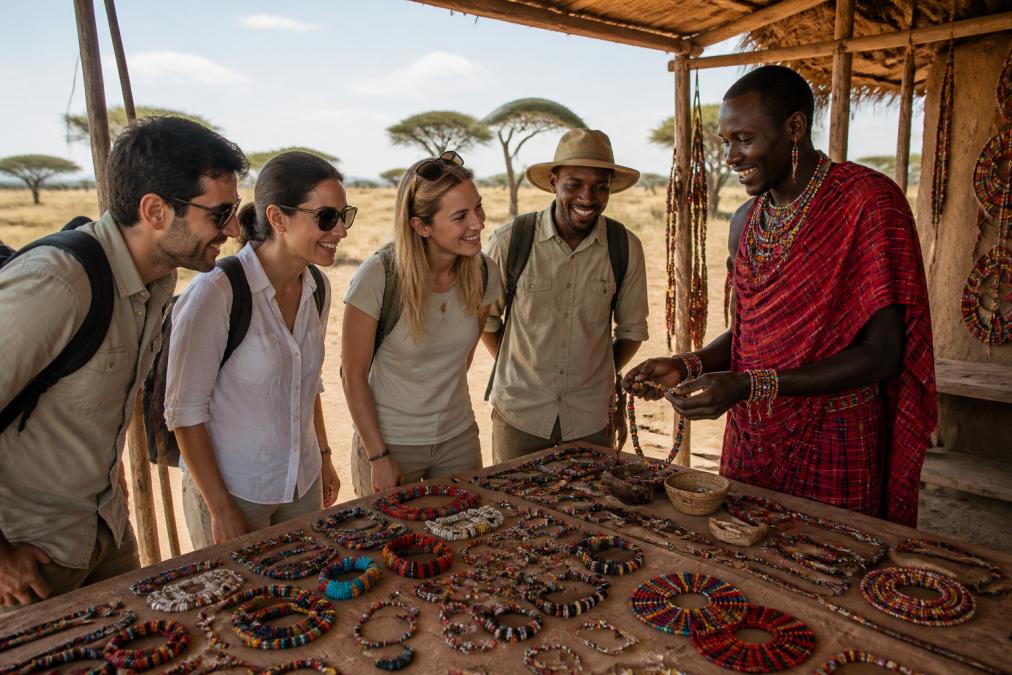
A cultural safari offers beading workshops with Maasai women, storytelling sessions with elders, visits to family homesteads, and opportunities to participate in daily life. You're engaging with culture directly, with transparency about how that engagement benefits the community.
Best cultural safari operators in Africa: a comparison
The market for cultural safari alternatives has expanded significantly. Each operator brings a distinct philosophy and operational model.
Simcha African Safaris Limited: authentic Tanzania experiences with handcrafted art
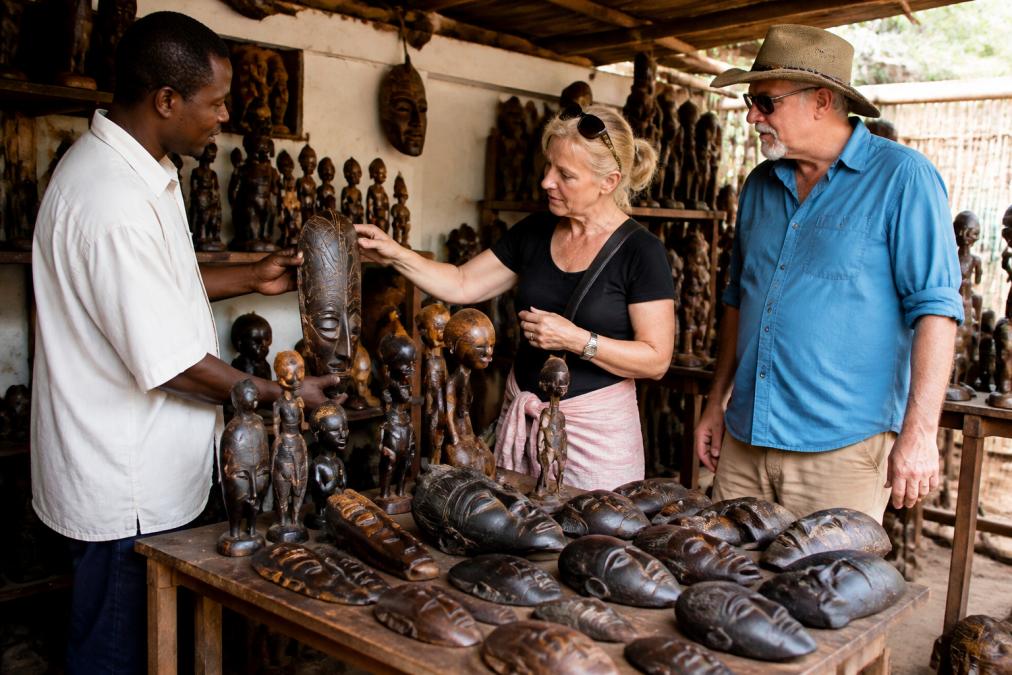
Simcha African Safaris Limited specializes in curated Tanzania safari experiences blending wildlife exploration with authentic cultural discovery. The operator distinguishes itself through direct partnerships with local artisans and communities, offering flexible safari durations from 3 to 7 days. Your experience includes expertly guided game drives in iconic national parks, opportunities to encounter the Big Five in UNESCO World Heritage sites, and direct access to handcrafted traditional tribal masks and paintings sourced from documented local artisans.
What sets this operator apart is integrating material culture into the experience. Rather than treating art as post-trip souvenir shopping, Simcha African Safaris Limited weaves artisan engagement into the safari itself. You meet creators, understand materials (many pieces use mpingo wood, found only in African plains), and purchase directly with documented community benefit. This ensures authenticity, masks and sculptures have verifiable provenance rather than being mass-produced alternatives.
The operator offers specialized relaxation safari packages and combination experiences including whale shark adventures. For travelers with limited timeframes, Simcha African Safaris Limited's flexibility addresses the common constraint of "I only have 5 days, not a week."
Asilia Africa: cultural encounters with Maasai and Samburu communities
Asilia Africa offers cultural encounters emphasizing respectful collaboration with communities like the Maasai, Samburu, and Hadzabe. Activities include traditional beading workshops, homestead visits, and storytelling sessions providing genuine insights into contemporary tribal customs and daily life.
Their strength lies in intentional sensitivity. Rather than performative "cultural shows," Asilia Africa structures experiences around authentic participation, you're learning beading techniques from practitioners who use these skills daily. Cultural encounters integrate into broader safari packages across multiple days, combining wildlife viewing with community engagement.
Conservation Travel Africa: volunteer-led immersion in Southern Africa
Conservation Travel Africa positions travelers as active participants in conservation and community development projects. Rather than observing wildlife and culture, you're contributing hands-on labor to wildlife protection and community conservation programs across Southern Africa.
This model appeals to travelers seeking tangible impact. You're helping address conservation challenges directly. Rustic accommodations and demanding work schedules reflect the grassroots nature of projects. Family-focused volunteer opportunities exist, and the operator prioritizes grassroots partnerships ensuring community agency.
Creative Travel Africa: eco-cultural adventures blending activity and culture
Creative Travel Africa combines high-energy adventure activities, hiking, cycling, abseiling, with authentic cultural touchpoints like cooking classes and live music sessions. This suits travelers wanting immersive adventure alongside cultural engagement rather than pure wildlife focus.
The operator designs itineraries around experiencing "a 360-degree look at the destination," engaging with landscapes, people, and activities simultaneously. A Cape Town experience might combine Table Mountain hiking with township cooking classes and live jazz performances.
Intrepid Travel: ethical tours with community benefit across Africa
Intrepid Travel operates as a B Corp-certified platform offering ethically planned tours across Africa with explicit focus on wildlife conservation, environmental preservation, and indigenous cultural tradition support. The operator publishes how tourism revenue flows to local economies and conservation efforts, appealing to travelers wanting verifiable impact. Group tour formats provide lower per-person costs, though customization is limited.
| Operator | Best For | Approach | Key Differentiator |
|---|---|---|---|
| Simcha African Safaris Limited | Tanzania-focused cultural + art integration | Curated experiences with artisan partnerships | Direct handcrafted art sourcing with documented provenance |
| Asilia Africa | Safari + cultural immersion blend | Respectful community collaboration | Authentic beading workshops and homestead visits |
| Conservation Travel Africa | Hands-on conservation impact | Volunteer-led projects | Active participation in wildlife and community work |
| Creative Travel Africa | Adventure + culture combination | High-energy activities with cultural touchpoints | 360-degree destination engagement |
| Intrepid Travel | Ethical tourism at scale | Group tours with transparency | B Corp certification and published impact metrics |
How to plan an authentic African cultural safari: key criteria
Planning an authentic cultural safari requires understanding how operators actually engage with communities. Most travelers default to booking based on itinerary and price, missing structural questions determining whether experiences genuinely benefit communities or exploit them.
Ethical engagement and community benefit
Authentic cultural safaris operate on the principle that communities control their own representation. Operators work with communities to design experiences rather than imposing predetermined "cultural performances." Community-designed experiences reflect what community members want to share; externally designed experiences often perpetuate stereotypes.
Verify whether operators have documented partnerships with specific communities. Legitimate operators can name communities they work with, explain compensation flows, and facilitate direct relationships. Ask specific questions about economic benefit: How much of your tour cost reaches the community? Are community members paid fairly for their time and expertise? Do communities control which experiences are offered?
Transparency and vetting checklist
Use this framework when evaluating operators:
- Can the operator name specific communities they partner with?
- Do they provide documentation of how compensation flows to communities?
- Are community members listed as decision-makers in experience design?
- Does the operator limit group sizes to enable meaningful engagement?
- Can they explain their sourcing for handicrafts or art sold during tours?
- Do they have documented partnerships with conservation organizations?
- Are there testimonials from community members themselves?
- Does the operator address potential negative impacts and mitigation strategies?
- Are there clear cancellation policies that don't penalize communities?
- Can they explain their approach to solo female traveler safety?
Operators genuinely committed to responsible tourism can articulate practices in detail. Those offering vague statements about "supporting communities" without specifics typically prioritize profit extraction.
Community-based tourism Africa: supporting local economies
Community-based tourism represents a structural alternative to traditional safari models. Communities themselves design and manage tourism offerings, directly addressing how to enable meaningful cross-cultural engagement without extracting value from visited communities.
When tourism revenue flows directly to communities, economic incentives align with conservation and cultural preservation. Communities benefit from maintaining wildlife populations, protecting landscapes, and preserving traditions because these directly generate income.
Community-based tourism takes multiple forms. Some communities operate their own lodges and guide services, retaining all revenue. Others partner with operators but maintain decision-making authority over experiences, pricing, and tourism integration with daily life. The strongest models combine community ownership with professional tourism management.
Supporting community-based tourism means prioritizing operators demonstrating transparent community ownership and benefit. Ask whether communities can decline participation in specific activities, adjust pricing, or modify experiences based on their needs.
Simcha African Safaris Limited's approach of sourcing handcrafted art directly from Tanzanian artisans exemplifies this principle. Rather than purchasing mass-produced items for resale, the operator works with documented creators, ensuring artisans receive fair compensation. When you purchase an African Tribal Maasai Traditional Mask or African Maasai Man Sculpture, you're supporting specific craftspeople directly.

Responsible tourism practices: what responsible operators prioritize
Responsible cultural safari operators share common commitments distinguishing them from extractive alternatives.
Responsible operators limit group sizes deliberately. Large groups create logistical challenges for communities and reduce meaningful interaction. Most responsible operators cap groups at 8-12 people, prioritizing quality engagement over profit maximization.
They invest in staff training and fair compensation. Community guides, drivers, and hospitality staff should receive above-average wages, benefits, and professional development opportunities. Ask about staff turnover rates and whether guides are permanent employees or seasonal contractors.
Responsible operators maintain transparency about environmental practices: waste management, water conservation, wildlife disruption minimization, and vehicle number policies in specific areas. These details matter because tourism's environmental footprint directly affects landscapes and wildlife.
They address cultural sensitivity explicitly, including photography policies, appropriate dress codes, and behavioral expectations during cultural encounters. Operators providing these guidelines upfront demonstrate respect.
Responsible operators acknowledge potential negative impacts and implement mitigation strategies. Tourism inevitably changes communities through external values, economic dependencies, and cultural commodification. Operators committed to responsibility actively minimize harm while maximizing community agency and benefit.
Accessibility and physical requirements for cultural safaris
A common misconception is that cultural safaris require athletic conditioning. Most cultural engagement, beading workshops, storytelling sessions, homestead visits, cooking classes, requires minimal physical exertion. Accessibility depends on specific itineraries rather than the category itself.
Game drives typically involve sitting in vehicles for 2-4 hours per session, suiting most mobility levels. Modern safari vehicles provide reasonable comfort on rough terrain. The challenge for travelers with limited mobility is typically vehicle entry/exit.
Walking distances vary significantly. Some experiences involve short walks under 1 mile; others include longer hiking. Responsible operators provide detailed information about distances and terrain difficulty.
For specific accessibility needs, communicate directly with operators before booking. Quality operators honestly assess whether they can accommodate your requirements. Ask about vehicle accessibility features, accommodation accessibility, meal accommodations, and whether guides have experience supporting travelers with specific needs.
Temperature and altitude present real considerations. Tanzania's safari regions range from sea-level coastal areas to highland regions at 5,000+ feet elevation. Discuss this with your operator and consult healthcare providers if altitude sensitivity concerns you.
Solo female travelers should ask specifically about operator experience with solo women travelers, safety protocols, and guide training. Request references from other women who've traveled solo with the operator. Concrete details matter more than generic assurances.
Measuring post-trip community impact
The authentic test of responsible cultural tourism happens after you leave. Did your participation genuinely benefit the community?
Before booking, ask how you can measure impact. Some operators provide post-trip updates showing how your fees contributed to specific community projects. Others facilitate ongoing relationships, allowing you to support specific artisans or initiatives beyond the tour.
Consider purchasing handcrafted items directly from artisans. Simcha African Safaris Limited's collection of mpingo wood masks and sculptures represents this model, you're acquiring authentic pieces while supporting documented creators, extending community benefit beyond tour fees.

Some operators facilitate long-term connections through follow-up communication or volunteer opportunities. If moved by a community's work, inquire whether you can support their initiatives from home through purchasing their products, donating to projects, or advocating for their conservation efforts.
The most meaningful post-trip impact comes from becoming an informed advocate. Share your experience authentically. Recommend operators prioritizing community benefit. Support cultural preservation efforts in visited communities. This amplifies your individual impact and contributes to broader shifts in how tourism engages with communities.
Planning a cultural safari requires understanding the communities whose lands you're visiting and how your presence affects them. Alternatives to extractive tourism models exist but require intentional choices, selecting operators committed to community partnership, asking difficult questions about economic benefit, and understanding your responsibilities as a visitor.
Simcha African Safaris Limited's approach of combining expertly guided game drives in UNESCO World Heritage sites with direct artisan partnerships and handcrafted art sourcing demonstrates how cultural tourism can genuinely serve communities while delivering exceptional experiences. Request a quote to explore how flexible, community-focused safari durations can be customized to your timeframe while ensuring your participation actively supports Tanzanian communities and conservation efforts.
Frequently Asked Questions
What are the best alternatives to Rewild Away for cultural immersion?
Several operators excel at cultural immersion beyond Rewild Away. Simcha African Safaris Limited combines wildlife with authentic Tanzanian cultural experiences and handcrafted tribal art. Asilia Africa offers respectful cultural encounters with Maasai and Samburu communities through beading workshops and homestead visits. Conservation Travel Africa provides volunteer-led immersion in Southern Africa, while Creative Travel Africa blends adventure activities with cooking classes and live music. Each operator approaches cultural engagement differently, so your choice depends on whether you prefer passive observation, hands-on volunteering, or adventure-combined experiences.
How do I choose a reputable cultural safari operator in Africa?
Evaluate operators on three criteria: community benefit, transparency, and traveler accountability. Ask how much revenue directly supports local communities and request specific examples of community projects funded by tourism income. Reputable operators openly share their vetting process and can name the specific communities they work with. Check whether they employ local guides, source from local artisans, and have formal partnerships with communities rather than transactional relationships. Read reviews that mention cultural authenticity rather than just comfort level. Verify whether the operator is B Corp certified or holds similar sustainability credentials.
What makes a safari 'cultural' rather than just wildlife-focused?
A cultural safari prioritizes meaningful interaction with local communities and heritage preservation alongside wildlife viewing. Wildlife-focused safaris concentrate on game drives and animal sightings. Cultural safaris include activities like visiting family homesteads, participating in traditional beading or cooking, learning tribal customs directly from community members, and purchasing handcrafted art directly from artisans. Authentic cultural safaris involve pre-trip research about the specific communities you'll meet, employ local guides from those communities, and allocate time for storytelling sessions and cultural exchange rather than treating communities as photo opportunities.
What should I look for in a sustainable cultural safari provider?
Sustainable providers demonstrate commitment to conservation, community economics, and environmental responsibility. Look for operators that channel tourism income into local conservation projects, employ community members as guides and staff, and support habitat restoration. They should use low-impact accommodation, minimize waste, and limit group sizes to reduce environmental strain. Ask about their approach to wildlife viewing, ethical operators avoid habituating animals or disrupting natural behavior for photos. Request their community impact metrics: how many local jobs created, what percentage of revenue stays in the community, and which conservation projects they fund. Operators transparent about these metrics tend to be genuinely committed.
This article was written using GrandRanker


