

Table of Contents
- Is Solo Female Safari Travel Actually Safe?
- Pre-Trip Preparation: What Solo Female Travelers Must Do
- How to Choose a Safari Tour Operator You Can Trust
- Best Safari Destinations for Solo Female Travelers
- Group vs Private Safari for Solo Travelers: Which Is Safer?
- On-Safari Safety: Wildlife, Camp, and Daily Protocols
- Cultural Etiquette and Situational Awareness in Tanzania
- Post-Safari Urban Safety: Navigating Cities Before and After
Last Updated: August 9, 2026
Is Solo Female Safari Travel Actually Safe?
Solo female safari travel is absolutely safe when you prepare properly and choose the right operator. Thousands of solo female travelers visit Tanzania's national parks every year without incident. What separates a smooth experience from a stressful one comes down to three things: preparation, operator selection, and situational awareness.
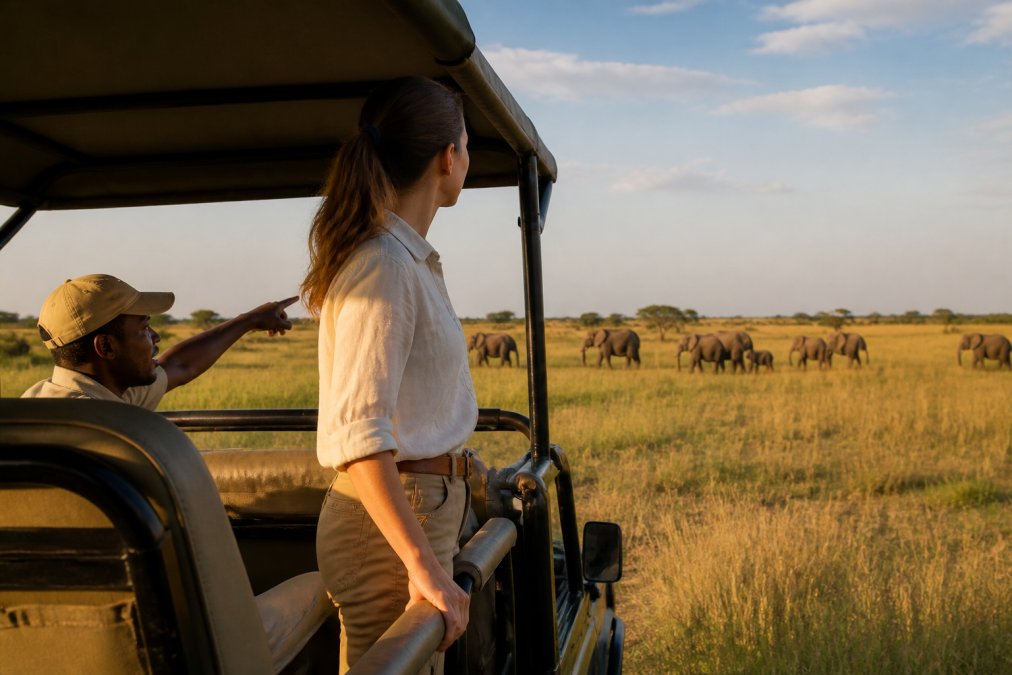
The misconception that safaris are inherently dangerous for women traveling alone persists because wildlife encounters dominate the narrative. But statistically, the risks are manageable compared to many other travel scenarios. The real safety challenges are more mundane: choosing a reputable operator, understanding local customs, protecting your digital footprint, and managing your belongings in transit.
Solo female travelers who take the right precautions report feeling safer on organized safaris than navigating urban centers alone. Safari camps operate under strict protocols, guides receive training in emergency response, and your movements are tracked throughout your journey.
Pre-Trip Preparation: What Solo Female Travelers Must Do
Your preparation phase determines whether you'll feel confident and in control once you arrive.
Travel advisories and vaccinations
Check current travel advisories before booking. The Tanzanian government and your home country's foreign affairs office publish guidance specific to different regions of Tanzania, flagging any active security concerns or areas to avoid.
Yellow fever vaccination is required for entry into Tanzania. Malaria prophylaxis (preventive medication) is essential depending on which regions you'll visit. Consult with a travel health clinic at least six weeks before departure, not a general practitioner, but a clinic specializing in travel medicine. They'll assess your specific itinerary and the seasonal malaria risk in areas like the Serengeti or Ngorongoro Crater.
Typhoid, hepatitis A, and tetanus protection are also standard recommendations. Document all vaccinations and carry proof with you.
Safari travel insurance for solo women
Standard travel insurance is insufficient for safari travel. You need a policy that covers medical evacuation from remote locations, critical since safari camps operate in areas where immediate hospital access isn't possible.
Purchase a policy that explicitly covers:
- Medical evacuation from remote areas
- Emergency medical treatment in Tanzania
- Trip cancellation if you need to postpone due to illness or family emergency
- Loss or theft of belongings and valuables
- Personal liability
Read the fine print carefully. Some policies exclude "high-risk activities" or have geographic exclusions. Confirm your chosen policy covers Tanzania and safari activities specifically.
Digital footprint and privacy setup
Before you leave, reduce your digital footprint. Don't announce your travel dates on social media or share real-time location updates. This prevents opportunistic crime targeting your home or targeting you directly.
Use a VPN on your phone and laptop throughout your trip. Public WiFi in lodges and camps is vulnerable to interception. A VPN encrypts your traffic and protects your login credentials and personal data.
Set your phone to airplane mode when you're not actively using data. This extends battery life in areas with limited charging and prevents unexpected roaming charges.
Inform your bank and credit card companies of your travel dates and regions you'll visit. This prevents your cards from being declined. Provide emergency contact numbers to someone you trust at home and establish a check-in schedule.
How to Choose a Safari Tour Operator You Can Trust
Choosing the right operator is the single most important decision you'll make.
Vetting guides and verifying credentials
Research the company's history and reputation. Look for operators with established relationships with lodges and camps, and a track record of returning clients. Ask for references from previous solo female travelers.
Verify that guides hold current certifications from Tanzania's tourism board. Professional guides complete formal training in wildlife safety, first aid, emergency response, and guest management. Ask specifically about guide credentials before booking.
Request information about the operator's safety record. Have there been incidents? How were they handled? What systems are in place to prevent future problems? Transparency here indicates confidence in their protocols.
Ask whether guides and staff receive regular training in handling solo female travelers. This includes understanding specific concerns, respecting boundaries, and recognizing when a guest needs additional support.
What to ask before booking
Before committing financially, ask these specific questions:
-
What is the group size on game drives? Smaller groups (4-6 people) allow for more personalized attention and flexibility.
-
Will I be grouped with other solo travelers or mixed with couples? State your preference and confirm the operator can accommodate it.
-
What happens if I feel unsafe with a guide or in a situation? A good operator has a clear protocol for switching guides or changing activities immediately.
-
What communication systems are in place? How do you contact camp management if you need help? Is there 24-hour staff availability?
-
What are the lodge security measures? Ask about locked accommodations, lighting in common areas, staff presence at night, and protocols for unexpected visitors.
-
How flexible is the itinerary? Can activities be modified based on weather, wildlife sightings, or your comfort level?
-
What's included in the price, and what costs extra? Confirm exactly what's covered: meals, activities, park fees, tips, transportation.
-
Can I speak with a previous solo female traveler? A reference call provides invaluable insight into the actual experience.
Best Safari Destinations for Solo Female Travelers
Tanzania offers several exceptional safari destinations, each with different characteristics.
The Serengeti is the most iconic destination and genuinely worth the hype. The scale of wildlife, the annual migration, and the sense of wilderness are unmatched. It's also well-established for tourism, meaning infrastructure, guides, and safety protocols are mature.
The Ngorongoro Crater offers a more contained safari experience. The crater walls create a natural enclosure, concentrating wildlife and making animal sightings more predictable. The crater is also closer to Arusha, reducing travel time and complexity.
Lake Natron and the Northern Circuit appeal to travelers seeking less-crowded experiences. These destinations require more logistical complexity and longer travel times, so they suit solo female travelers comfortable with extended periods in remote areas.
Selous Game Reserve (now Nyerere National Park) is Tanzania's largest protected area. It's less visited than the Serengeti, offering a more exclusive feel with exceptional wildlife viewing.
For your first solo safari, the Serengeti or Ngorongoro Crater are safer choices because infrastructure is more developed. If you've traveled solo before and want more seclusion, the Northern Circuit or Nyerere offer that experience.
Group vs Private Safari for Solo Travelers: Which Is Safer?
Group safaris place you with 4-8 other travelers. You share a vehicle, meals, and camp experiences. Advantages: built-in social connection, shared costs, reduced loneliness, and the safety that comes from group dynamics. Disadvantages: less flexibility and compromised itinerary decisions.
For many solo female travelers, especially first-timers, group safaris are ideal. You get the safety of shared experience without complete isolation.
Private safaris mean you have a dedicated guide and vehicle. Advantages: complete flexibility, personalized attention, and the ability to set your own pace. Disadvantages: higher cost, no built-in social connection, and significant time with just one guide.
Private safaris appeal to experienced solo travelers who know what they want. Both are safe when the operator and guide are reputable; the difference is logistical and experiential, not safety-based.
Simcha African Safaris Limited offers both options and can help you determine which suits your travel style.
On-Safari Safety: Wildlife, Camp, and Daily Protocols
Once you're in Tanzania, safety becomes about understanding protocols, respecting wildlife, and maintaining situational awareness.
Wildlife safety and vehicle protocols
During game drives, your guide manages all wildlife interactions. Never exit the vehicle without explicit permission from your guide, even if an animal seems calm or distant.
Animals are unpredictable. A lion that appears relaxed can change behavior instantly. Elephants are particularly dangerous, they're intelligent, territorial, and can move with surprising speed. Trust your guide's judgment completely.
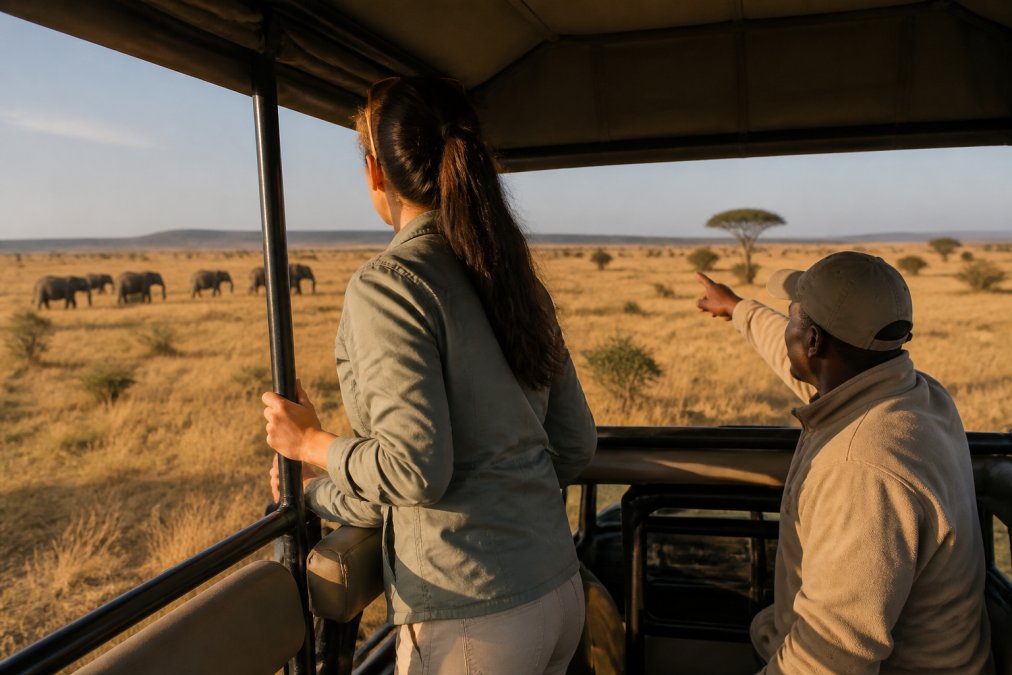
Photography tempts people to take risks. Don't lean out of the vehicle to get a better shot, and don't stand up for extended periods. Vehicle positioning protects you; moving outside that protection increases risk exponentially.
Early morning and late afternoon game drives offer the best wildlife viewing. Avoid wandering alone at any time, especially at dawn, dusk, or night when visibility is poor and predators are active.
Lodging security and nighttime protocols
Safari camps maintain security protocols. Most accommodations have locked doors and windows. Use these locks consistently, even during the day.
Lighting in common areas is usually adequate, but pathways to rooms can be dark. Ask staff about the safest routes. If you're uncomfortable, request a staff escort to your room, this is standard practice.
Nighttime bathroom trips require planning. Use facilities in your room if available. If you need to walk to communal facilities, do so during busy times or request a staff escort.
Be aware of who has access to your room. Housekeeping staff clean during the day; confirm this schedule and lock your valuables.
Meals and social time happen in communal areas, which are generally safe and well-lit. Participate in group activities if comfortable, or prefer solitude if you wish.
Managing money, valuables, and unwanted attention
Carry minimal cash and use ATMs in larger towns before heading to camps. Most camps accept card payments. Divide what cash you carry: some in a money belt worn under clothing, some in your day bag, and some in your room safe.
Valuables stay in your room safe or with you in a secure bag. Don't display expensive gear casually.
Unwanted attention from staff or guides is rare but possible. If someone makes you uncomfortable, report it immediately to camp management. Reputable operators take these reports seriously and will remove staff or change your guide.
Alcohol is available at camps, and social drinking is common. Drink moderately and stay aware of your surroundings. Never leave drinks unattended.
Cultural Etiquette and Situational Awareness in Tanzania
Tanzania is a welcoming country with strong cultural traditions. Respecting local customs demonstrates respect and reduces the likelihood of conflict.
Dress conservatively, especially outside tourist areas. Cover shoulders and knees in villages and when visiting cultural sites. In safari camps, casual dress is acceptable, but avoid overly revealing clothing.
Learn basic Swahili phrases. "Jambo" (hello), "Asante" (thank you), and "Pole" (slowly/gently) go a long way.
Photography requires permission. Never photograph people without asking first. Always respect refusals.
Bargaining is expected in markets but not in established shops or camps. Know fair prices beforehand and be respectful in negotiations.
Situational awareness means noticing your surroundings and trusting your instincts. If a situation feels off, remove yourself from it. Your intuition is valuable data.
Avoid displaying wealth. Keep valuables secure and don't flaunt them.
Post-Safari Urban Safety: Navigating Cities Before and After
Most solo female travelers spend time in Dar es Salaam or Arusha before or after their safari. These cities are generally safe for tourists but require situational awareness.
Use registered taxis or ride-sharing apps rather than hailing cabs on the street. Uber and similar services operate in major cities and provide accountability. Avoid traveling alone late at night in unfamiliar areas.
Stick to established tourist areas and business districts during the day. Avoid displaying cameras, expensive phones, or jewelry. Use a money belt for cash and keep bags close to your body.
Hotels in tourist areas maintain security. Ask your hotel staff about safe neighborhoods, reliable transportation, and recommended restaurants.
Petty theft is more common than violent crime, but it's manageable with basic precautions. Keep belongings secure and be aware of crowded areas where pickpocketing occurs.
If you're hiring a local guide for cultural experiences or city tours, use the same vetting process you used for safari operators. Ask for credentials, references, and confirmation of experience with solo female travelers.
Solo female safari travel is genuinely safe when you prepare strategically and choose operators committed to your security. The challenge isn't the destination, it's building confidence in your own judgment and following protocols that experienced travelers have refined over years.
Simcha African Safaris Limited specializes in supporting solo female travelers with tailored itineraries, trained guides experienced in working with women traveling alone, and accommodations that prioritize your comfort and security. Their flexible safari durations (3-7 days) accommodate different schedules, and their access to UNESCO World Heritage sites ensures you're experiencing Tanzania's most protected and well-managed areas. Request a quote to discuss your specific needs and concerns.
Frequently Asked Questions
Is it actually safe to go on safari alone as a solo female traveler?
Yes, solo female safari travel is safe when you book with a trusted operator, follow wildlife protocols, and prepare thoroughly. Tanzania receives thousands of solo female travelers annually. The key is choosing an organized tour with an experienced local guide rather than traveling independently. Reputable operators implement specific safety measures including emergency contacts, communication systems, and trained staff. Your biggest risks are preventable through preparation and situational awareness, not inherent to solo travel itself.
What should I look for when choosing a safari tour operator as a solo female traveler?
Verify the operator's licensing with Tanzania's tourism board, read recent reviews from solo female travelers specifically, and ask about their experience with solo guests. Request the names and contact details of previous solo female clients you can reach out to. Check that guides have wilderness first aid training and that the operator has emergency evacuation protocols. Ask how they handle solo accommodation (private vs shared), whether female guides are available, and what communication systems are in place in remote locations. Legitimate operators welcome these questions and provide detailed answers.
Do I need travel insurance if I'm traveling solo on safari?
Yes, safari travel insurance for solo women is essential. Standard travel insurance often excludes adventure activities and remote locations. Purchase a policy that covers medical evacuation (critical in remote areas), trip cancellation, equipment loss, and emergency repatriation. Check that it covers safari-specific activities like game drives and tented camps. Tanzanian operators cannot guarantee evacuation capability in all areas, so insurance that covers helicopter rescue is vital. Compare policies from providers experienced with African travel to ensure coverage matches the actual risks you'll face.
Should I book a group tour or private safari as a solo female traveler?
Group tours offer built-in social connection and shared costs, while private safaris provide flexibility and personalized attention. For solo female travelers, group tours reduce isolation and create natural accountability, guides and other travelers know your whereabouts. Private safaris work well if you hire a trusted operator with excellent safety protocols and maintain regular communication with someone outside Tanzania. Many solo travelers prefer small group tours (4-8 people) as a middle ground. The choice depends on your budget, comfort level with group dynamics, and confidence in your chosen operator's safety systems.
This article was written using GrandRanker


