

Table of Contents
- Quick Comparison: Top Souvenirs at a Glance
- 1. Mpingo Wood Carvings and Sculptures
- 2. Tingatinga Paintings and Hand-Painted Art
- 3. Tanzanite Gemstone Jewelry
- 4. Maasai Beadwork and Traditional Accessories
- 5. Traditional Textiles: Kanga, Kitenge, and Kikoy
- 6. Local Spices, Coffee, and Specialty Foods
- How to Bargain at Tanzanian Markets and Verify Authenticity
Last Updated: August 23, 2026
Quick Comparison: Top Souvenirs at a Glance
| Souvenir Type | Price Range | Best For | Where to Buy | Why It Matters |
|---|---|---|---|---|
| Mpingo Wood Carvings | $120-$175 | Home décor, collectors | Local artisan markets, curated shops | Handcrafted from rare wood, authentic cultural heritage |
| Tingatinga Paintings | $160-$175 | Wall art, collectors | Stone Town galleries, artist studios | Vibrant hand-painted scenes of local wildlife and culture |
| Tanzanite Jewelry | Varies widely | Special occasions, investment | Certified gemstone dealers, reputable shops | Rare gemstone found only in Tanzania, stunning blue-violet hues |
| Maasai Beadwork | $50-$200+ | Jewelry, accessories, décor | Market stalls, artisan cooperatives | Traditional craftsmanship, supports local communities |
| Traditional Textiles | $15-$80 | Clothing, home décor, gifts | Markets, textile vendors, cooperatives | Colorful patterns, practical everyday items |
| Local Spices & Coffee | $10-$30 | Food gifts, personal use | Markets, specialty shops, cooperatives | Authentic flavors, support local farmers |
Finding authentic, ethically sourced souvenirs in Tanzania requires knowing which pieces genuinely reflect the country's cultural heritage. At Simcha African Safaris Limited, we offer a selection of handcrafted African art. Below are eight authentic finds that capture Tanzania's spirit while supporting local craftspeople.

1. Mpingo Wood Carvings and Sculptures
Mpingo wood, also called African blackwood, is found only in African plains and has been carved into masks and sculptures for centuries. This dense hardwood's deep color and fine grain make it ideal for intricate detail work that lasts a lifetime. Traditional Mpingo carvings hold spiritual significance, masks were historically used by tribes like the Wahaya for ceremonies. Today, artisans continue this tradition, creating pieces that blend ancestral techniques with contemporary vision.
Genuine Mpingo pieces are hand-carved by skilled artisans, with each carving unique and taking weeks to complete. Unlike mass-produced souvenirs, they represent authentic craftsmanship.
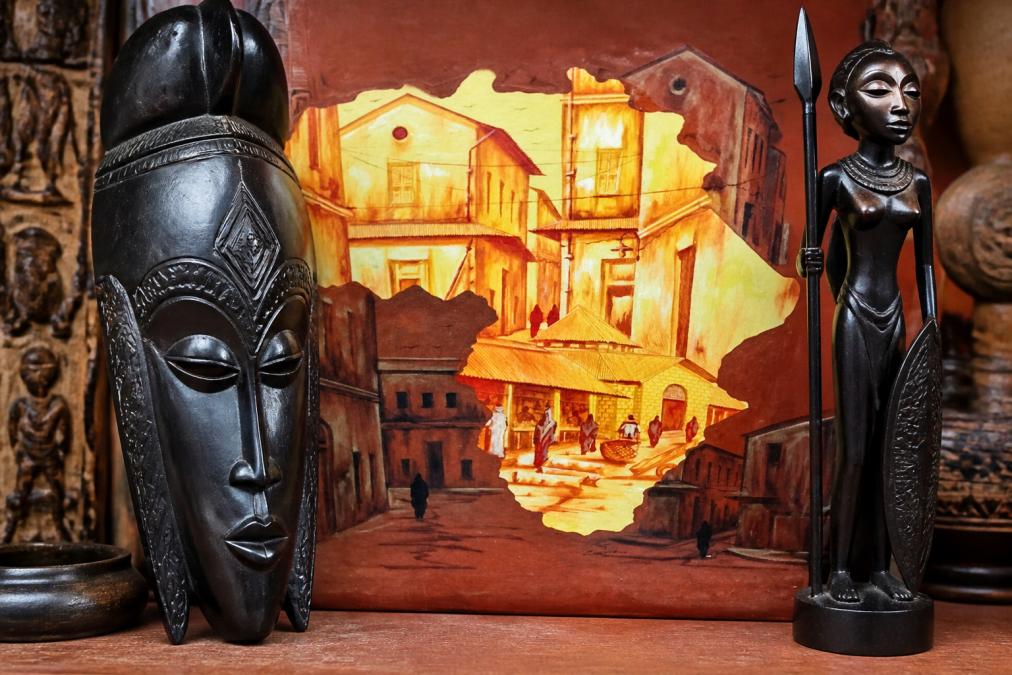
Simcha African Safaris Limited offers authentic Mpingo pieces including the African Mpingo Wood Heritage Mask ($120.99), the African Tribal Maasai Traditional Mask ($130.99), and the African Maasai Man Sculpture ($120.00). Quality varies significantly in local markets; the best pieces come directly from established artisans or reputable dealers who verify wood source and craftsmanship.


2. Tingatinga Paintings and Hand-Painted Art
Tingatinga painting emerged in the 1960s and has become synonymous with Tanzanian contemporary art. Named after founder Edward Saidi Tingatinga, this style features vibrant colors and imaginative scenes of wildlife, landscapes, and cultural moments painted on wooden boards or canvas. Hand-painted Tingatinga pieces are created by individual artists in studios or cooperatives, making each painting genuinely one-of-a-kind.
Simcha African Safaris Limited features hand-painted Tingatinga art including the Kilimanjaro Warrior ($175.00), the Colored Zebra Painting ($160.00), and the African Warrior Maasai Canvas Painting ($175.99). You'll find Tingatinga paintings in galleries and artist studios throughout Stone Town, with prices ranging from $160 to $175 for quality pieces.
3. Tanzanite Gemstone Jewelry
Tanzanite is one of the world's rarest gemstones, found exclusively in Mount Kilimanjaro's foothills (usgs.gov). This stunning blue-violet stone becomes increasingly precious as mining reserves deplete, making tanzanite jewelry a meaningful investment and unique souvenir. The stone's color, ranging from deep blue to violet, is caused by trace amounts of vanadium (peer-reviewed research). When heated to enhance color, tanzanite transforms from its natural brownish hue into brilliant blues and purples that rival sapphire while remaining significantly more affordable.
When shopping for tanzanite jewelry, authenticity matters enormously. Reputable dealers provide certification from organizations like the Gemological Institute of America (GIA), verifying authenticity and quality grade.
Prices vary widely based on stone quality, size, and setting. A modest tanzanite pendant might cost $200-$500, while high-quality rings can exceed $1,000. Always request certification and purchase from established dealers.
4. Maasai Beadwork and Traditional Accessories
Maasai beadwork represents centuries of cultural tradition and artistic skill. Each beaded piece tells a story through color patterns and design. Red beads symbolize bravery and strength, blue represents energy, green signifies health, yellow represents fertility, and white stands for purity. Skilled beadworkers combine these colors into patterns holding cultural meaning while creating visually stunning pieces.
Authentic Maasai beadwork's value lies in time investment and cultural knowledge. A single necklace can take weeks to complete, with each bead strung by hand. Artisans learn their craft from family members, passing down techniques through generations. You'll find Maasai beadwork in markets throughout the country, with prices ranging from $50 for simple bracelets to $200 or more for elaborate necklaces. The best pieces come from artisan cooperatives or directly from Maasai communities, where your purchase supports craftspeople.
5. Traditional Textiles: Kanga, Kitenge, and Kikoy
Traditional Tanzanian textiles, kanga, kitenge, and kikoy, are practical, beautiful, and deeply woven into daily life. Kanga is a rectangular printed cotton fabric measuring about 1.5 by 1 meter, featuring bold geometric patterns and often including a Swahili proverb along the border. Women wear kangas wrapped as skirts, head wraps, or shawls. Kitenge is similar but typically larger and made from thicker cotton, with more elaborate patterns featuring animals, landscapes, or abstract designs. Kikoy is a lightweight, often striped cotton fabric traditionally worn as a wrap or sarong, particularly popular as casual beachwear.
Prices for traditional textiles range from $15 to $80 depending on size, quality, and design. The best pieces come from established textile makers and cooperatives ensuring fair wages for artisans.
6. Local Spices, Coffee, and Specialty Foods
Tanzania's agricultural heritage produces some of the world's finest spices and coffee. Tanzanian Coffee is renowned globally for its balanced flavor profile, bright acidity, and complex notes. High-altitude growing regions around Mount Kilimanjaro produce beans with distinctive characteristics featuring hints of berry, citrus, and spice. Spices grown in Tanzania include cloves, cardamom, cinnamon, nutmeg, and black pepper. The Zanzibar archipelago has been a spice trading hub for centuries. Specialty Foods include honey, coconut products, and prepared spice blends used in traditional Tanzanian cuisine.
Prices are exceptionally reasonable. High-quality coffee beans cost $15-$25 per kilogram, while fresh spices often sell for $5-$15 per container. Purchase from established vendors in markets or cooperatives to ensure quality.
How to Bargain at Tanzanian Markets and Verify Authenticity
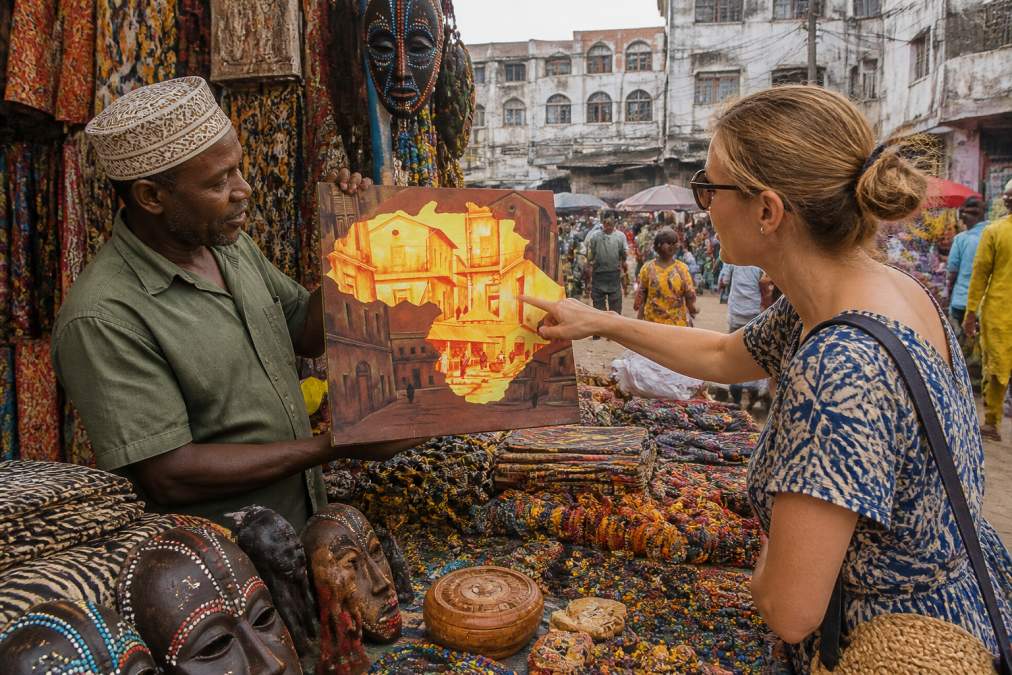
Bargaining is an expected and enjoyable part of shopping in Tanzanian markets, requiring understanding local customs and having a strategy. Approach negotiation with respect, patience, and genuine interest in the seller's craft.
The Bargaining Process
Show genuine interest in items without immediately asking price. Ask sellers about their craft, material sources, and production time. Once connected, ask the asking price. Expect initial quotes 40-60% above the seller's target price. Respond with a counteroffer at roughly 50-60% of the asking price. The seller will counter, and you'll gradually move toward middle ground. Successful bargaining typically results in final prices around 70-80% of original asking prices. Bargain only when genuinely interested in purchasing.
Verifying Authenticity
Mpingo Wood Carvings: Genuine Mpingo is dense, heavy, and dark brown to black. Examine carvings for hand-tool marks rather than machine-like uniformity. Ask about the carver's name and background.
Tingatinga Paintings: Look for hand-painted brushstrokes and color variations. Machine-printed reproductions have perfectly uniform colors. Ask whether the piece was painted by a named artist.
Tanzanite Jewelry: Always request certification from recognized gemological institutes like GIA. Authentic tanzanite has distinctive blue-violet color changing slightly with lighting angle. Ask about stone origin, treatment history, and certification availability.
Maasai Beadwork: Examine beadwork for consistent, even stitching and secure bead attachment. Hand-beaded pieces show slight spacing variations indicating handwork. Ask about the beadworker's community or cooperative.
Traditional Textiles: Genuine kanga, kitenge, and kikoy show natural fabric characteristics, slight color variations, and minor weave irregularities. Machine-printed reproductions have unnaturally perfect uniformity. Feel the fabric's weight and texture, authentic cotton has distinctive hand and drape that synthetics can't replicate.
Ethical Shopping Considerations
Beyond authenticity, consider ethical dimensions. Buying directly from artisans or established cooperatives ensures money supports craftspeople rather than middlemen. Many Maasai beadwork cooperatives and textile artisan groups operate on fair-trade principles, ensuring appropriate artisan compensation. Avoid purchasing items from endangered species, ivory, certain animal skins, or protected woods. This is illegal for export in most countries and contributes to environmental destruction.
Packing and Logistics
Transporting fragile items like Mpingo carvings, paintings, and ceramics requires planning. Wrap delicate pieces individually in clothing, then pack them in luggage centers surrounded by cushioning. For valuable items like tanzanite jewelry, keep them in carry-on luggage. Document purchases with receipts, particularly for high-value items. Consider shipping larger or heavier pieces directly to your home if luggage space is limited.
Bringing home authentic souvenirs from Tanzania means connecting with artisans, traditions, and stories that make the country extraordinary. Whether you choose a hand-carved Mpingo mask, vibrant Tingatinga painting, rare tanzanite jewelry, or colorful traditional textiles, each piece carries Tanzania's spirit and supports the communities creating them. Shopping thoughtfully, bargaining fairly, verifying authenticity, and choosing ethically sourced items, makes your souvenirs meaningful reminders of your journey and genuine contributions to cultural preservation.
At Simcha African Safaris Limited, we believe the best souvenirs tell a story and reflect authentic cultural heritage. Our curated collection of handcrafted African art, from Mpingo wood masks and sculptures to hand-painted Tingatinga art, brings Tanzania's vibrant heritage into your home. Explore our collection and request a quote for a personalized safari experience combining wildlife exploration with authentic cultural discovery. Your next unforgettable adventure awaits.
Frequently Asked Questions
Q: What is worth buying in Tanzania as a souvenir?
A: The best souvenirs to buy in Tanzania reflect authentic cultural heritage and craftsmanship. Mpingo wood carvings, Tingatinga paintings, Maasai beadwork, and tanzanite gemstone jewelry represent genuine artisanal traditions. Local spices, coffee beans, and traditional textiles like Kanga and Kitenge are also worthwhile purchases. Look for items handmade by local artisans rather than mass-produced curios. Authentic souvenirs support traditional craftspeople and carry real cultural significance, making them meaningful keepsakes from your safari experience.
Q: What gem is only found in Tanzania?
A: Tanzanite is the gemstone exclusively mined in Tanzania, specifically in the Merelani Hills near Mount Kilimanjaro. This rare blue-violet gemstone occurs nowhere else on Earth, making tanzanite jewelry a unique and valuable souvenir. When purchasing tanzanite, request certification from a reputable gemologist to verify authenticity. Prices vary based on color intensity, clarity, and carat weight. Buying tanzanite gemstone jewelry directly supports local mining communities and ensures you own a truly exclusive piece of Tanzania.
Q: How do I identify authentic Tanzanian wood carvings?
A: Authentic wood carvings are typically made from Mpingo wood, a rare hardwood found only in African plains, or ebony. Genuine pieces show hand-carved details, natural wood grain variation, and signs of individual artisan craftsmanship. Ask the seller about the wood type and carving origin. Authentic carvings often have slight imperfections that prove they were hand-carved rather than machine-produced. Prices for genuine Mpingo wood masks and sculptures range from $120 to $175. Verify authenticity by checking for consistent wood quality and detailed finishing that reflects true artisanal work.
Q: What are the customs regulations for taking souvenirs out of the country?
A: The U.S. Fish and Wildlife Service regulates wildlife products, including items made from endangered species. Avoid purchasing anything made from elephant ivory, rhinoceros horn, or other protected wildlife. Most traditional textiles, Maasai beadwork, and Mpingo wood carvings are permitted. Tanzanite and other gemstones can be exported with proper documentation. Pack fragile items securely and declare all souvenirs to U.S. Customs upon return. Check current regulations before purchasing any animal-derived products, and keep receipts as proof of legal acquisition for customs clearance.
Q: Are there specific cultural items I should look for in local markets?
A: Seek out items that represent genuine cultural heritage: Maasai beadwork accessories, traditional Kanga and Kitenge textiles, and hand-painted Tingatinga art. Handwoven baskets and leather goods crafted by local artisans are authentic finds. Visit markets in Stone Town and Arusha where you can meet craftspeople directly. Look for fair trade cooperatives that ensure artisans receive fair compensation. Avoid mass-produced tourist curios and instead invest in pieces with cultural significance, such as ceremonial masks or textiles used in traditional celebrations. Supporting ethical shopping practices strengthens cultural preservation.
This article was written using GrandRanker


