

Table of Contents
- What Are Cultural Immersion Experiences?
- Maasai Village Visit Etiquette and Direct Community Engagement
-
7 Authentic Cultural Immersion Experiences
- 1. Maasai Village Homestays ($80-$200+ per person)
- 2. Hadzabe Hunter-Gatherer Experiences ($120+ per person)
- 3. Traditional Cooking and Market Tours ($45-$150 per person)
- 4. Artisan Workshops and Craft Learning ($40-$100 per person)
- 5. Swahili Language and Cultural Classes ($50-$120 per person)
- 6. Walking Safaris with Indigenous Communities ($100-$250 per person)
- 7. Community Volunteer Programs (Free-$50+ per day)
- Tanzania Cultural Tour Packages: Budget vs. Luxury Tiers
- How to Plan a Sustainable Trip to Tanzania
- Bringing Authentic Tribal Art Home
- Conclusion
Last Updated: August 11, 2026
What Are Cultural Immersion Experiences?
Cultural immersion experiences are structured encounters that allow travelers to engage directly with local communities, participate in daily activities, and learn authentic traditions rather than observe them from a distance. Unlike standard tourist activities, these experiences prioritize genuine interaction, community benefit, and cultural exchange over convenience or comfort.
At Simcha African Safaris Limited, we've designed cultural immersion experiences that connect visitors with indigenous communities in ways that respect local customs while generating sustainable income for villages. The key difference: you're not watching from a bus, you're sitting in a home, learning to prepare traditional meals, or helping with daily tasks alongside community members.
These experiences span multiple formats: homestays in Maasai villages, market tours with local guides, artisan workshops, language classes, walking safaris led by indigenous hunters, and volunteer programs. Each shares a common thread: direct human connection and mutual learning.
Maasai Village Visit Etiquette and Direct Community Engagement
Visiting a Maasai village requires understanding the protocols that govern respectful interaction. The Maasai have maintained their pastoral traditions for centuries, and their customs around hospitality, dress, and behavior reflect values of dignity and community respect.
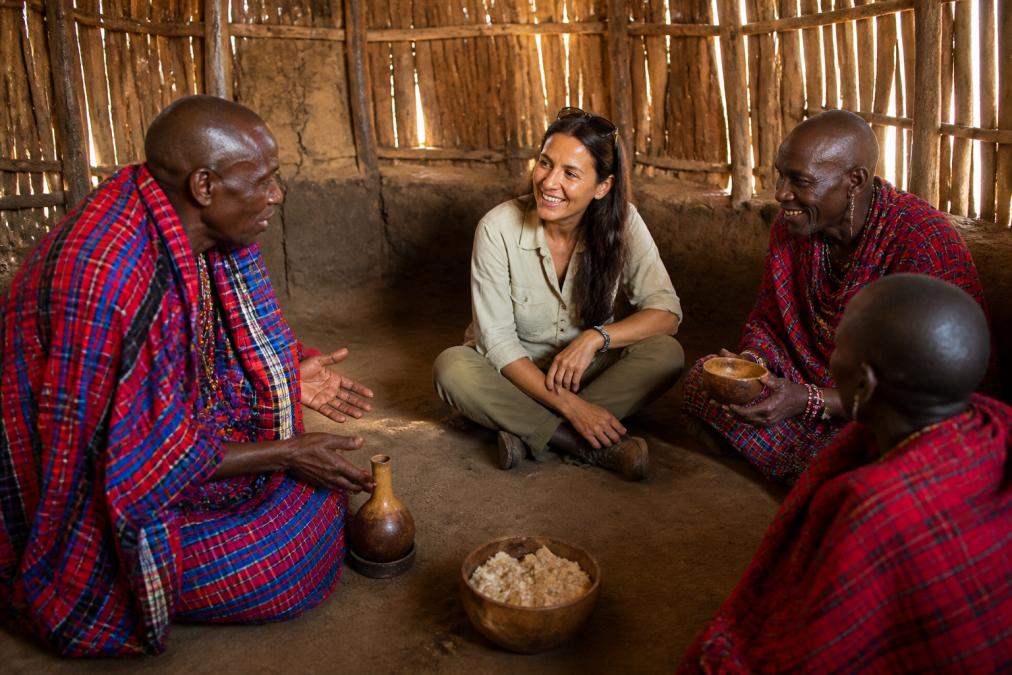
Direct community engagement means arriving with genuine curiosity, not entitlement. Ask permission before entering homes or photographing individuals. Address elders with respect. Participate in activities they invite you into: milking cattle, fetching water, preparing food. This participation demonstrates respect and creates conditions for authentic exchange.
Verify that tour operators contribute meaningfully to the community. Ask how much of your fee goes directly to the community and what specific projects it supports. Many villages use revenue from cultural tourism for education, healthcare, and water infrastructure.
Respectful Photography Guidelines
Always ask before photographing individuals, especially children. Respect refusals without negotiation. Frame your shots to show context and dignity, not poverty or exoticism. Recognize the difference between documentation and exploitation.
What to Bring and Wear
Dress modestly in long pants or skirts and covered shoulders. This signals respect for local customs. Bring small, practical gifts: quality pens, notebooks, or school supplies. Avoid plastic toys or cheap trinkets. Wear sturdy, closed-toe shoes and bring sun protection; the equatorial sun is intense.
7 Authentic Cultural Immersion Experiences
1. Maasai Village Homestays ($80-$200+ per person)
Maasai village homestays offer the deepest cultural immersion available. You sleep in a traditional manyatta (mud-and-stick hut), eat meals prepared by your host family, and participate in daily routines: herding cattle, fetching water, preparing food, tending to the compound.
These experiences typically last 2-3 days and include meals, accommodation, and guided activities. Homestays create conditions for genuine relationship-building. Verify that a significant portion of your fee goes directly to the host family, not just to the tour operator.
2. Hadzabe Hunter-Gatherer Experiences ($120+ per person)
The Hadzabe are one of Africa's last hunter-gatherer societies. Hadzabe experiences typically involve joining hunters on early-morning expeditions, learning to identify plants and animals, and understanding their relationship with the land.
These full-day experiences start before dawn and involve walking through bush terrain. You'll learn tracking skills, plant identification, and hunting techniques that have sustained the Hadzabe for millennia. The experience includes a meal prepared from foraged ingredients and hunted game.
Hadzabe experiences are physically demanding and best suited for travelers with reasonable fitness levels. Ensure your operator has established relationships with specific Hadzabe communities and that profits directly support the group.
3. Traditional Cooking and Market Tours ($45-$150 per person)
Cooking classes paired with local market tours teach you to prepare authentic Tanzanian dishes while understanding food culture and ingredient sourcing. These half-day to full-day experiences begin at a bustling local market where you'll shop with your guide, learning to select produce, negotiate prices, and understand seasonal availability.
You'll then prepare 2-3 dishes, often ugali (cornmeal staple), pilau (spiced rice), and a vegetable or meat dish. Market tours alone cost $45-$75 per person. Combined cooking and market experiences run $100-$150. These are excellent for solo travelers or those with limited time.
4. Artisan Workshops and Craft Learning ($40-$100 per person)
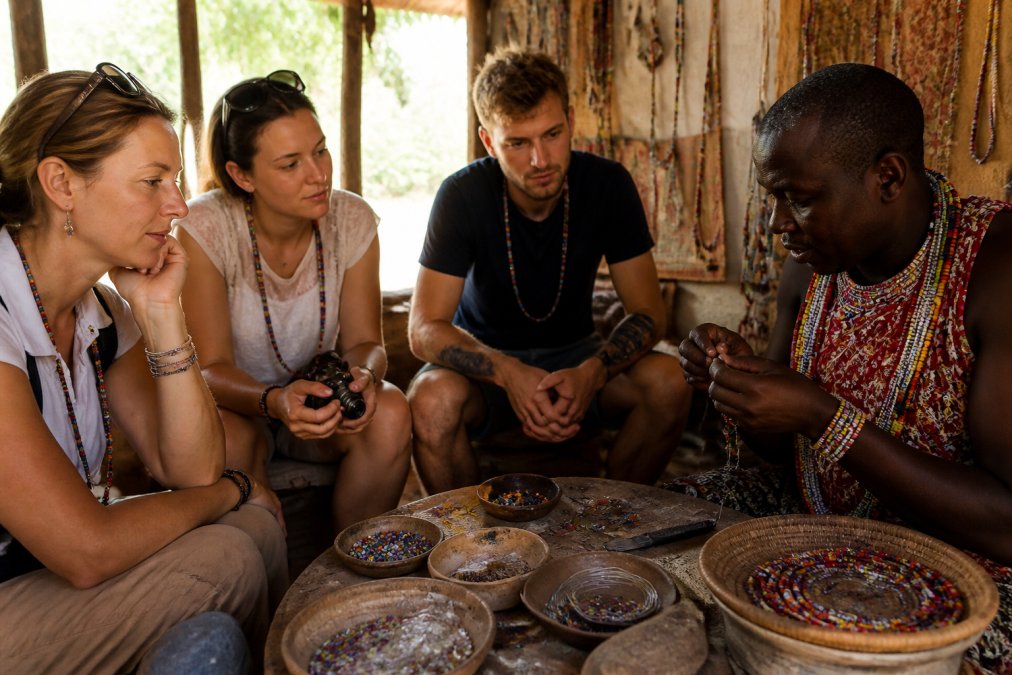
Artisan workshops connect you directly with craftspeople, beadworkers, potters, painters, woodcarvers, who teach their techniques while you create your own piece. These sessions typically last 2-4 hours and culminate in a finished product you take home.
Beadwork workshops teach the geometric patterns and color symbolism of Maasai and other tribal traditions. Pottery classes show hand-building techniques using local clay. Painting workshops introduce Tingatinga art, a distinctive Tanzanian style featuring bold animals and vibrant colors.
When purchasing crafts directly from artisans, you know exactly where your money goes. Simcha African Safaris Limited offers handcrafted pieces like the African Mpingo Wood Heritage Mask and African Maasai Man Sculpture, each created by artisans using traditional methods and materials.

5. Swahili Language and Cultural Classes ($50-$120 per person)
Swahili language classes immerse you in the lingua franca of East Africa. These classes, often paired with cultural context about Swahili history and coastal traditions, typically run 2-5 days with 3-4 hours of instruction daily.
You'll learn conversational phrases, grammar basics, and cultural protocols embedded in the language. Classes often include lessons on Swahili history, the spice trade, and coastal architecture in Stone Town. Language learning deepens your ability to interact with communities beyond English-speaking guides.
6. Walking Safaris with Indigenous Communities ($100-$250 per person)
Walking safaris led by Maasai, Hadzabe, or other indigenous guides combine wildlife viewing with cultural education. Unlike vehicle-based game drives, walking safaris move slowly through the landscape, allowing guides to explain ecological relationships, animal behavior, and traditional uses of plants.
Indigenous guides possess knowledge accumulated over generations. They read animal tracks, identify medicinal plants, and explain how their communities historically coexisted with wildlife. Walking safaris typically last 4-6 hours and cover 8-12 kilometers. Pricing ranges from $100 for half-day walks to $250 for full-day experiences with meals included.
7. Community Volunteer Programs (Free-$50+ per day)
Volunteer programs place you in communities for 1-2 weeks, contributing to education, healthcare, or development projects while living alongside local residents. Volunteer work might involve teaching English classes, assisting with health initiatives, helping with construction projects, or supporting youth programs. Some programs are free but require you to cover living expenses ($20-$50 per day for basic accommodation and meals). Others charge a program fee ($50+ per day) that covers coordination, meals, and accommodation.
Tanzania Cultural Tour Packages: Budget vs. Luxury Tiers
Budget-Friendly Options ($45-$120 per person)
Budget cultural experiences focus on single-day activities: cooking and market tours, artisan workshops, or brief village visits. These typically operate from major towns like Arusha or Dar es Salaam, minimizing transportation costs. You stay in standard hotels and travel by shared minibus.
Budget options work well if you have limited time or funds but want authentic engagement. A $45 cooking class teaches real skills and connects you with a local chef. The tradeoff: limited depth. Single-day experiences don't allow relationship-building or participation in multiple daily activities.
Mid-Range Packages ($150-$400 per person)
Mid-range packages typically include 2-3 day cultural immersions with accommodation in community guesthouses or basic lodges. You might combine a Maasai village homestay with a market tour and artisan workshop, or spend 2 days with a Hadzabe community plus a walking safari.
Mid-range pricing reflects better accommodation, smaller group sizes, and more personalized guides. You have time for genuine relationship-building and participation in multiple activities. Simcha African Safaris Limited structures packages to blend cultural immersion with wildlife experiences, allowing you to encounter both indigenous communities and the Big Five in UNESCO World Heritage sites. Flexible durations ranging from 3 to 7 days accommodate different schedules while maintaining depth.
Luxury and Multi-Day Immersions ($500+ per person)
Luxury packages span 4-7 days and combine cultural immersion with premium accommodation, private guides, and curated experiences. You might stay in luxury eco-lodges between cultural activities, have a dedicated guide throughout, and access exclusive community partnerships.
Pricing reflects accommodation quality, private transportation, exclusive access, and operator overhead. The value proposition shifts at this tier: you're paying for comfort, convenience, and curated experiences designed around your preferences.
How to Plan a Sustainable Trip to Tanzania
Choose Community-Based Tour Operators
Sustainable cultural tourism begins with operator selection. Community-based tour operators are owned by or deeply embedded in the communities they serve, and profits directly support local development.
Ask operators: Who owns the company? Are community members involved in decision-making? What percentage of fees goes directly to communities? What specific projects does tourism revenue support? How are guides hired and compensated?
Research operators through responsible tourism organizations and community feedback. A good sign: the operator's website features community members by name and explains specific projects their fees support.
Verify Ethical Sourcing of Handcrafted Art
When purchasing traditional art and crafts, verify authenticity and ethical sourcing. Mass-produced "handcrafted" items sold in tourist markets often exploit artisans through unfair pricing and misrepresentation.
Purchase directly from artisans when possible. If buying from retailers, ask about sourcing: Can they name the artisan or village? What percentage of the retail price reaches the maker?
Simcha African Safaris Limited curates handcrafted pieces like the Kilimanjaro Warrior African Art Oil Painting and African Elephant Sculpture, each created using traditional methods. Authentic handcrafted items show variation; slight irregularities in beadwork, paint application, or carving indicate human creation rather than factory production.
Timing Your Visit for Maximum Impact
Seasonal timing affects both experience quality and community benefit. During peak tourism season (June-October), communities receive more revenue but face higher visitor volumes. Off-season visits (November-May) mean fewer tourists and more intimate interactions, though some activities may be limited by weather.
Extended stays (3+ days) generate more sustainable benefit than day trips. Multi-day engagement allows relationship-building and demonstrates genuine interest in learning.
Bringing Authentic Tribal Art Home
Authentic tribal art serves as a tangible connection to your cultural immersion experience and provides ongoing support to artisan communities. The key is distinguishing genuine handcrafted pieces from mass-produced imitations.
Authentic pieces from Simcha African Safaris Limited, including the African Tribal Chagga Traditional Mask and Zanzibar in African Oil Canvas Painting, represent specific tribal traditions and artistic techniques. Each piece carries cultural significance and supports the artisans who created it.


When selecting art, consider what resonates with your experience. Document the story behind each piece: the artist's name, the tribe or region, the materials used, the cultural context. This information deepens appreciation and allows you to share authentic cultural narratives.
Planning a cultural immersion experience in Tanzania requires balancing authentic engagement with ethical responsibility. The experiences outlined above, from Maasai village homestays to Hadzabe hunter-gatherer expeditions to artisan workshops, offer genuine connection with indigenous communities when approached with respect and supported by community-based operators.
The difference between tourism and cultural immersion lies in intention and duration. Single-day visits offer introduction; multi-day engagement creates relationship. Your role shifts from observer to participant, and communities benefit not just from your fees but from the relationships and cultural pride that emerge from respectful engagement.
Simcha African Safaris Limited structures immersive experiences that blend wildlife exploration with authentic cultural discovery, offering flexible safari durations ranging from 3 to 7 days. Our curated journeys connect you with indigenous communities while providing access to unique handcrafted African art, allowing you to bring the vibrant heritage of Tanzania into your home. Request a quote to design a cultural immersion experience tailored to your interests and values.
Frequently Asked Questions
What are the best cultural immersion experiences to do in Tanzania?
The most authentic cultural immersion experiences include Maasai village homestays where you live with families in traditional bomas, hunting expeditions with the Hadzabe hunter-gatherers, traditional cooking classes in local markets, artisan workshops learning beadwork and pottery, Swahili language lessons, walking safaris with indigenous guides, and community volunteer programs. Prices range from $45 for cooking classes to $250+ for multi-day experiences. Each offers direct engagement with local communities and authentic heritage preservation.
Is it respectful to visit Maasai villages, and what's the proper etiquette?
Yes, visiting Maasai villages is respectful when done through community-based tour operators and with proper etiquette. Always ask permission before photographing people, dress modestly, remove shoes when entering homes, greet elders first, and participate genuinely in daily activities. Ensure a significant portion of your tour fee directly benefits the community for education and healthcare. Avoid treating villages as outdoor museums, engage as a guest learning about living traditions, not viewing practices as historical artifacts.
How can I support local communities while experiencing cultural immersion in Tanzania?
Support local communities by booking tours through operators with transparent pricing that explicitly directs fees to villages for education, water, and health initiatives. Purchase handcrafted art directly from artisans rather than mass-produced souvenirs. Choose homestays over resort-based cultural activities. Learn basic Swahili phrases to show respect. Volunteer with organizations like Jithubutu Cultural Center. Avoid activities that stage or artificially recreate traditions. Ask guides about specific community projects your visit supports.
What should I wear for cultural tours in Tanzania?
Wear modest, respectful clothing: long pants or skirts that cover knees, shirts with sleeves, and closed-toe shoes for village visits. Avoid bright colors, revealing clothing, and items that might offend religious sensibilities. For Maasai villages specifically, remove shoes before entering homes. Pack a lightweight scarf for sun protection and to cover shoulders when needed. Bring layers for early morning and evening temperatures. Neutral earth tones help you blend respectfully while photographing wildlife during walking safaris.
When is the best time of year for cultural tourism in Tanzania?
The best times for cultural immersion are June through October (dry season) and January through February when roads are passable and communities are most accessible. These periods align with wildlife migration, allowing you to combine cultural experiences with safari. Avoid April and May (heavy rains) when village access becomes difficult. December through March works for some regions. Consider visiting during local celebrations, ask tour operators about timing for Maasai ceremonies, traditional festivals, or seasonal community events that enrich your immersion experience.
This article was written using GrandRanker


