

Table of Contents
- Solo Female Travel Safety in Tanzania: What You Need to Know
- Is Tanzania Safe for Solo Female Travelers?
- Cultural Etiquette for Women in Tanzania
- Transportation Safety in Tanzania
- Tanzania Packing List for Solo Female Travelers
- Accommodation Security and Where to Stay
- Common Scams and Street Harassment Prevention
- Safari Tours and Guided Adventure Safety
Last Updated: August 4, 2026
Solo Female Travel Safety in Tanzania: What You Need to Know
Solo female travel in Tanzania requires careful planning, cultural awareness, and practical precautions. Thousands of women explore this country safely every year. At Simcha African Safaris Limited, we've guided countless female travelers through Tanzania's diverse landscapes, and we understand the specific concerns that come with traveling alone as a woman. This guide combines official safety guidance with real-world insights to help you navigate Tanzania confidently.
Is Tanzania Safe for Solo Female Travelers?
Tanzania is reasonably safe for solo female travelers compared to many global destinations, but safety varies significantly by region and your behavior. The country welcomes international visitors, tourism infrastructure exists in major areas, and violent crime against tourists is uncommon. However, petty theft, street harassment, and scams do occur, particularly in urban centers and tourist hotspots.
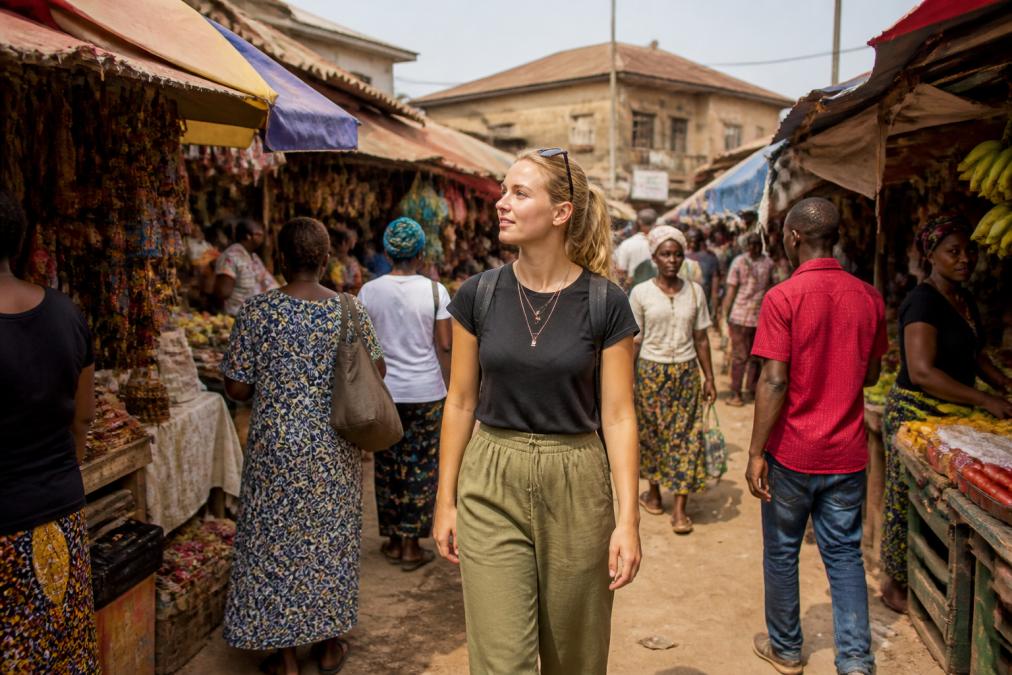
According to the U.S. State Department's Tanzania travel advisory, most regions are considered safe for tourism when travelers exercise normal precautions. Dar es Salaam and Zanzibar see the highest concentration of international visitors and have established tourism infrastructure, though they also attract opportunistic thieves. Rural areas and national parks are typically safer from street crime but require different safety considerations around wildlife and limited emergency services.
Your risk profile depends on where you go, how you move, what you carry, and the decisions you make.
Safety in Zanzibar vs. Mainland Tanzania
Zanzibar presents a different safety profile than mainland Tanzania. The islands are more developed for tourism with established accommodation and transport networks, but also more concentrated tourist activity and associated scams. Mainland Tanzania, outside major cities, tends to be safer from street crime but presents different challenges like fewer police and more distant medical facilities. However, rural communities are often more welcoming to visitors.
Regional Safety Variations Across Tanzania
Northern regions around Mount Kilimanjaro and Arusha see substantial tourist traffic and have well-developed infrastructure. The Serengeti and Ngorongoro areas are controlled-access environments with regulated tour operators. Dar es Salaam, as the largest city, has the most crime activity, including armed robbery in certain neighborhoods after dark. Moshi and Arusha, gateway towns for Kilimanjaro climbs, are accustomed to solo travelers and have good safety records.
Cultural Etiquette for Women in Tanzania
Understanding and respecting Tanzanian cultural norms is both a practical safety measure and a way to have more authentic, positive interactions. Tanzania is predominantly Muslim in the north and coastal regions, with Christian communities elsewhere. Solo female travelers who dress conservatively and observe local customs experience far fewer incidents of harassment or scams.
Dress Code and Modest Clothing Standards
Modest clothing is essential throughout Tanzania. This means covering your shoulders, chest, and knees in public spaces. Loose-fitting clothes that don't emphasize your body shape are significantly better received than tight clothing. In Muslim-majority areas, women wearing headscarves are common, though foreign women are not expected to wear them.
Pack lightweight, loose trousers or long skirts, t-shirts that cover your shoulders, and a light scarf you can wrap around your shoulders or use as a headcover. Avoid transparent fabrics, low necklines, and short skirts. Conservative dressing is one of the highest-ROI safety investments you can make.
Local Customs and Swahili Culture Respect
Tanzanian society values greetings. Learn basic Swahili phrases: "Habari?" (How are you?), "Asante" (Thank you), and "Pole" (Slowly/gently). Using these phrases changes how people interact with you. Eat with your right hand, as the left hand has different cultural associations. Always ask before photographing people, and respect if someone declines.
Transportation Safety in Tanzania
How you move through Tanzania shapes your safety profile more than almost any other factor. Public transportation is inexpensive but unreliable and high-risk for theft. Private transportation through reputable operators or hired drivers is significantly safer.
Safe Taxi Services and Public Transport Options
In Dar es Salaam and other major cities, use ride-hailing apps like Uber where available, or call taxis through your hotel rather than hailing them on the street. The safest transportation option is hiring a private driver through your accommodation or a reputable tour operator.
Daladalas (shared minibuses) are high-theft environments where solo female travelers stand out. Many solo female travelers skip them entirely and use private drivers or hotels' transport arrangements instead.
Night Travel and After-Dark Movement
Do not travel alone after dark in Tanzania. Avoid walking alone at night in any city, including tourist areas. After sunset, use taxis or arranged transport for any movement. If you're out in the evening, arrange transport before you leave your accommodation and have the cost ready. Travel in groups when possible, and let someone know where you're going and when you expect to return.
Tanzania Packing List for Solo Female Travelers
What you carry directly impacts your safety and security. The goal is carrying what you need without advertising that you have anything worth stealing.
Safety Gear and Emergency Essentials
Pack a personal safety alarm, a small device that emits a loud noise when activated. Carry a basic first aid kit, particularly pain relievers, antihistamines, and treatments for traveler's diarrhea. Bring any prescription medications in original containers with documentation. Malaria prophylaxis is recommended for most of Tanzania; consult a travel medicine clinic before departure.
Pack copies of important documents (passport, visa, insurance) separately from originals. Store digital copies in cloud storage accessible from anywhere. Keep a list of emergency contacts, including your embassy, your accommodation, and trusted contacts at home. Bring a headlamp or small flashlight and a portable phone charger.
Digital Connectivity and Mobile Safety
Get a local SIM card immediately upon arrival. Tanzanian networks (Vodacom, Airtel, Tigo) are reliable in most areas. A local number allows you to call taxis, contact accommodation, and reach emergency services.
Use Google Maps offline by downloading maps of areas you'll visit. This prevents you from displaying your phone while trying to navigate. Enable location sharing with trusted contacts back home using apps like Google Maps. Avoid using public WiFi for sensitive transactions; use your phone's data connection instead.
Accommodation Security and Where to Stay
Your accommodation is your base camp. Choosing it carefully sets the tone for your entire trip. Secure, well-managed accommodation significantly reduces your vulnerability to theft, harassment, and other incidents.
Choosing Secure Hotels and Guesthouses
Look for accommodation with these features: secure entry (locked gate or door), staff present 24 hours, rooms with functioning locks, and lighting in common areas. Read recent reviews specifically mentioning solo female travelers' experiences. Mid-range hotels (roughly $30-80 per night) typically offer better security than budget options without the premium pricing of upscale resorts.
Avoid isolated guesthouses in unfamiliar neighborhoods, particularly in cities. A guesthouse in a busy area with foot traffic and other businesses nearby is inherently safer than one in a quiet residential area.
Tourist Hub Areas vs. Off-the-Beaten-Path Safety
Tourist hub areas like Arusha town center, Moshi's main street, and Zanzibar's Stone Town have more police presence and established infrastructure, but also more organized theft targeting tourists. Off-the-beaten-path areas offer more authentic experiences and often have less crime, but fewer emergency services.
The safest approach combines both: stay in a secure accommodation in a tourist hub or established town, then take organized day trips or tours to more remote areas. Simcha African Safaris Limited specializes in creating itineraries that balance safety with authentic experience. Their guided tours to national parks and cultural sites eliminate the vulnerability of navigating remote areas alone while providing immersive experiences.
Common Scams and Street Harassment Prevention
Understanding common scams and harassment tactics helps you recognize and avoid them. Most scams target tourists specifically, exploiting unfamiliarity with local systems and prices.
Beach Hustlers and Vendor Pressure Tactics
Beach areas, particularly in Zanzibar and coastal towns, attract vendors and hustlers who use high-pressure sales tactics. They approach with friendly conversation, offer "free" services or tours, then demand payment. The strategy is simple: don't engage. Polite refusal doesn't work. Instead, ignore initial approaches entirely. Don't make eye contact, don't respond to greetings, don't accept "gifts" or offers. Walk with purpose and confidence.
If a vendor becomes aggressive, move toward other people or official areas. Tourist police patrol main beaches, and moving toward them stops most harassment.
Pickpocketing and Valuables Protection
Pickpockets operate in crowded markets, bus stations, and tourist areas. They work in teams, one person distracts you while others access your pockets or bag. Markets in Dar es Salaam and Zanzibar's Stone Town are particularly common locations.
Protect yourself by carrying valuables in a money belt worn under your clothing, not in pockets or visible bags. Keep your phone and passport secure. In crowded places, hold your bag in front of you, not on your back. Use a small crossbody bag for daily items rather than a large backpack. Keep your main valuables in your accommodation's safe.
Safari Tours and Guided Adventure Safety
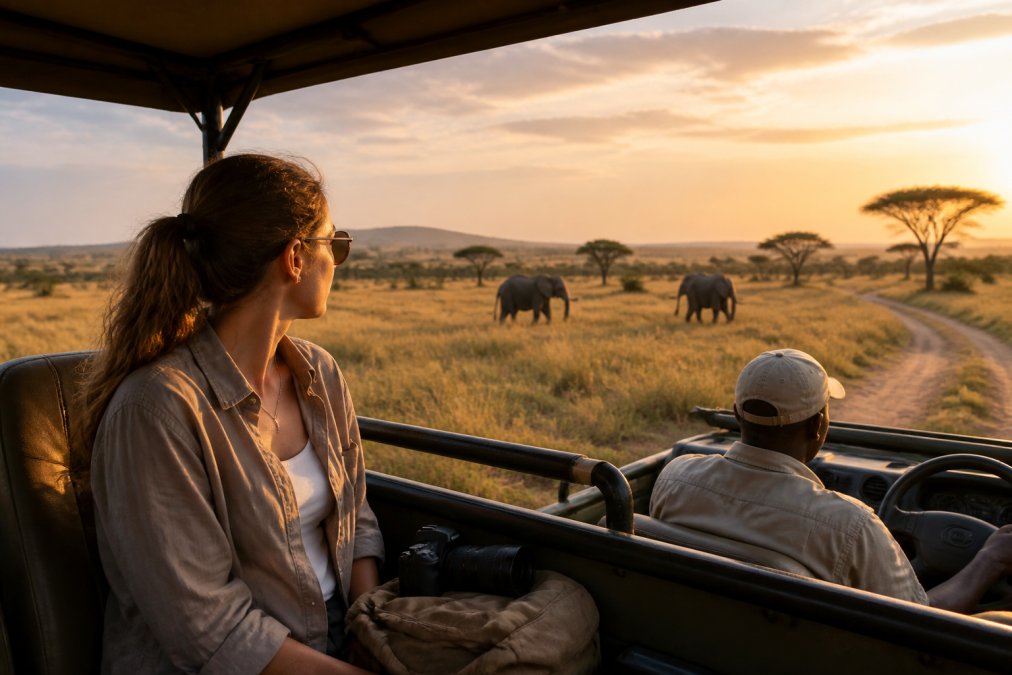
Tanzania's national parks and wildlife reserves are world-class destinations, but they require different safety considerations than urban areas. Wildlife safety, guide reliability, and vehicle maintenance all impact your experience and security.
Selecting Reputable Tour Operators
Your choice of tour operator determines the quality and safety of your safari experience. Reputable operators maintain vehicles properly, employ experienced guides trained in wildlife safety, and follow national park regulations. Research operators thoroughly before booking. Check reviews on TripAdvisor, read recent traveler accounts, and ask for references. Look for operators with established businesses, consistent online presence, and clear communication about what's included.
Ask specific questions: How long have they operated? What vehicles do they use and how often are they serviced? What's the guide-to-tourist ratio? What happens if wildlife viewing is poor or weather prevents activities? How do they handle medical emergencies?
Simcha African Safaris Limited offers curated safari experiences with experienced guides, well-maintained vehicles, and flexible itineraries ranging from 3 to 7 days.
Group Tours vs. Independent Travel Considerations
Group tours offer safety advantages: you're never alone, guides manage logistics, and emergencies are handled collectively. Independent travel, renting a vehicle and driving yourself, carries significant risks including poorly maintained roads, getting lost, and dangerous wildlife encounters without trained guides.
The practical recommendation: book organized tours through established operators rather than attempting independent safari driving. For most solo female travelers, the safety and experience benefits justify the cost. If you want independence within a safer framework, book multi-day tours with smaller groups (4-6 people) rather than large groups (15+).
Solo female travel safety in Tanzania is entirely achievable when you combine practical precautions with cultural awareness and smart decision-making. The thousands of women who travel solo through Tanzania every year do so successfully by understanding regional variations, respecting local customs, using reliable transportation, and booking reputable tours for complex activities like safaris.
The key is not avoiding Tanzania, it's moving through it thoughtfully. Choose secure accommodation, dress modestly, use private transportation after dark, hire guides for remote areas, and stay aware of common scams.
Simcha African Safaris Limited specializes in creating safe, immersive Tanzania experiences for solo female travelers. Their curated itineraries combine wildlife exploration with cultural discovery, experienced guides handle logistics and safety protocols, and flexible packages ranging from 3 to 7 days accommodate your schedule. Request a quote today and begin planning the transformative journey you've imagined.
| Safety Priority | Action | Impact |
|---|---|---|
| Accommodation | Choose secure, mid-range hotels with 24-hour staff | Eliminates theft and provides emergency support |
| Transportation | Use taxis/drivers after dark, avoid night travel | Prevents robbery and harassment |
| Dress code | Wear modest, loose clothing covering shoulders/knees | Reduces unwanted attention and harassment |
| Tours | Book through reputable operators with reviews | Ensures guide training and vehicle maintenance |
| Valuables | Carry money belt, keep phone/passport secure | Prevents pickpocketing and theft |
| Communication | Get local SIM, share location with trusted contacts | Enables emergency contact and peace of mind |
| Awareness | Learn common scams, avoid street hustlers | Prevents financial loss and confrontation |
| Cultural respect | Learn Swahili phrases, ask before photographing | Builds positive relationships and safety |
Frequently Asked Questions
Is Tanzania safe for solo female travelers?
Tanzania is generally safe for solo female travelers who take standard safety precautions. The country welcomes tourists, and many women travel independently or join group tours successfully. Safety varies by region: coastal areas like Zanzibar and major tourist hubs have good infrastructure and security, while remote areas require more planning. Working with reputable tour operators and staying in secure accommodations significantly reduces risk. Your situational awareness, cultural respect, and preparation matter more than the destination itself.
What cultural etiquette for women in Tanzania should I follow?
Respect local customs by dressing modestly, especially outside tourist areas and when visiting villages. Wear loose clothing that covers shoulders, knees, and midriff. In conservative regions, headscarves are appreciated when entering religious spaces. Greet people respectfully and ask permission before photographing locals. Show respect for Swahili culture by learning basic Swahili phrases. Avoid public displays of affection, which are considered inappropriate. When invited to homes, bring small gifts. Understanding and following these practices builds trust with locals and enhances your safety.
What transportation safety in Tanzania should I prioritize?
Use reputable taxi services or ride-hailing apps in cities rather than hailing random taxis. Avoid traveling alone at night; arrange transport in advance or travel with companions. Inter-city travel is safest via established bus companies or private transfers. Share your itinerary with trusted contacts. Keep valuables secure and be aware of your surroundings at transport hubs. In Dar es Salaam and Zanzibar Town, stick to main roads during daylight. Always agree on taxi fares beforehand or use metered taxis. For safari tours, choose operators with strong safety records and proper vehicle maintenance.
What should I include in a Tanzania packing list for solo female travelers?
Pack modest clothing, a personal safety alarm, copies of important documents, and a first-aid kit. Include a reliable phone with local SIM card capability for mobile connectivity and emergency contact access. Bring travel insurance documentation and vaccination records. Pack a headlamp, door alarm, and portable charger. Include sunscreen, insect repellent, and any prescription medications. Carry both cash and cards, stored separately. A lightweight daypack for valuables is helpful. Avoid flashy jewelry or expensive electronics that attract attention. Consider a doorstop alarm for accommodation security, especially in budget lodges.
How do I avoid common scams and street harassment in Tanzania?
Be aware of beach hustlers offering unofficial tours or services, particularly in Zanzibar and coastal areas. Decline politely but firmly. Avoid displaying expensive cameras, phones, or jewelry. Keep bags secured and watch for pickpocketing in crowded markets and transport stations. Don't accept drinks or food from strangers. Be cautious of overly friendly strangers offering unsolicited help or tours. Use official tour operators for activities rather than street vendors. Trust your instincts about people and situations. If harassed, move toward populated areas or seek help from police or hotel staff. Most scams target inattentive tourists, so staying alert prevents most issues.
Should I book group tours or travel independently in Tanzania?
Both options work for solo female travelers, depending on your comfort level and interests. Group tours with reputable operators provide security, social connection, and local expertise, making them ideal for first-time visitors or those concerned about safety. Independent travel offers flexibility and deeper cultural immersion but requires more planning and situational awareness. For safaris, group tours are standard and recommended. For city exploration, independent travel works well in tourist areas. Many solo travelers combine both: joining organized safaris while exploring towns independently. Choose operators with strong safety records, positive reviews, and clear emergency protocols.
This article was written using GrandRanker


