

Table of Contents
- Understanding Altitude Sickness and Why It Occurs on Kilimanjaro
- Kilimanjaro Altitude Sickness Symptoms: What to Watch For
- Choose a Longer Route: The Foundation of Prevention
- How Long to Acclimatize on Kilimanjaro: Timing and Strategy
- Hydration and Nutrition: Fueling Your Ascent Safely
- Diamox for Kilimanjaro Altitude Sickness: Medication Guidance
- What to Do If You Get Altitude Sickness on Kilimanjaro
- Pre-Climb Preparation: Building Your Foundation
- Frequently Asked Questions
Last Updated: October 10, 2026
Understanding Altitude Sickness and Why It Occurs on Kilimanjaro
Understanding how to prevent altitude sickness on Kilimanjaro starts with knowing it happens when your body climbs too fast. At high elevations, the air contains less oxygen. Your body needs time to adjust. When you ascend rapidly, your blood oxygen drops faster than your body can compensate.
Kilimanjaro rises to 19,341 feet, a gain of over 13,000 feet from typical starting elevations in just a few days on standard routes. Your body must produce more red blood cells to carry oxygen, a process that takes time.
The mountain's altitude creates real danger. Acute mountain sickness (AMS) is common, while severe forms like high altitude cerebral edema (HACE) and high altitude pulmonary edema (HAPE) can be life-threatening.
Kilimanjaro Altitude Sickness Symptoms: What to Watch For
Early warning signs of altitude sickness on Kilimanjaro include headache (most common, appearing within hours), nausea, dizziness, and fatigue even after rest.
Other symptoms include:
- Shortness of breath, even at rest
- Loss of appetite
- Difficulty sleeping
- General weakness or fatigue
- Mild confusion or difficulty concentrating
These symptoms signal that altitude is affecting your system. Most climbers experience mild symptoms, normal and not immediately dangerous.
Acute Mountain Sickness (AMS) vs. Severe Altitude Illness
Acute mountain sickness (AMS) is the mild-to-moderate form, headache, nausea, and fatigue that allow you to walk and function. It's manageable with rest, hydration, and time.
Severe altitude illness is different. It comes in two dangerous forms:
High Altitude Cerebral Edema (HACE) swells the brain, causing severe headache unresponsive to pain relief, confusion, and loss of coordination, a medical emergency. High Altitude Pulmonary Edema (HAPE) fills the lungs with fluid, causing extreme shortness of breath at rest, chest tightness, and cough with pink or frothy fluid, also a medical emergency.
The key difference: AMS is uncomfortable; HACE and HAPE are life-threatening and require immediate descent.
Choose a Longer Route: The Foundation of Prevention
The single best way to prevent altitude sickness on Kilimanjaro is choosing a longer route. Most climbers take 5-6 days, which is too fast for many bodies. Seven-day routes and longer allow gradual acclimatization, stabilizing blood oxygen and including dedicated acclimatization days.
Route Comparison: Acclimatization Profile and Sleeping Altitude Gains
The difference between routes lies in daily altitude gain and sleeping elevation, not just rest days.
Lemosho Route (7-8 days): Starts lower (7,500 feet) with gentler daily gains, allowing better red blood cell production and breathing adaptation. Failure rates: 25-35%.
Northern Circuit Route (9 days): The longest standard route with daily gains rarely exceeding 2,000 feet and a full acclimatization day at 14,100 feet.
Rongai Route (6-7 days): Approaches from the north with a natural "climb high, sleep low" pattern. The 7-day version outperforms the 6-day option.
The key metric is sleeping-altitude gain per day, routes keeping daily gains under 1,500 feet (Lemosho and Northern Circuit) optimize acclimatization.
Why Route Duration Matters More Than Fitness
Route choice determines acclimatization opportunity more than fitness. A fit climber on a 5-day route faces steeper odds than an average climber on a 9-day route. When booking, ask your outfitter for exact sleeping altitudes and compare daily gains, a longer route gives your body the days it needs to adapt safely.
How Long to Acclimatize on Kilimanjaro: Timing and Strategy
Acclimatization on Kilimanjaro requires at least 6-8 days. Days 1-2 feel fine; Days 3-4 at mid-altitude often bring symptoms; Days 5-8 test and complete your acclimatization.
Each night at a specific altitude, your body makes chemical changes: breathing rate increases, red blood cell production accelerates, blood pH shifts, and heart rate stabilizes. These changes take 24-48 hours per altitude level, which is why climbing high and sleeping low works.
The Climb High, Sleep Low Principle
Climb high, sleep low means ascending during the day, then descending 500-1,000 feet to sleep. This strategy works because sleep is when your body adapts most effectively. Better oxygen intake during recovery allows your body to wake more acclimatized. Kilimanjaro's route design naturally incorporates this method.
Hydration and Nutrition: Fueling Your Ascent Safely
Dehydration worsens altitude sickness. Drink 3-4 liters of water daily, consistently throughout the day, thirst is a late warning sign at altitude. Electrolyte drinks help; salt and minerals improve hydration absorption.
Eat regular meals despite suppressed appetite; carbohydrates are easiest to digest. Avoid alcohol and drinking only when thirsty. Proper nutrition and hydration reduce altitude sickness severity and give your body resources to acclimatize.
Diamox for Kilimanjaro Altitude Sickness: Medication Guidance
Diamox (acetazolamide) is a medication that can help prevent or reduce altitude sickness on Kilimanjaro. It works by changing how your body processes oxygen and carbon dioxide. It makes your blood slightly more acidic, which triggers faster breathing. More breathing means more oxygen intake. However, Diamox is a tool, not a cure. It works best when combined with proper acclimatization, not as a substitute for it.
How Diamox Works and Its Limitations
Diamox is a carbonic anhydrase inhibitor. It accelerates acclimatization by roughly 1-2 days, meaning a climber on Diamox may acclimatize as if they've been at altitude one or two days longer than they actually have. This can reduce the severity of acute mountain sickness (AMS) symptoms.
However, Diamox does not prevent altitude sickness entirely. Studies show it reduces AMS incidence by roughly 50% in climbers ascending rapidly. On a slower, well-designed itinerary with proper acclimatization days, the benefit is smaller. Diamox is most useful on fast climbs (5-6 days) where acclimatization time is limited.
Critical limitation: Diamox masks mild symptoms while your body acclimatizes. This can create a false sense of safety. A climber on Diamox who feels fine may still be at risk if they ascend too fast.
Dosing, Timing, and Side Effects
Common dosing is 125-250 mg twice daily. Most climbers start 24 hours before ascending (the day before the climb begins). Some start it during the climb itself, though starting before departure is more effective.
Side effects are real and often uncomfortable:
- Tingling in fingers, toes, lips, and around the mouth (paresthesia)
- Altered taste, especially for carbonated drinks
- Mild nausea
- Increased urination (sometimes significantly)
- Mild dizziness or lightheadedness
These side effects usually appear within hours of the first dose and fade after 24-48 hours as your body adjusts. They are rarely severe enough to stop the medication, but they add to the discomfort of climbing.
Who Should and Should Not Take Diamox
Consult your doctor before taking Diamox. It is not appropriate for everyone.
Do not take Diamox if you:
- Have a sulfa allergy (acetazolamide is a sulfonamide)
- Are pregnant or breastfeeding
- Have severe kidney disease or liver disease
- Have a history of Stevens-Johnson syndrome
- Are taking certain other medications (discuss with your doctor)
Use caution if you:
- Have diabetes (Diamox can affect blood sugar control)
- Have a history of kidney stones
- Have glaucoma or other eye conditions
- Are taking loop diuretics
Consider Diamox if you:
- Are climbing a fast route (5-6 days) where acclimatization time is limited
- Have a personal history of altitude sickness
- Are over age 50 (older climbers are at higher AMS risk)
- Have limited time to acclimatize before the climb
The Medication-Acclimatization Trade-off
Diamox is sometimes seen as a shortcut to acclimatization. It is not. Taking medication while climbing too fast is like putting a bandage on a broken bone. The climb speed still matters most.
A climber on a 5-day route with Diamox has a better chance than a climber on a 5-day route without it. But a climber on a 9-day route without Diamox has a better chance than either. Route choice and acclimatization time remain the foundation. Medication is a supplement, not a replacement.
If you choose to take Diamox, do so in combination with a longer route, proper hydration, and careful symptom monitoring. Do not use it as permission to climb faster or skip acclimatization days.
What to Do If You Get Altitude Sickness on Kilimanjaro
If symptoms appear, act immediately. Don't wait. Don't hope they improve overnight. Early action prevents progression to severe illness.
First, stop ascending. Rest at your current altitude for a full day. Drink water constantly. Eat light meals. Take pain relief for headache if needed.
Monitor your symptoms hourly. Are they improving? Stable? Getting worse?
If symptoms improve after rest, you can continue climbing slowly the next day. If symptoms worsen or don't improve, descend. Don't negotiate with the mountain.
When to Descend: Clear Thresholds for Safety
Descend immediately if you experience any of these warning signs. Don't wait for them to improve:
- Severe headache that doesn't respond to pain relief
- Confusion or difficulty thinking clearly
- Loss of coordination (can't walk in a straight line)
- Shortness of breath at rest
- Cough with pink or frothy fluid
- Inability to eat or drink
These are signs of HACE or HAPE. These are emergencies. Descent is the only treatment. Descent works fast. Symptoms often improve within hours of losing elevation.
A descent of 1,000-2,000 feet can make a dramatic difference. Symptoms that seemed serious at 15,000 feet often fade at 13,000 feet. Your body gets more oxygen. Your brain clears. Your breathing eases.
Don't summit if you're sick. The summit isn't worth your life. Thousands of climbers summit Kilimanjaro. Hundreds don't. The ones who descend when necessary are the smart ones. They live to climb again.
Pre-Climb Preparation: Building Your Foundation
Physical fitness matters. It doesn't guarantee success at altitude. But it helps. Start training 4-6 weeks before your climb.
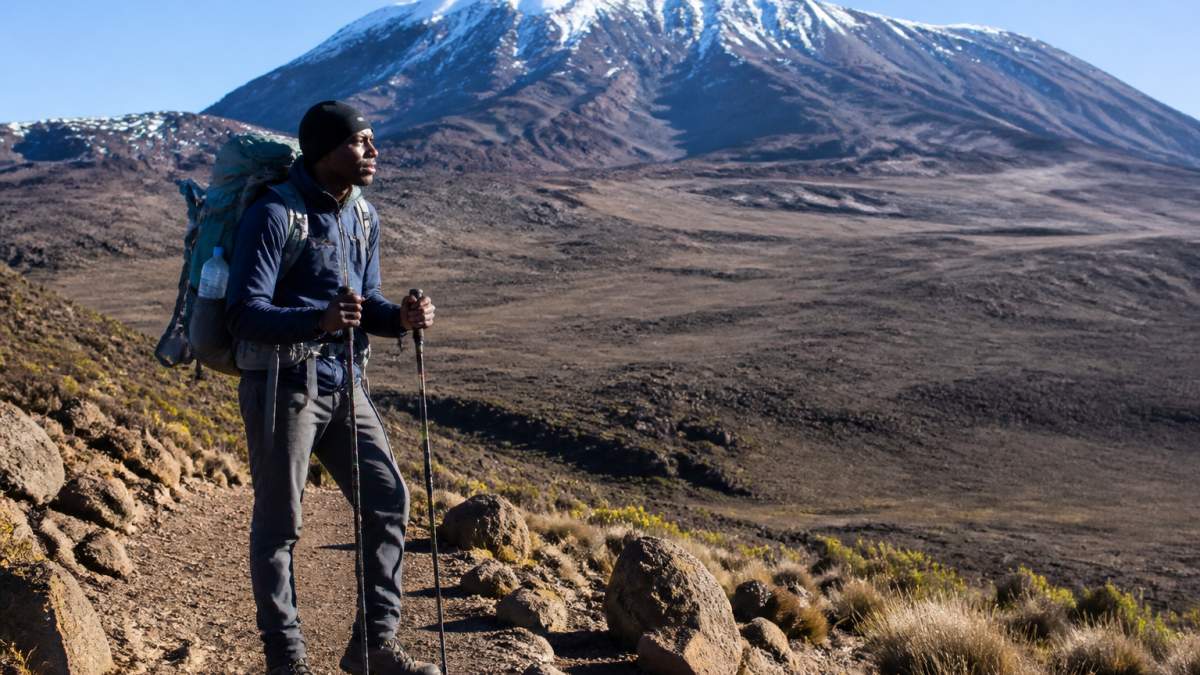
Build cardiovascular endurance through:
- Running or jogging 3-4 times weekly
- Hiking with a weighted pack on trails
- Stair climbing with added weight
- Cycling at moderate intensity
Strength training helps too. Focus on legs, core, and back. These muscles carry you up the mountain.
Visit your doctor 4-6 weeks before climbing. Get a physical exam. Discuss your altitude plans. Ask about Diamox.
Consider pre-acclimatization if possible. Spend time at moderate elevation before your climb. Even a week at 5,000-7,000 feet helps.
Mental preparation is often overlooked. Kilimanjaro is mentally challenging. Prepare yourself for discomfort. Expect headache and fatigue.
When you climb with Simcha African Safaris Limited, our guides manage every detail. We choose longer routes.
Climbing Kilimanjaro tests your body and mind. Altitude sickness is the biggest challenge most climbers face. But it's manageable. Respect the mountain.
Frequently Asked Questions
What are the first signs of altitude sickness on Kilimanjaro?
Early signs of acute mountain sickness include headache, nausea, fatigue, and dizziness, typically appearing within 6-12 hours of reaching higher elevations. These symptoms do not mean you must descend immediately, most climbers experience mild AMS. However, if symptoms worsen or include severe shortness of breath, confusion, or difficulty walking a straight line, descend at least 1,000 feet immediately and seek medical evaluation. Monitoring symptoms closely allows you to distinguish between manageable AMS and more serious altitude illness requiring urgent descent.
How many days should you take to climb Kilimanjaro to acclimatize properly?
Most climbers need 6-7 days minimum to acclimatize safely on Kilimanjaro. Routes like the Machame and Lemosho take 7-8 days and provide superior acclimatization compared to faster 5-day routes. The extra days allow your body to adapt to altitude gain, reduce AMS risk, and improve summit success rates. Climbing at the pole pole (slow) pace with designated acclimatization days, where you ascend but sleep at the same or lower altitude, gives your physiology time to adjust before pushing higher.
Does drinking more water prevent altitude sickness on Kilimanjaro?
Proper hydration is essential for altitude sickness prevention, but more water alone does not eliminate risk. Aim for 3-4 liters daily at lower elevations, increasing to 4-5 liters at higher altitudes, since dehydration worsens symptoms and impairs acclimatization. However, overhydration, drinking excessive amounts beyond thirst, can cause hyponatremia (low sodium) and actually increase altitude sickness risk. Drink consistently throughout the day, monitor urine color as a hydration indicator, and balance water intake with adequate electrolytes and nutrition to support your body's adaptation to high altitude.
Can medication like Diamox prevent altitude sickness on Kilimanjaro?
Acetazolamide (Diamox) can reduce AMS risk by 50-75% when taken before symptoms appear, typically starting 24 hours before ascent at 125-250 mg twice daily. However, it is not a substitute for acclimatization and slower climbing. Discuss Diamox with your doctor before your climb, as it causes tingling sensations and increases urination. Many climbers successfully prevent altitude sickness through proper route selection, gradual ascent, and hydration without medication. If you have a history of severe altitude illness or significant health concerns, Diamox may be recommended as part of your prevention strategy alongside acclimatization practices.


