

Table of Contents
- Start with Your Tanzania Cultural Safari Itinerary
- Choose Community-Based Tourism in Tanzania
- Practice Ethical Cultural Tourism
- Minimize Your Impact with Low-Impact Safari Travel
- Respect Local Customs and Cultural Etiquette
- Support Local Communities and Authentic Experiences
- What You'll Need Before Booking
- Common Mistakes to Avoid
- Frequently Asked Questions
Last Updated: October 10, 2026
Start with Your Tanzania Cultural Safari Itinerary
Planning a sustainable cultural trip Tanzania starts with clarifying what cultural exchange matters to you and what constraints you face, before choosing regions.
Step 1: Define your cultural interests and constraints
Before researching regions for your sustainable cultural trip Tanzania, clarify what draws you and what limits your options:
- Type of cultural experience: Do you want to learn a specific skill (beadwork, cooking, farming)? Observe daily life? Participate in ceremonies or festivals? Understand a particular community's history? Different regions and communities excel at different experiences.
- Travel pace and duration:
- Physical demands: Some cultural experiences require hiking, long vehicle travel, or extended time in heat. Others are accessible from lodges. If you have mobility constraints, age-related limitations, or health concerns, identify these early so you can choose appropriate regions and operators.
- Budget range: Sustainable tourism costs more because money reaches communities and responsible practices cost more.
- Seasonal preferences: Some cultural festivals and ceremonies occur in specific seasons. If witnessing a particular event matters to you, research timing before selecting regions.
Step 2: Match regions to your interests
Tanzania's cultural diversity means different regions offer different experiences:
- Northern region (Arusha, Mount Kilimanjaro area): Maasai and Arusha communities; beadwork, pastoral life, safari integration. Most developed infrastructure. Best for: wildlife and culture combination, first-time visitors.
- Central region (Dodoma area): Gogo and Iraqw peoples; fewer tourists, more authentic immersion. Best for: experienced travelers seeking less-staged experiences.
- Southern highlands (Iringa, Mbeya regions): Hehe, Bena communities; agriculture and traditional crafts. Best for: farming and food systems interest.
- Lake regions (Kigoma, Tabora): Fishing cultures around Lake Tanganyika. Best for: water-based livelihoods interest.
- Coastal regions (Dar es Salaam, Zanzibar): Swahili culture with Arab and Indian influences. Best for: coastal and Islamic heritage interest.
Step 3: Research specific communities and operators within your chosen region
Once you've narrowed to a region, research which communities welcome visitors and which operators partner ethically. Look for operators who name the specific community, community leader, and benefit-sharing arrangement; verify seasonal availability; and confirm the experience aligns with your interests.
Step 4: Build your itinerary with buffer time
Write specific stops with realistic timeframes (e.g., "two days learning beadwork with the Maasai community near [location]"). Build buffer days into your itinerary, one extra day per region lets you respond to weather or community events without rushing, reducing stress on both you and local communities.
Step 5: Sequence logistics around cultural priorities
If combining cultural visits with safari or beach time, visit communities early when you're fresh, schedule safari or beach time after cultural immersion, and allow travel days between major activities.
Choose Community-Based Tourism in Tanzania
Community-based tourism puts money directly into local hands and provides authentic experiences. However, not all operators claiming "community partnership" deliver real benefit, you need a verification framework to separate genuine operations from those using sustainability language without substance.
Ask operators these specific questions before booking:
- Local ownership: "Is this business owned by someone from the community?" If not, ask what percentage of revenue goes to community members as wages or benefit-sharing.
- Guide employment: "Are guides hired from the community year-round?" Year-round employment signals genuine local investment.
- Community consent: "Did the community agree to this tourism activity? Who made that decision?" Legitimate operations can name the community leader or organization that approved the partnership.
- Benefit transparency: "What percentage of my payment goes to the community, your company, and other costs?"
- Community feedback: "Can you share contact information for a community representative I can reach independently?"
- Grievance mechanism: "If a community member has a complaint, how is it resolved?" Legitimate operations have a formal process.
Red flags that suggest exploitation:
- Operators who can't name the specific community or leader
- Vague language like "supports local communities" without specifics
- Pricing that seems too cheap, sustainable tourism costs more because money reaches people
- No written agreement available
- Operators who discourage direct contact with guides or community members
- Communities described as "untouched" or "primitive"
Verify through independent channels:
Search for reviews mentioning community benefit and guide treatment. Contact the Tanzania Tourist Board or community-focused travel networks for vetted operator recommendations. Ask your operator for references from previous travelers and contact them. Stay at family-run lodges instead of chains, and ask your guide for local restaurant and market recommendations.
Community-based tourism includes learning traditional crafts, cooking classes, or working alongside farmers. Authentic experiences serve the community's needs; staged experiences exist purely for tourists.
Practice Ethical Cultural Tourism
Ethical cultural tourism means respecting people as people, not attractions. Learn basic Swahili greetings like "Jambo" (hello) or "Asante" (thank you). Always ask permission before photographing people, especially children, and honor community rules about which activities can be photographed.
Dress modestly, cover shoulders, knees, and torso. Avoid touching people without permission, as personal space norms differ across cultures. Listen more than you talk; ask open questions and let people share what they want.
Minimize Your Impact with Low-Impact Safari Travel
Low-impact safari travel protects wildlife and ecosystems. Choose operators who maintain distance from animals, limit vehicle numbers near wildlife, and avoid night drives. Ask about their specific practices before booking.
Stay in eco-friendly accommodations that use renewable energy, manage waste responsibly, and source food locally. Simcha African Safaris Limited offers curated safari experiences, combining wildlife exploration with minimal environmental impact.
Reduce water and energy use: take shorter showers, reuse towels, turn off lights when leaving your room. Avoid single-use plastics, bring a refillable water bottle, cloth bags, and reusable toiletries. Walk or use bicycles instead of motorized transport when possible.
Respect Local Customs and Cultural Etiquette
Cultural etiquette means understanding and honoring the values, beliefs, and daily practices of the communities you visit. Tanzanian communities are diverse, and different groups have different customs, but some principles apply widely.
Greet people formally before asking questions or making requests. In many communities, jumping straight to business feels rude. Take time for proper greetings and small talk first.
Understand gender roles and family structures in the communities you're visiting. In some cultures, certain activities or conversations are gender-specific. Respect these boundaries without judgment.
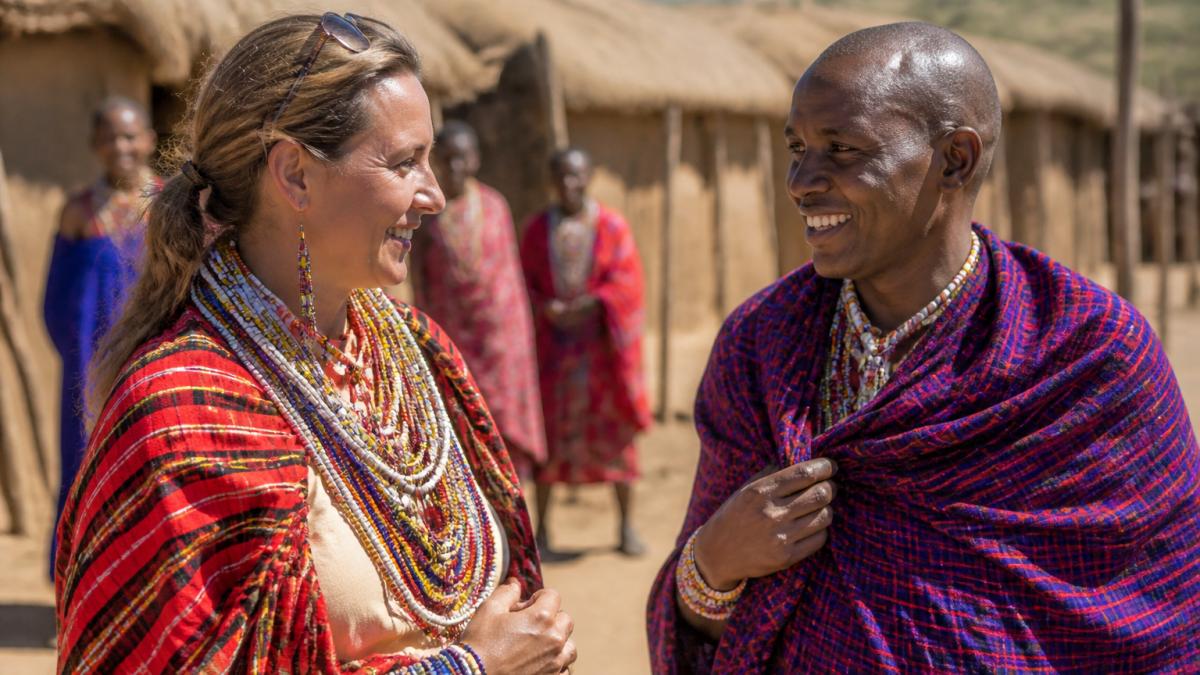
Avoid discussing sensitive topics like politics, religion, or personal wealth unless someone brings them up first. These conversations require trust and context you won't have as a visitor.
Never bargain aggressively for crafts or services. Haggling is sometimes expected in markets, but excessive negotiation disrespects the maker's labor. Agree on a fair price and pay it.
Zanzibar in African Oil Canvas Painting →
Accept food and drink offered to you when possible. Refusing hospitality can feel insulting. If you have dietary restrictions, explain them kindly beforehand.
Support Local Communities and Authentic Experiences
Supporting local communities means choosing experiences that benefit people directly and avoiding activities that exploit or demean them.
Buy directly from artisans when possible. Handcrafted items like the African Tribal Wasukuma Traditional Mask or African Tribal Chagga Traditional Mask from Simcha African Safaris Limited support traditional craftspeople and preserve cultural skills. These masks are made from Mpingo wood. When you purchase authentic pieces, you're funding families and keeping traditions alive.
Hire local guides. A local guide knows their community, speaks the language fluently, and understands cultural context that outside guides miss. Your payment goes directly to someone from that place.
Eat at family-run restaurants and buy from local markets instead of tourist restaurants. This supports small business owners and lets you taste authentic food prepared the way locals eat it.
Participate in activities that teach you skills or knowledge, not just activities designed purely for tourists. Learning to cook a traditional meal, weaving baskets, or working in a community garden creates real value for both you and the community.
Ask communities what they need. Sometimes the most helpful thing isn't what you assumed. A school might need books more than donations of toys. A cooperative might need market connections more than cash.
What You'll Need Before Booking
Before you book your sustainable cultural trip to Tanzania, gather key information and prepare practical items.
Get a valid passport with at least six months validity remaining. Check visa requirements for Tanzania well in advance. Most visitors need a visa, which you can obtain on arrival or beforehand.
Research vaccinations and health requirements with a travel medicine clinic. Malaria prevention is essential in most of Tanzania (Tanzania, including Zanzibar - Traveler view | Travelers' Health). Your doctor can recommend appropriate medication and other preventive measures.
Book travel insurance that covers trip cancellation, medical emergencies, and evacuation. Tanzania's medical facilities are limited outside major cities. Insurance gives you peace of mind and access to care if needed.
Purchase travel-appropriate clothing and gear. Pack modest clothing for cultural visits, comfortable walking shoes, sun protection, and a quality water bottle. Bring a small first-aid kit and any personal medications you need.
Arrange transportation and accommodations through responsible operators. Read reviews from other travelers, check how operators describe their community partnerships, and verify their commitment to sustainability.
Set a realistic budget. Sustainable travel costs more than budget tourism because money goes to communities and responsible practices.
Common Mistakes to Avoid
Understanding common pitfalls helps you make better choices and have a more meaningful trip.
Don't book tours through large international companies without checking their community partnerships. Big operators often take significant cuts before money reaches communities. Direct booking with local operators or community-based tourism organizations ensures more money stays local.
Avoid visiting communities without research or advance booking. Showing up unannounced treats people like tourist attractions rather than neighbors. Plan visits through established channels that prepare communities for your arrival.
Don't assume all "cultural experiences" are ethical. Some tourism operations stage inauthentic performances or exploit community members for profit. Ask detailed questions about how experiences are structured and who benefits.
Never haggle for services from guides, drivers, or hospitality workers. These are people's livelihoods, not merchandise. Agree on fair prices beforehand and honor them.
Don't photograph sacred sites or ceremonies without explicit permission. Some places are off-limits to outsiders entirely. Respect these boundaries completely, even if you don't understand the reason.
Avoid giving money or gifts directly to children. This can create dependency and sometimes encourages families to keep children out of school. If you want to help, work through established community organizations.
Planning a sustainable cultural trip to Tanzania requires research, respect, and genuine commitment to leaving communities better than you found them. The effort transforms your experience from tourism into meaningful cultural exchange.
Frequently Asked Questions
How do I verify that a Tanzania cultural safari operator is actually responsible?
Look for operators who provide transparent pricing, disclose exactly how much revenue reaches local communities, and employ local guides from the regions you visit. Ask whether they partner with specific community organizations and request references. Check if they limit group sizes to minimize impact and whether they have conservation certifications. Responsible operators will answer these questions directly without vague marketing language.
What should I include in a sustainable Tanzania itinerary?
Build your sustainable cultural trip to Tanzania around direct community engagement rather than passive observation. Include time with community-led tourism operators, visits to local artisan workshops, and meals at locally owned restaurants. Mix cultural experiences with wildlife viewing to support diverse local economies. Avoid overpacked schedules that rush through multiple locations; slower travel reduces environmental impact and allows meaningful interactions with local people.
How can I reduce the environmental impact of my trip to Tanzania?
Choose low-impact safari travel by selecting operators who use fuel-efficient vehicles and minimize off-road driving. Stay in eco-friendly accommodations that manage waste and water responsibly. Reduce plastic use by bringing refillable water bottles. Support conservation efforts by choosing private reserves where entrance fees fund habitat protection. Travel during shoulder seasons to reduce pressure on popular sites, and consider longer stays in fewer locations rather than rushing between many destinations.
What cultural etiquette should I know before visiting Tanzania?
Dress modestly, especially in rural areas and when visiting communities, cover shoulders and knees. Always ask permission before photographing people or sacred sites. Greet elders respectfully and use right hands when giving or receiving items. Remove shoes when entering homes or certain cultural spaces. Learn basic Swahili phrases to show respect. Listen more than you speak during cultural exchanges, and avoid assumptions about traditions or beliefs. These practices demonstrate genuine respect for local customs.


