

Table of Contents
- Why Tanzania Safari Is Perfect for First Timers
- Best Time of Year to Visit for Wildlife Viewing
- Northern Circuit vs Southern Circuit Safari: Which Is Right for You
- Recommended Safari Duration and Tanzania Safari Itinerary for Beginners
- Tanzania Safari Cost Breakdown: What to Budget
- What to Pack for Tanzania Safari: Essential Gear and Attire
- Health, Vaccinations, and Safety for First-Time Visitors
- Sustainable and Ethical Wildlife Tourism Practices
Last Updated: August 28, 2026
Why Tanzania Safari Is Perfect for First Timers
A best tanzania safari for first timers strikes the ideal balance between accessibility and authentic wildlife immersion. Tanzania's mature safari infrastructure, structured game drives, highly trained guides, and accommodations ranging from comfortable tented camps to luxury lodges, makes it exceptionally welcoming for newcomers. Unlike some African destinations demanding serious backcountry experience, Tanzania keeps you safe, informed, and genuinely connected to the landscape through open-air 4x4 vehicles with experienced guides who know exactly where animals congregate by season.
Many operators now integrate visits to Maasai villages, artisan workshops, and UNESCO World Heritage sites into itineraries, transforming a wildlife trip into deeper cultural engagement. Simcha African Safaris Limited emphasizes this blend of nature and culture, offering not just game drives but opportunities to engage with local communities and bring home handcrafted African art that tells a story.
Best Time of Year to Visit for Wildlife Viewing
The dry season, June through October, is when most first-timers should plan their trip. During these months, vegetation thins out, water sources concentrate wildlife in predictable locations, and rainfall is minimal, ensuring reliable game drives and better photography. July and August represent peak wildlife concentration, though they also mean peak pricing and crowds. June or September offer better balance between wildlife visibility and solitude.
The wet season (November-May) presents different appeal: lush landscapes, exploding bird populations, and cheaper costs. However, for first-timers, the dry season is the safer bet.
| Season | Months | Wildlife Density | Crowds | Cost | Best For |
|---|---|---|---|---|---|
| Dry Season | Jun-Oct | High | High | Premium | First-timers seeking guaranteed sightings |
| Peak Dry | Jul-Aug | Very High | Very High | Highest | Migration viewing, Big Five encounters |
| Shoulder Dry | Jun, Sep-Oct | High | Moderate | Moderate-High | Balance of wildlife and fewer crowds |
| Wet Season | Nov-May | Moderate | Low | Budget | Experienced travelers, bird enthusiasts |
Northern Circuit vs Southern Circuit Safari: Which Is Right for You
The Northern Circuit and Southern Circuit represent two fundamentally different safari experiences.
Northern Circuit Highlights
The Northern Circuit encompasses the Serengeti, Ngorongoro Crater, Arusha National Park, and Tarangire National Park. This cluster dominates most first-timer itineraries for good reason: concentration, accessibility, and iconic status.
The Serengeti is the centerpiece. This vast ecosystem spans nearly 15,000 square kilometers and hosts the Great Migration, approximately 1.5 million wildebeest, zebras, and gazelles following rainfall patterns (unesco.org). Guides position vehicles strategically along river crossings where predators hunt and herds mass together. The visual intensity is overwhelming: dust clouds, roaring lions, desperate river crossings, and raw survival mechanics playing out before you.
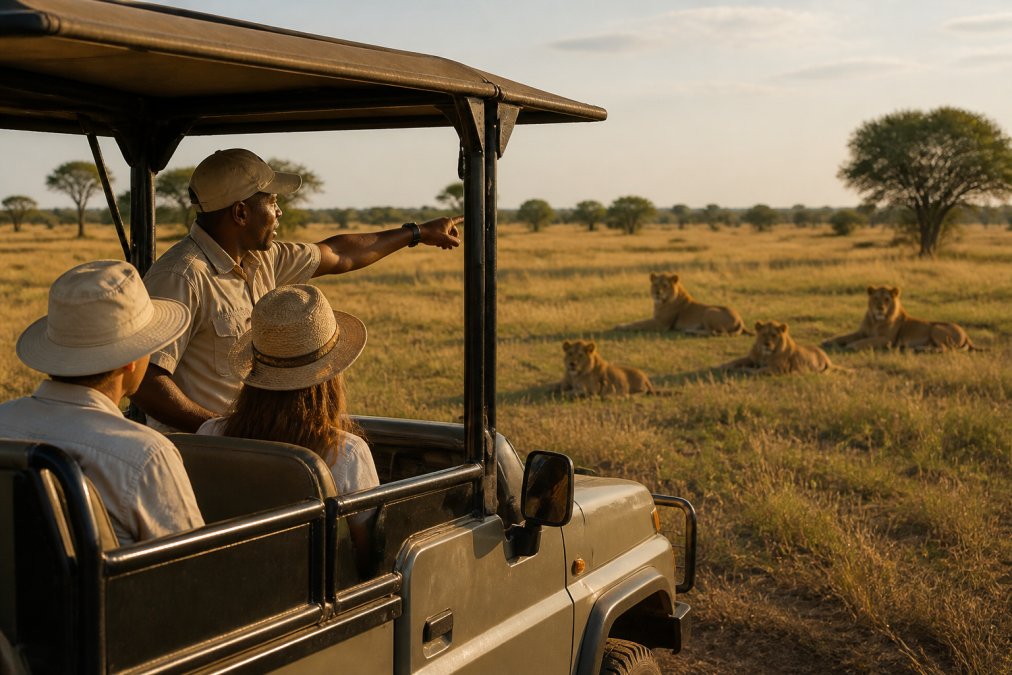
The Ngorongoro Crater offers concentrated wildlife viewing. This UNESCO World Heritage site is a collapsed volcanic caldera housing roughly 25,000 large animals within 260 square kilometers (unesco.org). A single game drive often yields elephant, lion, buffalo, zebra, and flamingo sightings. For first-timers, the crater delivers reliable wildlife viewing without the vastness that sometimes overwhelms newcomers in the Serengeti.
Tarangire National Park excels at elephant viewing. Hundreds congregate along the Tarangire River during the dry season, and the park's baobab-studded landscape feels distinctly African. Tarangire also hosts predators, lions, leopards, and wild dogs, making it a complete Northern Circuit experience in a more intimate setting.
The Northern Circuit's strength is density and variety. The trade-off is that you're not alone during peak season; popular viewpoints attract multiple vehicles.
Southern Circuit Highlights
The Southern Circuit includes Ruaha National Park, Selous Game Reserve, and Mikumi National Park. This region attracts fewer first-timers partly because it requires more planning and partly due to historical marketing favoring the north.
Ruaha National Park is Tanzania's largest and one of Africa's best-kept secrets. The Ruaha River creates dramatic escarpments and reliable water sources. During the dry season, the river becomes a wildlife magnet. Elephant populations rival the Serengeti, and leopard sightings are more frequent. The park's remoteness means fewer vehicles and genuine wilderness exploration.
Selous Game Reserve spans 50,000 square kilometers and allows walking safaris alongside game drives, offering different sensory immersion. You'll move through the landscape on foot with armed guides, hearing the environment rather than just observing it through a windshield.
The Southern Circuit's weakness for first-timers is logistics. Getting there requires internal flights or long road transfers, and accommodation options are fewer. However, if you have time and flexibility, the Southern Circuit rewards you with authentic experiences, lower costs, and satisfaction of exploring beyond the beaten path.
Which should you choose? If this is your first safari with limited time (3-5 days), the Northern Circuit is pragmatic. If you have 7-10 days and want to avoid crowds, combine both circuits or spend your entire trip in the Southern Circuit. Simcha African Safaris Limited can customize either route to match your timeline and preferences.
Recommended Safari Duration and Tanzania Safari Itinerary for Beginners
A best tanzania safari for first timers should last between 7 and 10 days minimum. This timeframe balances wildlife viewing opportunities against travel fatigue and cost.
A typical 7-day Northern Circuit itinerary for first-timers:
Days 1-2: Arusha and Arusha National Park Arrive in Arusha, the gateway city. Day 1 involves rest and acclimatization. Day 2 includes a half-day game drive in Arusha National Park, perfect for warming up with giraffes, buffalo, and potentially elephants.
Days 3-4: Tarangire National Park Two full days maximize elephant sightings and introduce predators. The park's river concentrates wildlife, and guides know the best viewing locations.
Days 5-6: Serengeti National Park Two days immerse you in the park's vastness. If timing aligns with migration (June-October), you'll witness the spectacle. Resident wildlife, lions, hyenas, wild dogs, and massive herbivore populations, still delivers extraordinary viewing.
Day 7: Ngorongoro Crater A full day in the crater provides concentrated wildlife viewing and a logical exit point.
Days 8-10 (optional): Southern Circuit or cultural experiences If extending to 10 days, either fly south to Ruaha or spend time in Maasai villages visiting artisan workshops where handcrafted African art originates.
Tanzania Safari Cost Breakdown: What to Budget
A best tanzania safari for first timers typically costs between $2,500 and $6,000 per person for a 7-day trip, depending on accommodation choices and operator selection.
Accommodation represents the largest variable. Budget tented camps cost $100-200 per night. Mid-range lodges run $250-400 per night. Luxury lodges exceed $500 per night. For a 7-day trip with 5 nights of accommodation, this category can swing your total cost by $1,500 or more.
Park fees and conservation levies are non-negotiable. The Serengeti charges roughly $60 per day for non-residents. Ngorongoro Crater adds another $50 per day. Other parks charge $30-40 per day. Over a 7-day trip, expect $250-350 in park fees.
Guide and vehicle costs typically run $80-150 per day depending on guide experience and vehicle quality. A knowledgeable guide justifies the premium.
Internal flights between parks add $200-400 per segment. Driving saves money but costs time and comfort.
Food and beverages range from $20-50 per day depending on accommodation. Most operators include meals, but alcohol and snacks are typically separate.
Tips and gratuities are expected and important. Budget 10-15% of your total trip cost for tips distributed among guide, driver, and camp staff.
| Cost Category | Budget Trip | Mid-Range Trip | Luxury Trip |
|---|---|---|---|
| Accommodation (5 nights) | $500-1,000 | $1,250-2,000 | $2,500+ |
| Park Fees | $250-350 | $250-350 | $250-350 |
| Guide & Vehicle | $560-1,050 | $560-1,050 | $800-1,050 |
| Internal Flights | $0-400 | $200-400 | $200-400 |
| Food & Beverages | $100-250 | $200-350 | $350+ |
| Tips (10-15%) | $250-400 | $400-600 | $600-800 |
| Total Estimate | $2,660-3,450 | $3,860-4,750 | $5,200-7,050 |
Most reputable operators include accommodation, meals, park fees, guide services, and game drives. Extras often charged separately include alcohol, travel insurance, tips, international flights, and specialized activities like hot air balloon rides or walking safaris.
Simcha African Safaris Limited offers flexible packages starting at various price points. Request a quote to understand what's included in their specific offerings.
What to Pack for Tanzania Safari: Essential Gear and Attire
Packing for a best tanzania safari for first timers requires balancing practicality with comfort.
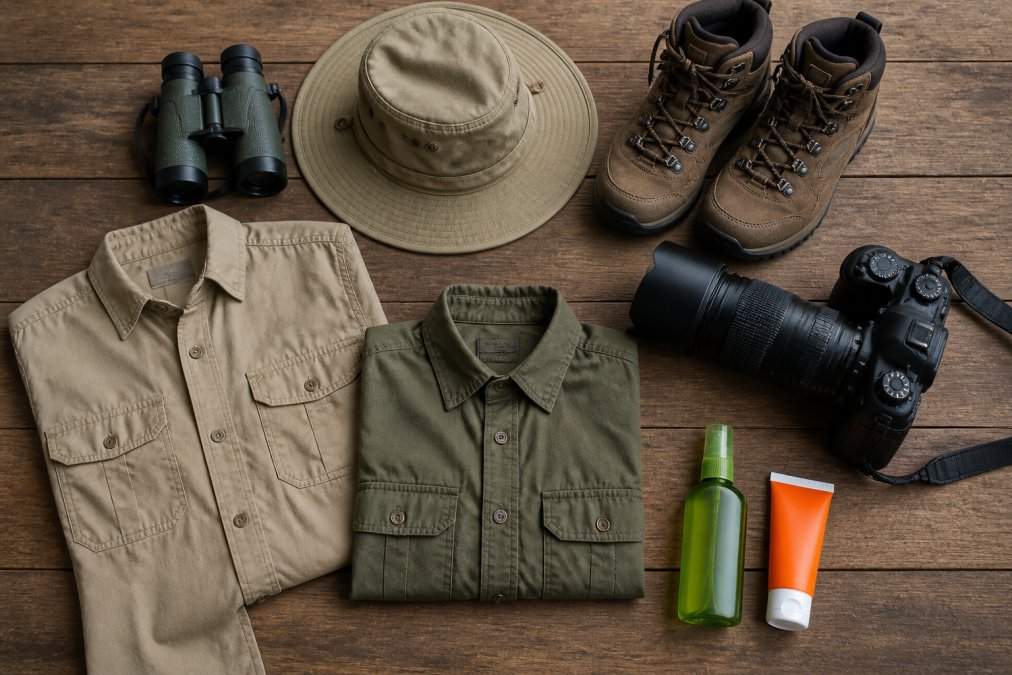
Clothing should emphasize neutral colors. Wear khaki, tan, olive, and brown. Avoid bright colors, white, and black, which attract insects and stand out to animals. Long sleeves and long pants protect against sun, insects, and thorny vegetation. Early mornings and evenings are surprisingly cool; bring a lightweight fleece. One pair of sturdy hiking boots and one pair of comfortable camp shoes are sufficient. Most lodges provide laundry service.
Binoculars are non-negotiable. Quality binoculars transform your safari, enabling you to spot distant animals and observe behavior. Invest in 8x42 or 10x42 binoculars from reputable brands. Many operators provide binoculars, but bringing your own ensures comfort and quality.
Camera gear depends on your interests. A smartphone captures memories adequately. A mirrorless camera with telephoto lens (200-400mm) enables serious wildlife photography. Bring extra memory cards and batteries; charging opportunities are limited in remote camps.
Sun protection is essential. Pack SPF 50+ sunscreen, a wide-brimmed hat, and UV-blocking sunglasses. Reapply sunscreen every two hours.
Insect protection matters. Bring insect repellent containing DEET (20-30% concentration), permethrin-treated clothing, and a mosquito net (though lodges provide these).
Medications and first aid should include personal prescriptions, basic pain relievers, antidiarrheal medication, antihistamines, and blister treatment.
Miscellaneous essentials: a headlamp for nighttime camp navigation, a universal power adapter (Tanzania uses Type G plugs), a water bottle for hydration during game drives, and a notebook for recording sightings.
Health, Vaccinations, and Safety for First-Time Visitors
Visiting Tanzania requires attention to health precautions, but risks are manageable with proper planning.
Vaccinations recommended for Tanzania include yellow fever, typhoid, hepatitis A, and routine vaccines (MMR, tetanus) (the CDC). Consult your physician at least 4-6 weeks before departure. The CDC website provides current vaccination recommendations.
Malaria prevention depends on your itinerary. Northern Circuit parks sit at higher altitudes where malaria risk is lower but not zero. Southern Circuit parks have higher transmission. Your physician may recommend antimalarial medication. Combine medication with mosquito avoidance: wear long sleeves and pants at dusk and dawn, use insect repellent, and sleep under a mosquito net.
Altitude considerations affect some first-timers. The Northern Circuit sits at 1,200-1,500 meters elevation. For standard safaris without Kilimanjaro, altitude is rarely an issue.
Water safety is straightforward. Drink bottled water, not tap water. Lodges provide bottled water; carry extra during game drives.
Safety for solo female travelers is generally good. Tanzania is safe for tourists, and female travelers visit regularly. Exercise standard precautions: avoid walking alone at night in towns, keep valuables secure, and inform someone of your itinerary. Reputable operators prioritize safety and can address specific concerns.
Wildlife safety is straightforward: stay in your vehicle during game drives, never approach animals on foot without a guide, and follow guide instructions immediately. Incidents involving tourists are rare when basic rules are observed.
Travel insurance is essential. Purchase a policy covering medical evacuation, trip cancellation, and lost luggage.
Sustainable and Ethical Wildlife Tourism Practices
Choosing an operator committed to sustainable practices ensures your safari supports conservation and local communities.
Ethical wildlife viewing means respecting animal behavior. Guides should maintain distance from animals, avoid blocking migration routes, and never feed wildlife. Reputable operators limit vehicles at popular sightings and rotate viewing locations to prevent overuse.
Community benefit matters. Safari revenue should flow to local communities. Ask your operator how much of your fee reaches local guides, drivers, and villages. Operators partnering with Maasai communities should compensate communities fairly and respect cultural boundaries. Purchasing handcrafted African art directly from artisans supports livelihoods. Simcha African Safaris Limited sources handcrafted pieces like the Kilimanjaro warrior oil painting ($175.00) and Mpingo wood elephant sculptures ($130.00-$140.00) that directly support traditional artisans.

Conservation contribution is the core mission. Park fees fund anti-poaching efforts, habitat protection, and research. Ask your operator about conservation partnerships and contributions.
Environmental impact extends beyond wildlife viewing. Camps should manage waste responsibly, use renewable energy where feasible, and minimize water waste. Walking safaris have lower environmental impact than constant vehicle driving.
Responsible behavior as a tourist includes following guide instructions, not littering, respecting photography boundaries, and tipping guides fairly.
The best tanzania safari for first timers combines exceptional wildlife viewing with genuine commitment to conservation and community benefit.
Your first Tanzania safari will reshape how you understand wildlife, landscape, and human connection to nature. The combination of world-class game viewing, cultural immersion, and logistical accessibility makes Tanzania ideal for safari newcomers. Whether you choose the Northern Circuit's iconic parks or the Southern Circuit's remote wilderness, you'll return with memories that last a lifetime.
The best tanzania safari for first timers isn't about checking boxes or photographing the Big Five. It's about presence: sitting quietly in a vehicle at dawn, watching a pride of lions hunt, understanding your smallness within a vast ecosystem. It's about conversations with guides who've dedicated their lives to these landscapes, and encounters with artisans whose handcrafted masks and paintings embody centuries of cultural tradition.
Simcha African Safaris Limited specializes in crafting these immersive experiences. From expertly guided game drives across UNESCO World Heritage sites to curated cultural visits and access to authentic handcrafted African art, we deliver safaris tailored to your sense of wonder. Our flexible packages ranging from 3 to 7 days accommodate your timeline and preferences. Request a quote today and begin planning the safari that will transform your perspective on Africa.
Frequently Asked Questions
What is the best time of year for a first-time safari in Tanzania?
The dry season (June to October) offers the best wildlife viewing for first-timers. During these months, animals gather around water sources, making them easier to spot. The Northern Circuit's wet season (November to May) brings lush landscapes and fewer tourists, but wildlife is more dispersed. Plan your first Tanzania safari during dry season for maximum Big Five encounters and comfortable game drive conditions.
How long should a first-time Tanzania safari itinerary be?
A 7-10 day safari is ideal for first-timers, allowing 4-5 days of game drives plus travel time. This duration lets you experience multiple parks, adjust to the pace, and increase wildlife encounter odds. Shorter 3-5 day itineraries work for time-constrained travelers but offer less flexibility. Longer trips allow deeper exploration of the Northern Circuit and cultural experiences with local guides.
Is the Northern Circuit better for first-time safari visitors than the Southern Circuit?
The Northern Circuit is generally better for first-timers because it concentrates wildlife in smaller areas, offers more lodge options, and provides reliable game drive experiences year-round. Parks like Serengeti and Ngorongoro Crater deliver consistent Big Five sightings. The Southern Circuit offers a more remote experience with fewer tourists but requires more time and higher tolerance for rough roads. Choose Northern Circuit for your first safari unless you prefer solitude over guaranteed wildlife.
How much should I budget for a first-time Tanzania safari?
Budget $3,000-$6,000 per person for a 7-day safari including flights, lodging, park fees, and guided game drives. Mid-range tented camps and lodges cost $150-$300 per night. Park entrance fees run $50-$70 per day. International flights add $800-$1,500. A Tanzania safari cost breakdown typically includes 30% for accommodation, 25% for flights, 20% for park fees and transfers, and 25% for meals and guides. Luxury safaris exceed $10,000 per person.
What vaccinations and health precautions do I need for a Tanzania safari?
Yellow fever vaccination is recommended (check current CDC requirements). Malaria prophylaxis is essential for most regions; start medication before arrival. Consult your doctor about routine vaccinations. Bring comprehensive travel insurance covering medical evacuation. Drink bottled water, use insect repellent, and wear long sleeves at dawn and dusk. First-aid supplies and any prescription medications should travel in carry-on luggage. Medical facilities exist in major towns but are limited in remote areas.
This article was written using GrandRanker


