

Table of Contents
- Why Vehicle Choice Matters for Your Safari Experience
- Types of Safari Vehicles and Their Core Strengths
- 4x4 Land Cruiser vs. Minivan: Which Performs Better Off-Road
- Best Safari Vehicle for Photography and Wildlife Spotting
- Private vs. Group Safari Vehicle: Capacity, Cost, and Experience
- Essential Vehicle Features: Suspension, Seating, and Safety
- Accessibility, Comfort, and Long Game Drive Considerations
- Vehicle Reliability, Maintenance, and Emergency Protocols
Last Updated: August 29, 2026
Why Vehicle Choice Matters for Your Safari Experience
The right safari vehicle determines how close you get to wildlife, how comfortable you remain during long game drives, and whether you can safely navigate challenging terrain. At Simcha African Safaris Limited, vehicle selection is often the difference between a memorable adventure and a frustrating one.
Your choice affects visibility for wildlife spotting, protection from weather, fuel efficiency across rugged terrain, and your ability to access remote areas where the Big Five congregate. A vehicle optimized for photography has different features than one designed for comfort on extended journeys. This guide covers the essential factors to evaluate when selecting the right safari vehicle for your journey.
Types of Safari Vehicles and Their Core Strengths
Safari vehicles fall into three primary categories, each with distinct advantages and trade-offs.
Open-Sided Vehicles for Maximum Game Viewing
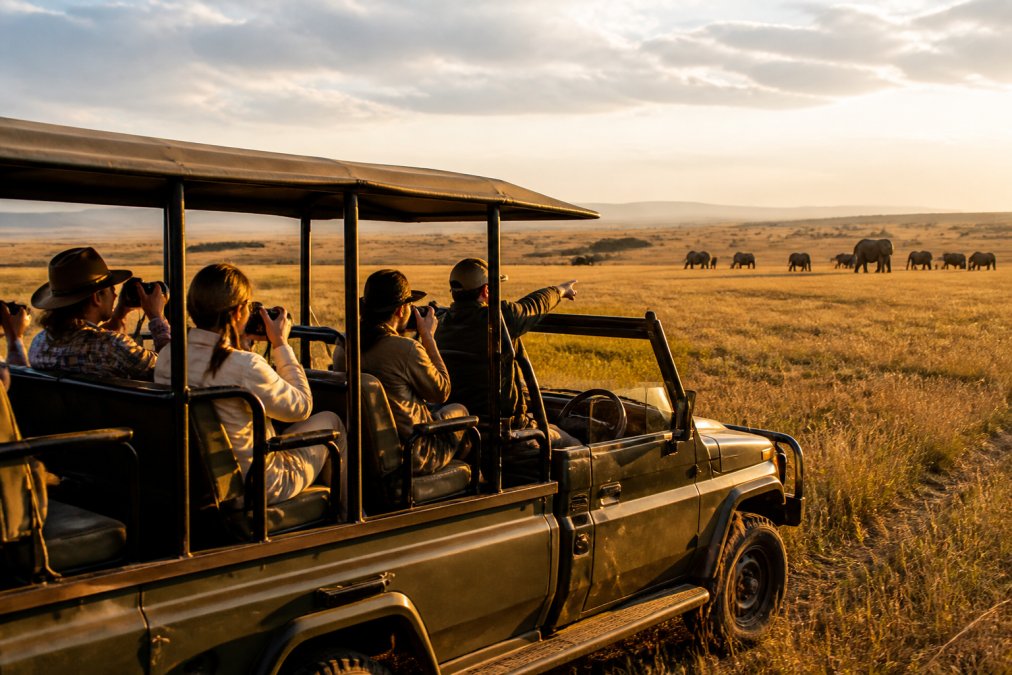
Open-sided vehicles offer unobstructed 360-degree visibility and direct access to the landscape. Tiered seating positions passengers at varying heights, ensuring everyone has a clear sightline to distant animals. The open design allows better air circulation during hot days.
The primary advantage is visibility without glass reflections, essential for wildlife photography. The trade-off is weather exposure, during unexpected rain or strong sun, you're directly exposed. Dust from the vehicle ahead coats your clothing and camera equipment.
Open-sided vehicles work best for photographers prioritizing image quality, visitors comfortable with weather exposure, and groups focused on maximum wildlife observation. They're standard for UNESCO World Heritage site game drives.
Closed Safari Vehicles for Weather Protection
Closed vehicles provide full protection from elements while maintaining large windows for viewing and photography. Air conditioning or ventilation systems manage temperature during hot days, and the enclosed design keeps dust and insects away from passengers and equipment.
The limitation is visibility. Windows create reflections that interfere with photography, particularly when using telephoto lenses. You lose the direct sensory connection to the landscape, the sounds, smells, and immediate feel of being in the wild.
Closed vehicles suit travelers prioritizing comfort, those with health considerations requiring climate control, and visitors less focused on wildlife photography.
Pop-Up Roof Vehicles for Flexible Comfort
Pop-up roof vehicles combine both designs. The roof panel rises to create an open-air experience when weather permits, then closes for protection during rain or intense sun. You can photograph wildlife without glass reflections, then seal the vehicle if weather deteriorates.
The trade-off is cost. Pop-up roof vehicles command premium pricing, and the mechanical roof adds complexity. The roof opening takes time if a sudden storm approaches.
Pop-up roof vehicles appeal to travelers wanting flexibility without committing to either extreme, and those seeking maximum comfort without sacrificing photography opportunities.
4x4 Land Cruiser vs. Minivan: Which Performs Better Off-Road
The Toyota Land Cruiser dominates safari vehicle selection across the region. A 4x4 Land Cruiser features high ground clearance, strong suspension systems designed for rough terrain, and the reliability required for remote game drives (toyota.com). The elevated seating position provides superior sightlines.
Land Cruisers handle deep sand, rocky terrain, and water crossings that would disable standard vehicles. The 4x4 drivetrain provides traction across unpredictable surfaces, and the suspension absorbs impacts from washboard roads.
Minivans lack the ground clearance and suspension architecture needed for serious off-road work. While some operators use modified minivans for budget tours, they struggle with terrain that Land Cruisers navigate routinely. A minivan bottoming out on rocky terrain creates safety risks and strands your group.
The performance difference matters most when accessing remote areas where the Big Five congregate. A 4x4 Land Cruiser reaches these locations reliably; a minivan either cannot reach them or arrives with mechanical damage. For serious game viewing, the 4x4 Land Cruiser is the only practical choice.
Best Safari Vehicle for Photography and Wildlife Spotting
Wildlife photography demands specific vehicle features. Sliding windows allow you to position camera equipment outside without obstruction. Pop-up roof vehicles eliminate glass reflections that plague telephoto photography. Vehicle stability while stationary matters, vibration from an idling engine degrades image sharpness when using long lenses.
The ideal photography vehicle combines elevated seating (for clear sightlines over grass and brush), large unobstructed windows, and a stable platform. Open-sided vehicles excel here because they eliminate glass entirely. Pop-up roof vehicles work well when the roof is open.
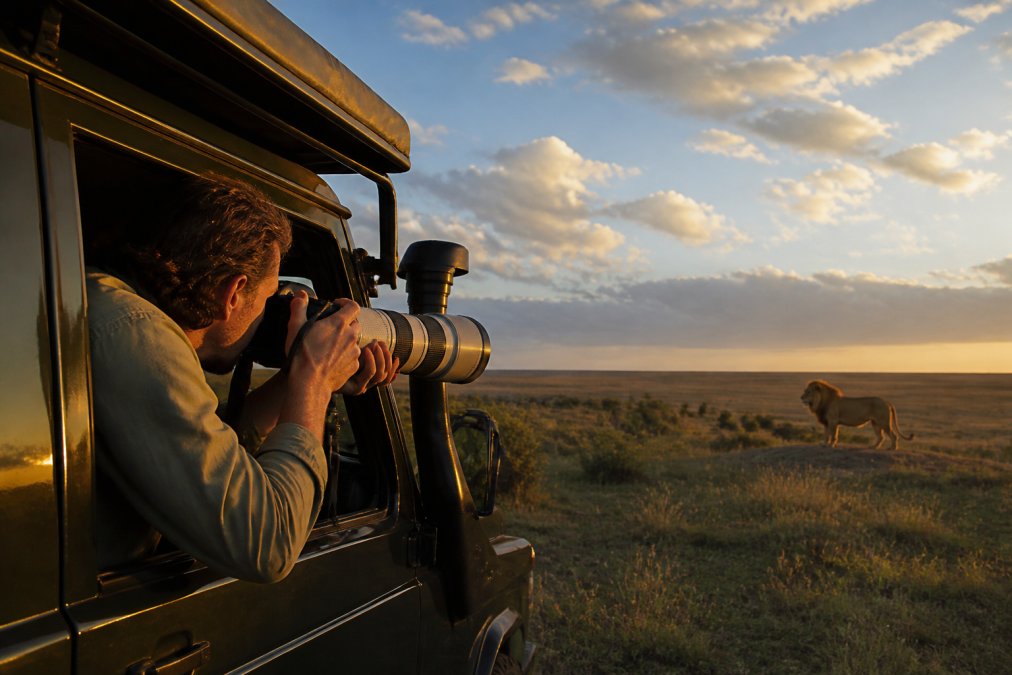
Vehicle suspension matters for photography. Rough terrain causes micro-movements that show up in photos taken at high shutter speeds or with extreme telephoto magnification (peer-reviewed research). A quality suspension system that absorbs bumps reduces this problem significantly.
Charging capability inside the vehicle is increasingly important. Modern cameras and telephoto lenses demand battery power for extended game drives. USB ports or 12-volt outlets let you recharge between shooting sessions.
For serious wildlife photographers, prioritize open-sided or pop-up roof vehicles with sliding windows, elevated seating, stable suspension, and in-vehicle charging options.
Private vs. Group Safari Vehicle: Capacity, Cost, and Experience
Private safari vehicles serve smaller groups, typically 4-6 passengers, allowing personalized itineraries and flexible timing. You choose when to stop, how long to observe a particular animal, and which locations to prioritize. The guide focuses entirely on your group's interests.
Group safari vehicles accommodate larger numbers, sometimes 8-12 passengers. Group tours distribute costs across more people, reducing per-person expense. However, the itinerary follows a fixed schedule, and you must compromise with other passengers on timing and locations.
Private safaris require dedicated guides and drivers, increasing per-day expenses. Group safaris amortize these costs across multiple passengers. However, private safaris offer flexibility that group tours cannot match, you can adjust your itinerary based on wildlife sightings or modify your schedule if weather changes.
For couples seeking a honeymoon experience or small families wanting a personalized adventure, private safari vehicles provide unmatched flexibility. For budget-conscious travelers or those preferring social interaction, group vehicles make sense.
Essential Vehicle Features: Suspension, Seating, and Safety
A quality suspension system is non-negotiable for safari vehicles. Independent suspension on all four wheels absorbs impacts from rocky terrain without transferring excessive vibration to passengers. Poor suspension leaves you sore after long game drives and affects image quality if you're photographing.
Tiered seating arrangements position passengers at different heights, ensuring everyone has clear sightlines. This configuration means no passenger sits behind another person's head, blocking the view.
Safety features include emergency communication systems that connect your vehicle to guide networks and ranger stations. First aid kits should be stocked with supplies appropriate for wilderness conditions. Fire extinguishers and basic mechanical tools help address minor issues without waiting for assistance.
Seat belts, grab handles, and armrests provide stability when the vehicle navigates rocky sections. Dust-proof ventilation systems filter air entering the vehicle, reducing the amount of fine sand and dust that coats passengers and equipment.
Accessibility, Comfort, and Long Game Drive Considerations
Long game drives, 8-10 hours or more, test vehicle comfort in ways shorter excursions don't. Your back will ache if seating doesn't provide lumbar support. Comfortable seating includes adequate padding, adjustable backrests, and sufficient legroom. Some safari vehicles now include memory foam cushioning that reduces fatigue during extended sitting.
Accessibility considerations matter for travelers with mobility limitations. Can you board the vehicle easily? Are seats positioned to accommodate wheelchairs or mobility aids?
Climate control becomes critical during long drives. Air conditioning keeps the vehicle cool during midday heat. Ventilation systems prevent stuffiness when sealed against dust. The ability to adjust temperature zones means all passengers stay comfortable.
Snack and beverage service during game drives matters more than it sounds. Dehydration reduces your ability to enjoy the experience and affects your health in high-altitude environments. Vehicles equipped with coolers let you stay hydrated without frequent stops.
For extended safaris, consider vehicles with onboard toilet facilities. This eliminates the need for frequent stops that interrupt game viewing and wildlife photography.
Vehicle Reliability, Maintenance, and Emergency Protocols
A vehicle breaking down in remote terrain creates real problems. Your safari operator should maintain detailed service records showing regular maintenance on all vehicles. Ask about the maintenance schedule, quality operators service vehicles after every set number of kilometers or days.
The age of the vehicle matters. Newer vehicles have fewer mechanical issues and incorporate modern safety features. However, well-maintained older vehicles often outperform poorly maintained newer ones. Request information about when the vehicle was last serviced.
Emergency protocols should be clearly communicated before your safari begins. What happens if the vehicle breaks down? How does the operator communicate with rangers or other safari vehicles? Is there a backup vehicle available?
Spare parts availability affects repair speed. Operators working with Land Cruisers benefit from widespread parts availability throughout the region, making repairs straightforward.
Insurance coverage protects you if accidents occur. Your safari operator should carry comprehensive liability insurance. Some operators require travelers to carry additional travel insurance covering medical evacuation, a wise precaution in remote areas.
Regular tire maintenance prevents blowouts on rocky terrain. Quality all-terrain tires provide better traction and durability than standard tires.
The operator's safety record speaks volumes. How many years have they been operating? Do they prioritize driver training and safety protocols? Simcha African Safaris Limited maintains detailed safety records and trains guides extensively on vehicle operation and emergency response.
Choosing the right safari vehicle requires balancing comfort, capability, and your specific travel goals. The vehicle becomes your home for days at a time, affecting everything from wildlife viewing quality to your physical comfort. Evaluate the terrain you'll traverse, the weather you might encounter, and whether you prioritize photography, comfort, or accessibility.
Simcha African Safaris Limited offers curated safari experiences with vehicles selected specifically for the terrain and season of your journey. Our fleet includes open-sided vehicles for maximum game viewing, pop-up roof vehicles for flexible comfort, and Land Cruisers optimized for off-road capability. Whether you're seeking the Big Five in UNESCO World Heritage sites or combining safari experiences with whale shark adventures, we match you with the vehicle that maximizes your safari experience. Request a Quote to discuss your specific needs and let our team recommend the ideal vehicle for your adventure.
Frequently Asked Questions
What is the best safari vehicle for wildlife photography in Tanzania?
Open-sided vehicles with pop-up roofs and sliding windows are ideal for wildlife photography because they offer unobstructed views and stability for telephoto lenses. Look for vehicles with tiered seating that positions photographers at varying heights, allowing multiple people to shoot simultaneously. Vehicles with in-vehicle charging ports are essential for keeping camera batteries and equipment powered during full-day game drives. A reliable suspension system minimizes camera shake when traversing rugged terrain, while large windows ensure you capture the moment without reflections or obstructions.
Is a 4x4 Land Cruiser necessary for a Tanzania safari, or will a minivan work?
A 4x4 Land Cruiser is strongly recommended for most safari routes in Tanzania. The Serengeti, Ngorongoro Crater, and other game reserves feature unpaved tracks with deep ruts, river crossings, and uneven terrain where minivans struggle. Land Cruisers have superior off-road capability, higher ground clearance, and robust suspension systems that protect passengers and equipment. While minivans are cheaper and adequate for paved lodge access, they limit your ability to reach remote wildlife hotspots and can damage suspension on rough terrain. A 4x4 vehicle ensures you reach prime game viewing areas and experience fewer breakdowns.
How does choosing a private versus group safari vehicle affect my experience and cost?
Private safari vehicles offer flexibility, personalized routing, and dedicated guide attention but cost significantly more per person. Group vehicles distribute costs among 6-8 passengers, making them budget-friendly, though you follow set itineraries and share game viewing opportunities. Private vehicles suit photography enthusiasts and travelers with specific accessibility needs, while group vehicles work well for social travelers and those seeking community experiences. Vehicle capacity, guide expertise, and your comfort with shared space should drive this decision. Simcha African Safaris Limited can customize either option to match your priorities and timeline.
What vehicle features matter most for comfort during long game drives?
Tiered seating, suspension systems, and dust-proof cabins are critical for all-day comfort. Vehicles should have sliding windows that reduce dust while allowing unobstructed views, adequate legroom for extended sitting, and climate control for temperature swings. In-vehicle charging ports keep devices powered, while first aid kits and emergency radios ensure safety on remote tracks. Padding and ergonomic seat design reduce fatigue during 6-8 hour daily drives. Ask your safari operator about seat configuration and suspension specifications before booking, especially if you have mobility considerations or plan multiple consecutive game drive days.
This article was written using GrandRanker


