

Table of Contents
- Understanding Mount Kilimanjaro's Climbing Challenges
- Kilimanjaro Training Plan for Beginners
- Kilimanjaro Altitude Sickness Prevention Strategies
- Best Kilimanjaro Routes for Safety
- Essential Gear and Footwear Preparation
- Hydration, Nutrition, and Post-Climb Recovery
- Mental Preparation and Summit Night Success
- Working with Mountain Guides and Crew
Last Updated: August 30, 2026
Understanding Mount Kilimanjaro's Climbing Challenges
Mount Kilimanjaro presents unique obstacles that separate successful summits from failed attempts. At 19,341 feet, the real challenge isn't height alone, it's that your body has less than half the oxygen it's accustomed to processing (usgs.gov). Altitude affects everyone. The question isn't whether you'll feel it, but how you'll respond when you do.
Kilimanjaro's seven distinct ecological zones compound the challenge. You'll start in tropical rainforest and pass through cloud forest, alpine meadow, high alpine desert, and finally the arctic-like summit zone. Your body must adapt to changing temperatures, humidity, and oxygen levels simultaneously. Weather windows close fast, trails become hazardous, and physical reserves deplete quicker than expected. But none of these obstacles are insurmountable with proper preparation.
Kilimanjaro Training Plan for Beginners
A solid training program starts 12 to 16 weeks before your climb. This builds the specific fitness your body needs to sustain effort at altitude through cardiovascular conditioning, strength work, and endurance building.
Cardiovascular Conditioning
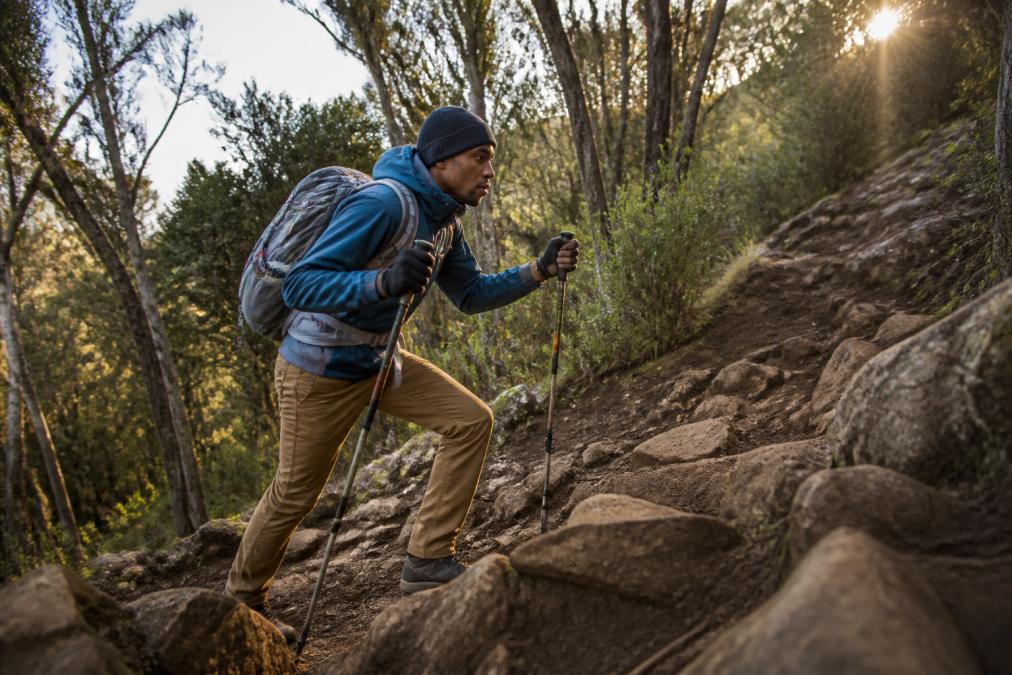
Your heart and lungs are your foundation. Aim for 3 to 4 sessions per week, mixing steady-state cardio with interval work. Start with activities that elevate your heart rate for 30 to 45 minutes: running, cycling, swimming, or rowing. Trail running or hiking on inclined terrain transfers best to Kilimanjaro's demands.
Incorporate one interval session weekly. Warm up for 5 minutes, then alternate 2 minutes at hard effort with 2 minutes of recovery. Repeat 6 to 8 times, then cool down. This builds the metabolic resilience you'll need during summit night.
Strength and Endurance Building
Focus on lower-body strength: squats, lunges, step-ups, and calf raises performed 2 times per week using body weight or light resistance. Perform higher repetitions (12 to 20 reps) rather than heavy weight. Add planks, side planks, and bird dogs for core stability on uneven terrain.
Endurance hiking is non-negotiable. Take weekend hikes with elevation gain, progressively increasing distance and pack weight. By week 12, you should be comfortable hiking 4 to 6 hours with a 15 to 20-pound pack.
Kilimanjaro Altitude Sickness Prevention Strategies
Altitude sickness is a medical condition that can turn dangerous. Prevention combines smart pacing, proper acclimatization, and knowing when to seek help.
Acclimatization and Trekking Pace
The single most effective prevention tool is time. A proper Kilimanjaro climb takes 6 to 7 days minimum, preferably 7 to 8 days (the CDC). Each extra day dramatically improves your odds.
The principle of "pole pole" (Swahili for "slowly slowly") is physiology, not motivation. A sustainable trekking pace is one where you can hold a conversation. Most climbers push too hard early, depleting energy reserves and triggering altitude symptoms that could have been prevented.
Acclimatization happens through a climb-high, sleep-low pattern. You ascend during the day to higher elevations, then descend to sleep at a lower altitude where oxygen is more available. This stimulates your body to produce more red blood cells and improve oxygen use.
Recognizing High-Altitude Symptoms
Acute Mountain Sickness (AMS) manifests as headache, nausea, fatigue, and dizziness, typically appearing 6 to 12 hours after arriving at altitude (peer-reviewed research). If you develop moderate to severe headache, vomiting, or confusion, descend immediately. Even losing 1,000 feet of elevation can provide significant relief.
Communicate honestly with your guides about how you're feeling. Pride has killed climbers. Honesty saves lives. A pulse oximeter measures blood oxygen saturation; readings below 80% at altitude warrant caution.
Best Kilimanjaro Routes for Safety
Kilimanjaro offers six main routes, each with different safety profiles and acclimatization opportunities.
Route Comparison and Selection
The Marangu Route is the most popular and most dangerous for altitude sickness. It's shorter (5 days) but gives your body minimal time to acclimatize, with success rates around 45 to 50%. The Lemosho Route takes 7 to 8 days with a gentler gradient and summit success rates exceeding 80%. The Rongai Route offers quiet acclimatization from the north, while the Machame Route is steeper and more scenic with moderate success rates around 65%.
For beginners, the Lemosho or Rongai routes are superior choices. The extra days mean your body acclimates properly. Ask your outfitter about daily elevation profiles; safer routes keep daily gains to 1,000 to 1,500 feet.
Essential Gear and Footwear Preparation
Proper gear keeps you warm, dry, and protected from the elements. Poor gear choices lead to hypothermia, blisters, and injury.
Breaking In Your Boots and Layering System
Hiking boots are your most critical piece of equipment. Break in your boots over 4 to 6 weeks before your climb on training hikes. Look for boots with good ankle support and a stiff sole. Many climbers size up a half-size to accommodate swelling at altitude. Bring two pairs of merino wool hiking socks and change them regularly to prevent blisters.
Layering manages temperature swings: start with a moisture-wicking base layer, add an insulating mid-layer (fleece), and top with a waterproof outer shell. This system lets you adjust as conditions change. A sleeping bag rated for at least 0 degrees Fahrenheit is essential; summit night temperatures drop to minus 10 to minus 20 degrees.
Hydration, Nutrition, and Post-Climb Recovery
Your body burns enormous amounts of energy at altitude. Dehydration accelerates altitude sickness. Underfeeding depletes reserves needed for summit night.
Daily Caloric Intake and Energy Management
At altitude, your metabolic rate increases by 30 to 40%. Aim to consume 4,000 to 5,000 calories daily during your climb. Bring calorie-dense foods: nuts, chocolate, energy bars, dried fruit, and nut butter. Supplement guided meals with high-calorie snacks.
Drink 3 to 4 liters of water daily, more if you're exerting hard. Dehydration at altitude is insidious; you don't feel thirsty the way you do at sea level. Hydration salts help your body retain fluid and maintain electrolyte balance.
Recovery Protocols After Summit
The descent is harder on your body than the ascent. Spend the first 24 to 48 hours resting. Eat protein-rich foods to support muscle recovery: eggs, chicken, fish, beans, yogurt. Sleep as much as you can. Gentle stretching and light walking prevent stiffness, but avoid intense exercise for at least a week.
Mental Preparation and Summit Night Success
Kilimanjaro is as much a mental challenge as a physical one. Your mind will tell you to quit when your body is capable of continuing.
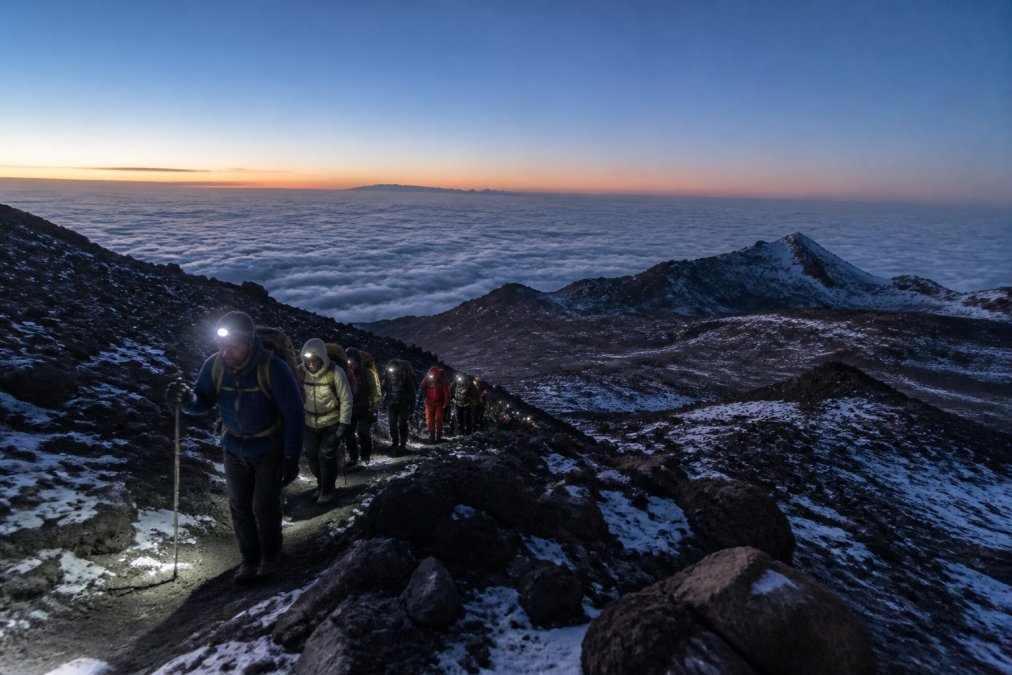
Summit night is brutal. You'll start climbing around midnight in subzero cold, darkness, and thin air. Progress feels impossibly slow. This is when mental preparation matters. Visualization training before your climb creates mental pathways that activate during the actual climb.
Break the summit into smaller segments rather than thinking about the full 4 to 6-hour push to Uhuru Peak. Focus on reaching the next rock, the next switchback, the next rest break. Mantras work: simple phrases you repeat when fatigue and altitude are overwhelming. Accept that you'll be uncomfortable. Kilimanjaro doesn't promise comfort; it promises an experience that will change how you see yourself.
Working with Mountain Guides and Crew
Your guides and porters are essential safety infrastructure. They navigate the route, monitor your health, manage logistics, and make life-or-death decisions when conditions deteriorate.
Tipping Etiquette and Safety Communication
The standard recommendation is 10 to 15% of your total trek cost, distributed among the team. More important than the amount is communication. Tell your guide immediately if you're experiencing altitude symptoms, pain, or fatigue. Don't downplay symptoms hoping they'll improve.
Ask your guide questions about acclimatization, pacing, and nutrition. Good guides welcome this engagement. Respect your guide's decisions about pace and route adjustments. If your guide says to descend due to weather or health concerns, descend. The mountain will be there next year.
Climbing Mount Kilimanjaro safely requires months of preparation, honest self-assessment, and respect for the mountain's power. The physical training builds your aerobic foundation, but mental resilience and proper acclimatization strategy determine whether you'll stand at Uhuru Peak. Working with experienced guides transforms the climb from a solo struggle into a supported journey. At Simcha African Safaris Limited, we offer Kilimanjaro expeditions with proven safety protocols, proper acclimatization schedules, and personalized pacing strategies. Request a quote with Simcha African Safaris Limited and experience a Kilimanjaro climb designed around your safety and success, not just speed.
=== FAQ ANSWERS (audit these too, same rules) ===
[1] Q: Can an average person safely climb Mount Kilimanjaro? A: Yes, most people in reasonable health can summit with proper preparation. Success depends more on mental determination and acclimatization than extreme fitness. A structured kilimanjaro training plan for beginners, focusing on cardiovascular conditioning and 4-6 months of preparation, gives climbers the physical foundation needed. Choosing routes with longer acclimatization schedules like Lemosho or Northern Circuit significantly improves safety and summit success rates for average climbers.
[2] Q: What are the most important safety tips for climbing Kilimanjaro? A: The three critical safety measures are: acclimatize properly by ascending slowly (pole pole means 'slowly' in Swahili), stay hydrated with 3-4 liters of water daily using hydration salts to aid absorption, and recognize early altitude sickness symptoms like headache and nausea. Work with experienced guides who monitor oxygen levels and can make descent decisions. Choose routes with longer summit days and lower daily elevation gain. Never skip the acclimatization process, even if you feel strong.
[3] Q: How does altitude sickness affect Kilimanjaro climbers? A: Altitude sickness occurs when your body struggles to process lower oxygen levels at high elevations. Symptoms range from mild (headache, fatigue) to severe (confusion, difficulty breathing). Kilimanjaro altitude sickness prevention relies on gradual acclimatization, allowing your body to produce more red blood cells and adjust to hypoxia. Most climbers experience some symptoms above 8,000 feet. A pulse oximeter monitors blood oxygen saturation. Descending immediately is the only guaranteed treatment for severe cases, so choosing routes with proper acclimatization days is essential.
[4] Q: What physical preparation is required for a safe Kilimanjaro climb? A: A kilimanjaro training plan for beginners should include 4-6 months of preparation starting with cardiovascular training (running, cycling, hiking) 3-4 times weekly, building to 45-60 minute sessions. Add strength training for legs and core twice weekly. Practice hiking with a loaded backpack on steep terrain. Simulate altitude effects by training at higher elevations if possible. Break in your boots thoroughly before the climb. The goal is building muscular endurance and cardiovascular capacity to handle 5-7 hours of daily hiking while managing oxygen deficit.
Frequently Asked Questions
Q: Can an average person safely climb Mount Kilimanjaro?
A: Yes, most people in reasonable health can summit with proper preparation. Success depends more on mental determination and acclimatization than extreme fitness. A structured kilimanjaro training plan for beginners, focusing on cardiovascular conditioning and 4-6 months of preparation, gives climbers the physical foundation needed. Choosing routes with longer acclimatization schedules like Lemosho or Northern Circuit significantly improves safety and summit success rates for average climbers.
Q: What are the most important safety tips for climbing Kilimanjaro?
A: The three critical safety measures are: acclimatize properly by ascending slowly (pole pole means 'slowly' in Swahili), stay hydrated with 3-4 liters of water daily using hydration salts to aid absorption, and recognize early altitude sickness symptoms like headache and nausea. Work with experienced guides who monitor oxygen levels and can make descent decisions. Choose routes with longer summit days and lower daily elevation gain. Never skip the acclimatization process, even if you feel strong.
Q: How does altitude sickness affect Kilimanjaro climbers?
A: Altitude sickness occurs when your body struggles to process lower oxygen levels at high elevations. Symptoms range from mild (headache, fatigue) to severe (confusion, difficulty breathing). Kilimanjaro altitude sickness prevention relies on gradual acclimatization, allowing your body to produce more red blood cells and adjust to hypoxia. Most climbers experience some symptoms above 8,000 feet. A pulse oximeter monitors blood oxygen saturation. Descending immediately is the only guaranteed treatment for severe cases, so choosing routes with proper acclimatization days is essential.
Q: What physical preparation is required for a safe Kilimanjaro climb?
A: A kilimanjaro training plan for beginners should include 4-6 months of preparation starting with cardiovascular training (running, cycling, hiking) 3-4 times weekly, building to 45-60 minute sessions. Add strength training for legs and core twice weekly. Practice hiking with a loaded backpack on steep terrain. Simulate altitude effects by training at higher elevations if possible. Break in your boots thoroughly before the climb. The goal is building muscular endurance and cardiovascular capacity to handle 5-7 hours of daily hiking while managing oxygen deficit.
This article was written using GrandRanker


