

Table of Contents
- Mount Kilimanjaro Climbing Gear Essentials
- Kilimanjaro Clothing Layers Guide: From Base to Summit
- Footwear and Sock Selection for High-Altitude Terrain
- Sleeping Bag Temperature Ratings and Daypack Essentials
- Kilimanjaro Gear Rental vs. Buying: What Makes Sense
- Head, Neck, Hand, and Foot Protection
- First Aid, Hygiene, and Personal Care on the Mountain
- Sustainable Gear Choices and Post-Climb Maintenance
Last Updated: August 21, 2026
Mount Kilimanjaro Climbing Gear Essentials
Preparing for Mount Kilimanjaro requires meticulous attention to gear that protects you across five distinct climate zones, from tropical rainforest to arctic summit. The mountain rises 19,341 feet, with temperatures plummeting from 70°F at the base to minus 20°F at Uhuru Peak (usgs.gov). Your clothing, footwear, sleep system, and protection layers must work together as an integrated system.
This guide covers everything you need for a successful 2026 climb. We'll walk you through the exact layering system that keeps climbers warm without overheating, the footwear mistakes that cause blisters on day two, and the critical distinction between renting and buying gear. The right approach is strategic: invest in items you'll use repeatedly, rent specialty equipment, and never compromise on fundamentals that prevent altitude sickness, frostbite, and exhaustion.
Kilimanjaro Clothing Layers Guide: From Base to Summit
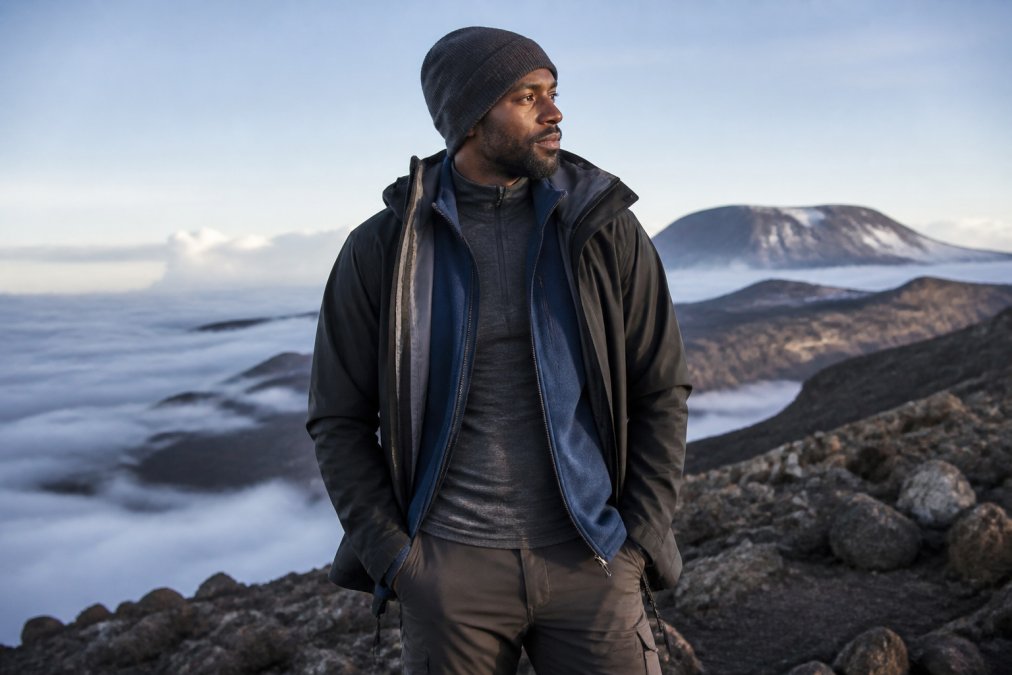
The layering system is your first line of defense against Kilimanjaro's extreme temperature swings. Unlike flat-terrain hiking, Kilimanjaro demands a sophisticated approach to moisture-wicking base layers, insulating mid-layers, and protective outer shells.
Base Layer Foundation
Your base layer is the foundation of thermal regulation. Most climbers choose cotton, which absorbs sweat and loses all insulating properties when wet. Moisture-wicking synthetic fabrics or merino wool pull perspiration away from your skin and maintain warmth even when damp.
Merino wool naturally regulates temperature, resists odor, and performs in both wet and dry conditions. Synthetic alternatives like polyester are lighter, cheaper, and dry faster. For Kilimanjaro's five-to-seven-day ascent, pack at least two complete base layer sets so you can rotate them while one dries.
Fit matters more than brand. Your base layer should be snug against your skin to maximize moisture transfer. Loose-fitting thermal underwear traps dead air that prevents proper heat management.
Mid-Layer Insulation
Your mid-layer traps warm air and provides insulation when stationary or moving slowly at altitude. Fleece jackets insulate even when damp and dry quickly, making them ideal for lower elevation sections. Down jackets compress into tiny packs and provide superior warmth-to-weight ratio for summit night, but lose all insulating properties if wet.
The strategy is to carry both. Wear fleece during the day when you're generating heat through movement and moisture is likely. Switch to down when stationary at camp or during the final summit push where temperatures drop to minus 15°F or lower and the air is dry.
Down jackets rated for sub-zero temperatures are essential for summit night. An 800-fill or higher down jacket compresses to the size of a large water bottle yet provides warmth equivalent to much heavier synthetic insulation. Many climbers rent down jackets specifically for this reason.
Outer Shell Protection
Your hard shell jacket and pants are your barrier against wind and precipitation. Kilimanjaro's weather is notoriously unpredictable, with clear mornings turning into afternoon rain and summit night bringing sustained winds that drain heat rapidly. A waterproof, breathable outer shell allows moisture from your body to escape while blocking wind and rain.
Gore-Tex and similar membrane fabrics are standard for high-altitude climbing. Cheap rain jackets trap moisture inside, turning your layers into a clammy, ineffective system. Look for jackets with pit zips (underarm vents) that let you dump excess heat without removing the entire jacket.
Waterproof trekking pants with full-length zippers let you vent heat during the day and seal up during rain or wind. Many climbers wear lightweight rain pants over their base layers rather than heavy insulated pants, which gives them flexibility to adjust as conditions change.
Footwear and Sock Selection for High-Altitude Terrain
Your feet are your most vulnerable asset on Kilimanjaro. Blisters, swelling, and cold-related injury end climbs faster than any other single factor. The right trekking boots and sock system prevent these problems before they start.
Trekking boots designed for high-altitude mountaineering are stiffer and more supportive than casual hiking boots. The boot's rigid sole distributes pressure evenly across your foot, reducing fatigue during long days. A well-fitted boot with a strong insole prevents the foot collapse that causes blisters.
Breaking in boots before your climb is non-negotiable. Wear them on progressively longer hikes for at least four weeks. New boots on Kilimanjaro will generate blisters by day two.
Merino wool socks wick moisture, regulate temperature, and resist blister-causing friction better than cotton or synthetic-only blends. Pack at least three pairs of high-quality merino hiking socks. Your feet will swell at altitude, so bring socks in two sizes: your normal size for lower elevations and one size larger for the final days when swelling peaks.
Gaiters prevent scree and dust from entering your boots during rocky sections above the tree line. They're lightweight, inexpensive, and save hours of discomfort from sand in your socks.
Sleeping Bag Temperature Ratings and Daypack Essentials
Your sleeping bag is where you recover and prevent altitude sickness. A four-season sleeping bag rated for minus 10°F minimum is the standard for Kilimanjaro (mountaineers.org). Temperature ratings are conservative; a bag rated to minus 10°F will keep you warm down to about minus 5°F in real conditions. The final push to summit happens at night when temperatures drop to minus 15°F or lower, so you need substantial cold-weather capacity.
Choosing the Right Sleeping Bag
Down-insulated bags offer the best warmth-to-weight ratio but are expensive and vulnerable to moisture. Synthetic bags perform well when damp and cost less, but they're heavier and bulkier. For a one-time climb, renting a quality down bag makes financial sense.
Mummy bags (tapered at the feet) retain heat more efficiently than rectangular bags. A sleeping bag liner adds another 10-15°F of warmth and lets you extend the life of your bag across different climates.
Your pad provides insulation from the cold ground and cushioning for comfort. A high-R-value pad keeps cold from conducting through the pad into your body. Closed-cell foam pads are durable and reliable. Inflatable pads are lighter but require repair kits and can fail at altitude.
Daypack Organization and Contents
Your daypack carries water, snacks, layers, and emergency supplies during daily climbs. A 20-30 liter pack is ideal, large enough for a hydration bladder and extra clothing, but small enough to avoid overloading.
A hydration bladder with a tube lets you drink without stopping. Staying hydrated is critical for acclimatization and preventing altitude sickness. Pack at least three liters of water capacity. Water purification tablets or a lightweight filter handle refills from mountain streams.
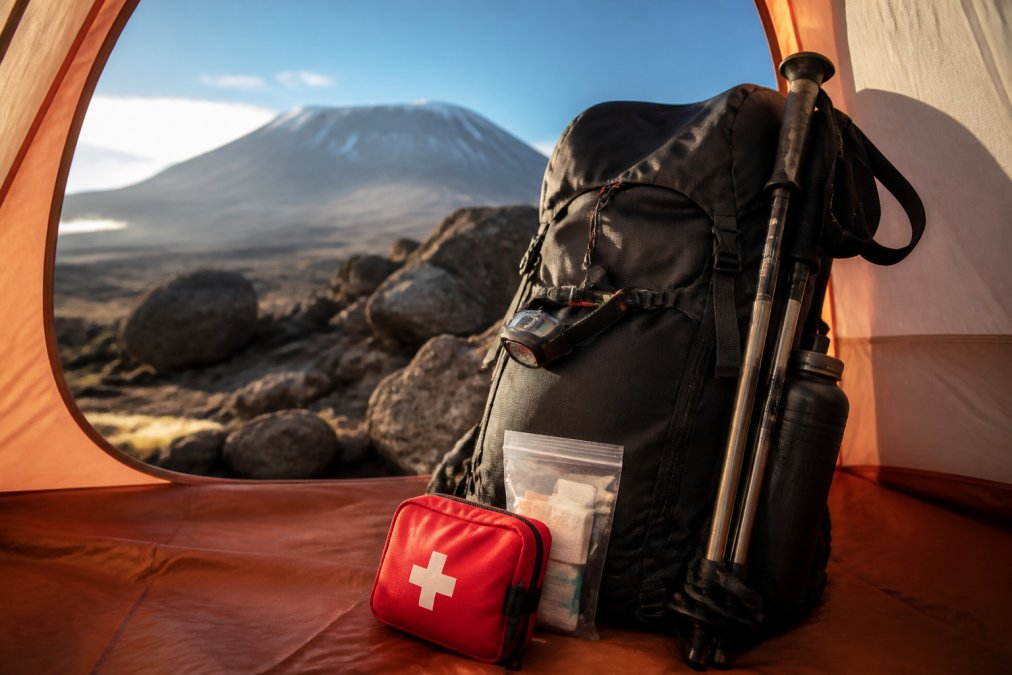
Your daypack should include a headlamp with spare batteries. Summit night begins at midnight, and you'll climb in darkness for 4-6 hours. A reliable headlamp with a red-light mode preserves night vision and conserves battery life.
Kilimanjaro Gear Rental vs. Buying: What Makes Sense
The rental versus buying decision depends on your climbing timeline and budget. If you're climbing once, renting saves money and eliminates storage burden. If you're planning multiple high-altitude climbs, buying quality equipment becomes economical.
Renting is ideal for: down jackets, four-season sleeping bags, high-altitude boots, and climbing poles. These items are expensive, specialized, and rarely used outside mountaineering. Simcha African Safaris Limited can provide guidance on gear rental options.
Buying makes sense for: base layers, mid-layer insulation, outer shell jacket and pants, socks, and personal items like headlamps and hydration bladders. These items have applications beyond Kilimanjaro and justify the investment if you're committed to high-altitude climbing.
A good rental bag costs $30-50 for a week. A quality down bag costs $400-600 to buy. If you're climbing once, renting is financially superior. If you're climbing twice, buying becomes the better investment.
Head, Neck, Hand, and Foot Protection
Summit night temperatures plummet to minus 20°F, and exposed skin develops frostbite within minutes. Your head, neck, hands, and feet lose heat rapidly at altitude, so protection in these areas is non-negotiable.
A thermal balaclava with fleece lining or merino wool construction traps warm air around your face and protects against wind-chill. Goggles or glacier glasses protect your eyes from sun reflection off snow and prevent altitude-related eye strain.
Insulated gloves rated for sub-zero temperatures are essential. Mittens provide more warmth than gloves because your fingers stay together, but mittens make it difficult to manipulate gear. Many climbers pack both: lightweight gloves for daytime use and insulated mittens for stationary periods and summit night.
Insulated gaiters cover the gap between your boot top and pants leg, preventing snow and cold air from reaching your ankle. Chemical toe warmers activate when exposed to air and provide sustained heat for 6-8 hours. Many climbers place toe warmers in their boots during summit night, a small cost that prevents frostbite.
Sun protection is critical at high altitude where UV radiation is 40% stronger than at sea level (peer-reviewed research). Sunscreen with SPF 50+ and a high-altitude lip balm with SPF prevent sunburn that accelerates dehydration and altitude sickness.
First Aid, Hygiene, and Personal Care on the Mountain
A personal first aid kit addresses injuries and illnesses that commonly occur on Kilimanjaro. Blisters, headaches, stomach upset, and minor cuts are routine. A well-stocked kit prevents these issues from escalating.
Pack blister prevention supplies: moleskin, athletic tape, and antibiotic ointment. Blister treatment on day two is far better than waiting until day four when the blister is infected.
Altitude sickness medication (acetazolamide) is prescribed by your doctor before the climb. Taking it consistently, starting 24 hours before your ascent, significantly improves your odds of reaching the summit.
Pain relievers, anti-diarrheal medication, and anti-nausea tablets address common mountain ailments. Ibuprofen reduces inflammation and pain. Loperamide stops diarrhea caused by altitude, exertion, or unfamiliar food. Ginger or ondansetron tablets manage nausea that often accompanies altitude sickness.
Hygiene on the mountain is minimal but important for morale and infection prevention. Pack biodegradable soap, a microfiber towel, and hand sanitizer. A small bottle of dry shampoo refreshes your hair without water. Wet wipes clean your face and neck when bathing is impossible.
Feminine hygiene products are often forgotten by female climbers. Pack extra supplies because restocking is impossible once you're on the mountain.
Sustainable Gear Choices and Post-Climb Maintenance
Choosing sustainable gear reduces your environmental impact and often improves durability. Kilimanjaro's ecosystem is fragile, and thousands of climbers annually means collective impact matters.
Look for gear made from recycled materials. Many outdoor brands now manufacture base layers, insulation, and shells from recycled plastic bottles or fishing nets. Down jackets made from ethically sourced down support animal welfare standards.
Durability extends gear life and reduces replacement waste. A quality jacket worn for 10 years has far lower environmental impact than two cheap jackets worn for five years each.
Post-climb maintenance preserves your gear and extends its usable life. Clean your boots after the climb to remove salt deposits and dirt that corrode leather and seams. Wash your base layers and mid-layer insulation according to manufacturer instructions. Store your sleeping bag uncompressed in a mesh storage bag; keeping it compressed in its stuff sack for months damages the insulation structure.
Inspect your gear annually for damage. Repair small tears in shells before they become large holes. Replace worn soles on boots before they fail on the mountain.
Preparing for Kilimanjaro demands strategic thinking about every piece of gear you carry. The mountain responds only to preparation. The kilimanjaro climbing gear checklist we've outlined prioritizes protection, weight efficiency, and proven performance. Request a quote with Simcha African Safaris Limited today, and our team will help you finalize your gear list based on your experience level, climbing timeline, and the specific conditions forecast for your summit push.
Frequently Asked Questions
Q: What gear do I absolutely need for climbing Mount Kilimanjaro?
A: Essential Mount Kilimanjaro climbing gear includes moisture-wicking base layers, a four-season sleeping bag rated for sub-zero temperatures, trekking boots with gaiters, a daypack (20-30 liters), a hard shell jacket, trekking poles, a headlamp with spare batteries, sun protection (hat, sunscreen, sunglasses), a first aid kit, and a hydration bladder. Your guide will advise on porter-supported gear transport. Many climbers rent specialized equipment locally to reduce luggage weight for altitude acclimatization.
Q: Should I rent or buy my Mount Kilimanjaro climbing gear?
A: Renting makes sense for expensive, single-use items like four-season sleeping bags and specialized hard shell jackets if you don't plan multiple high-altitude climbs. Buying is better for personal items (base layers, socks, first aid supplies) and gear you'll reuse on future treks. Consider kilimanjaro gear rental vs buying based on your budget and climbing frequency. Simcha African Safaris Limited can advise on what's worth purchasing versus renting locally.
Q: What clothing layers do I need at different altitudes on Mount Kilimanjaro?
A: Start with moisture-wicking base layers at lower elevations. As you climb toward the alpine zone and summit night, add a fleece mid-layer for insulation and a hard shell for wind and precipitation protection. At high-altitude zones above 13,000 feet, you'll need a down jacket for extreme cold. The kilimanjaro clothing layers guide emphasizes layering flexibility: you remove or add layers as temperature and exertion change, preventing moisture buildup that leads to hypothermia during acclimatization.
Q: What should I pack in my daypack versus my duffel bag?
A: Your daypack (20-30 liters) carries items you need during the day: water, snacks, headlamp, sun protection, a light layer, and your first aid kit. Your duffel bag goes with porters and holds base layers, sleeping bag, toiletries, and extra clothing. This separation keeps your kilimanjaro daypack essentials lightweight for summit night and allows porters to manage heavier gear. Most climbers keep daypacks under 15 pounds to maintain energy for altitude acclimatization.
Q: Do I need my own sleeping bag and trekking poles, or can I rent them?
A: A four-season sleeping bag rated for sub-zero temperatures is critical for summit night and difficult to fit in luggage. Most climbers rent locally to save weight and cost. Trekking poles reduce knee strain on steep descents and improve balance on rocky terrain, renting is economical if you don't own them. However, personal items like thermal underwear, socks, and base layers should be your own for comfort and hygiene during a multi-day climb.
Q: What electronics and personal items do I need for a 2026 Mount Kilimanjaro expedition?
A: Bring a headlamp with spare batteries (critical for summit night), a portable charger for your phone or camera, and any personal medications in original containers. Travel documents (passport, travel insurance) and copies stay in your daypack. Consider a lightweight camera for memories, but avoid heavy electronics that add weight during altitude acclimatization. A basic watch helps track acclimatization schedules. Simcha African Safaris Limited guides carry communication equipment, so personal electronics are optional but useful for personal documentation.
Q: How do I manage gear weight limits for porters on Mount Kilimanjaro?
A: Porters typically carry up to 30-40 pounds per climber (regulations vary by route and operator). Pack strategically: send non-essential items ahead or consider lighter alternatives. Rent bulky items like sleeping bags instead of shipping them. Wear your heaviest items (boots, jacket) rather than packing them. Simcha African Safaris Limited coordinates porter logistics and advises on weight distribution to ensure your gear arrives safely while respecting porter welfare and altitude acclimatization needs.
This article was written using GrandRanker


