

Table of Contents
- What Makes a Private Tanzania Wildlife Safari Different
- Private vs Group Safari Tanzania: Key Differences
- Best Time for Tanzania Wildlife Safari Planning
- Tanzania Safari Cost Per Day and Package Breakdown
- Customization and Tailor-Made Experiences
- National Parks and Wildlife Viewing Highlights
- Accessibility and Solo Female Traveler Considerations
- Conclusion
Last Updated: August 14, 2026
What Makes a Private Tanzania Wildlife Safari Different
A private Tanzania wildlife safari gives you exclusive access to game drives, customized itineraries, and dedicated guides that group tours cannot match. At Simcha African Safaris Limited, we design each expedition around your interests, pace, and preferences rather than forcing you into a predetermined schedule shared with strangers.
The core difference lies in flexibility and intimacy. Your 4x4 vehicle stops when you spot wildlife. Your guide tailors commentary to what you want to learn. You set the wake-up time, choose which national parks to visit, and decide whether you'd rather photograph lions at dawn or relax at your lodge. Group safaris operate on fixed schedules, predetermined routes, and shared vehicle space with 6-8 other tourists.
A private guide becomes your interpreter to the landscape, reading animal behavior, knowing where herds migrate seasonally, and understanding ecological relationships that make encounters meaningful. You're not competing with other vehicles for positioning when a leopard appears in a tree.
The trade-off is cost. Private safaris run higher per-person rates than group options. But for couples seeking intimacy, families wanting their own pace, or serious wildlife photographers needing flexible timing, the investment delivers irreplaceable experiences.
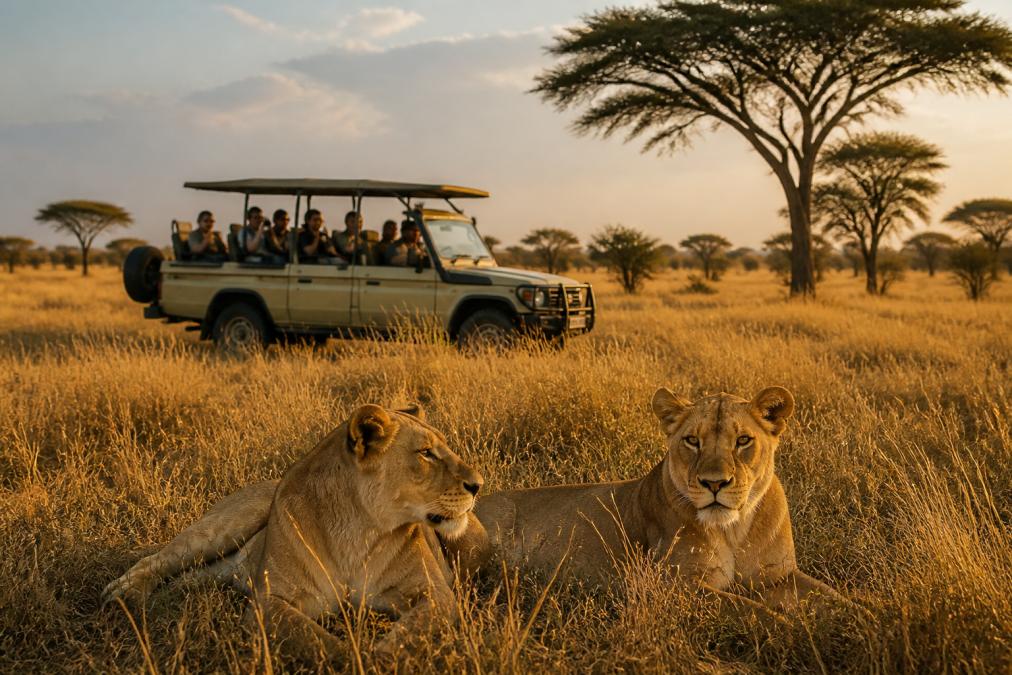
Private vs Group Safari Tanzania: Key Differences
Group safaris pool travelers into shared vehicles and standardized itineraries. Private safaris assign a dedicated vehicle, guide, and customizable route to your party alone.
Group safaris operate on fixed departure dates and predetermined routes. You share a vehicle with 6-8 strangers, reducing per-person costs but eliminating control over timing and stops. The guide follows a script optimized for average interests. You adapt to group schedules rather than the reverse.
Private safaris assign a vehicle and guide exclusively to your group. You decide when to wake, which parks to visit, and how long to stay at each location. If a rare bird appears, you wait. If the light is perfect for photography, you shoot. The guide customizes commentary to your knowledge level and interests.
| Aspect | Group Safari | Private Safari |
|---|---|---|
| Vehicle Sharing | 6-8 tourists per vehicle | Your group only |
| Itinerary | Fixed, predetermined | Fully customizable |
| Timing Control | Group schedule | Your schedule |
| Guide Flexibility | Standard narration | Personalized to your interests |
| Cost Per Person | Lower | Higher |
| Wildlife Photography | Competitive positioning | Exclusive access |
| Best For | Budget travelers, social groups | Couples, families, photographers |
Cost consideration: Group safaris typically cost less per day, while private expeditions cost more but deliver exclusivity. With Simcha African Safaris Limited, you're investing in an experience tailored to your exact vision.
Booking logistics differ too. Group safaris fill seats on scheduled departures. Private safaris require advance planning to coordinate your vehicle, guide, and route, demanding more lead time but offering freedom group travelers don't have.
Best Time for Tanzania Wildlife Safari Planning
The best time to book a private Tanzania wildlife safari depends on what you want to witness and your tolerance for crowds and heat.
Dry season (June through October) is peak safari season. Vegetation thins, animals concentrate around remaining water sources, and wildlife sightings become predictable. Game drives yield frequent Big Five encounters. Temperatures are moderate and photography conditions shine. The trade-off: lodges fill quickly, prices peak, and you'll share parks with other visitors.
Wet season (November through May) splits into two periods. Short rains (November-December) bring lush vegetation and fewer tourists. Long rains (March-May) see heavy afternoon downpours and muddy roads. Lodges offer deep discounts, and you'll have parks nearly to yourself. This period suits adventurous travelers seeking dramatic light and intimate wildlife encounters.
Shoulder seasons (late October, early November, late February, early March) balance wildlife viewing with manageable crowds and prices below peak rates.
For the great migration, when hundreds of thousands of wildebeest and zebras move through the Serengeti, timing is critical. The migration typically flows through the Serengeti's northern regions June through August, then moves south December through February.
Planning tip: Book your private Tanzania wildlife safari 3-4 months in advance for dry season, or 6-8 weeks ahead for shoulder seasons.
Tanzania Safari Cost Per Day and Package Breakdown
The cost of a private Tanzania wildlife safari varies based on accommodation type, number of days, guide experience, and vehicle configuration.
Daily rates for private safaris depend on your lodge or camp choice. Budget-conscious travelers might choose basic tented camps. Mid-range lodges offer private rooms and better meals at moderate rates. Luxury properties provide all-inclusive experiences with premium guides and gourmet dining.
A typical private safari package includes your 4x4 vehicle, dedicated guide, park entrance fees, game drives, meals, and lodging. It typically excludes international flights, travel insurance, tips, and personal expenses.
Sample breakdown for a 5-day private safari:
- Vehicle and guide: covers daily game drives and fuel
- Accommodation: varies by lodge tier
- Park fees: entrance charges for Serengeti, Ngorongoro, Tarangire, or other parks
- Meals: typically included at lodges
- Transfers: airport pickup and drop-off
Add-on experiences that increase total cost include hot air balloon sunrise flights, bush breakfasts, sundowners, and cultural visits to Maasai villages.
Simcha African Safaris Limited designs packages flexible enough to fit 3-day quick escapes or 7-day comprehensive expeditions.
Budget strategy: Allocate roughly 40-50% of your safari budget to accommodation, 30-35% to vehicle and guide, and 15-20% to activities and meals.
Customization and Tailor-Made Experiences
The power of booking a private Tanzania wildlife safari lies in designing an itinerary that reflects your interests, fitness level, and travel pace.
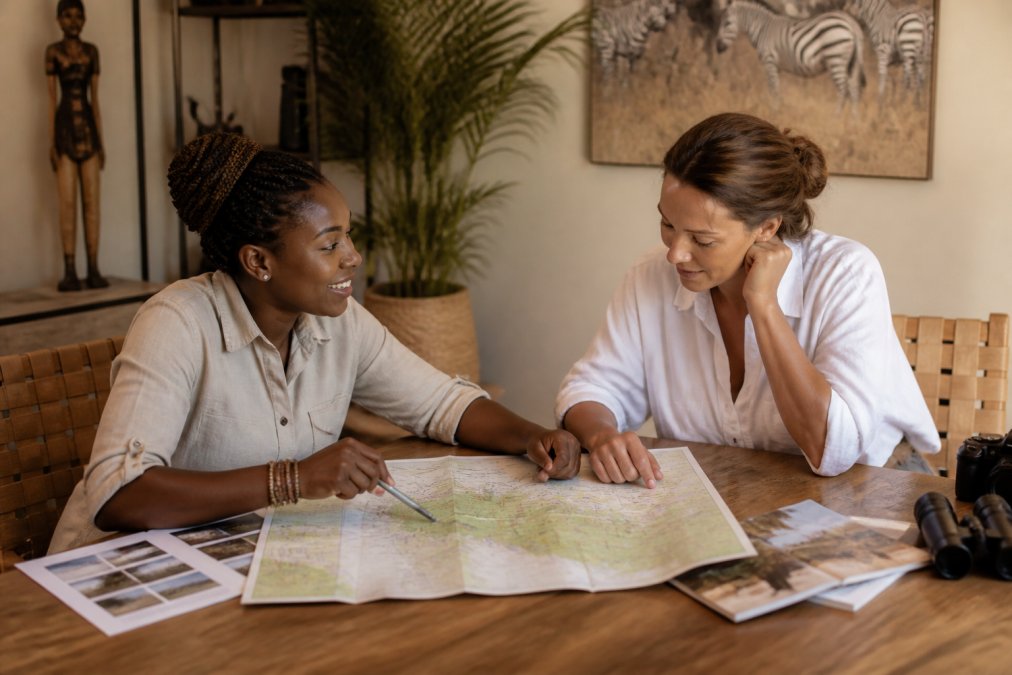
Tailor-made safaris start with a conversation about what draws you to Tanzania. Are you a wildlife photographer? A birdwatcher? A couple seeking romance and adventure? A family with young children? Your guide and travel designer craft an itinerary matching your vision.
Route customization lets you choose which parks to visit. The Serengeti offers vast plains and massive herds. The Ngorongoro Crater concentrates wildlife in a dramatic caldera. Tarangire excels for elephant herds and baobab trees. Selous Game Reserve provides off-the-beaten-path solitude. A private safari lets you skip parks that don't interest you and spend extra days in landscapes that do.
Activity selection varies too. Early morning game drives suit serious wildlife viewers. Midday rest periods work for those avoiding heat. Bush breakfasts, eating in the field while watching animals, create intimate moments. Sundowners offer reflection time. Hot air balloon rides provide aerial perspective. Cultural village visits connect you to local Maasai communities.
Pace control is crucial. Some travelers want back-to-back game drives maximizing sightings. Others prefer leisurely mornings and selective evening drives. Families with young children need flexibility for rest days. Your private guide accommodates these rhythms without compromise.
Accommodation selection within your budget tier adds another customization layer. Do you prefer the immersion of a tented camp under stars, or the comfort of a lodge with hot showers and reliable electricity?
Timing flexibility distinguishes private safaris from group tours. If the great migration passes through on day three, your guide can adjust the route to position you for that encounter.
This customization requires advance planning and honest conversation with your travel designer about priorities, budget, and physical capabilities. The result is a safari designed for you, not a compromise between competing interests.
National Parks and Wildlife Viewing Highlights
Tanzania's protected areas offer distinct ecosystems and wildlife concentrations.
The Serengeti spans nearly 5,700 square miles of open plains, woodlands, and riverine forests. Big cats thrive here in visible densities. The great migration of wildebeest and zebras creates dramatic river crossings and predator-prey interactions. Serengeti safaris suit those seeking classic African wildlife drama and photography opportunities.
Ngorongoro Crater concentrates wildlife in a UNESCO World Heritage site. This collapsed volcano creates a natural amphitheater where thousands of animals live in dense populations. The crater floor offers reliable Big Five sightings in a compact area. A day or two yields intense wildlife viewing in dramatic terrain.
Tarangire National Park excels for elephant herds and baobab trees. During dry season, animals concentrate around the Tarangire River, creating excellent game drive conditions. The landscape feels less crowded than Serengeti or Ngorongoro, offering a more intimate experience.
Selous Game Reserve stretches across 30,000 square kilometers of remote wilderness. This vast reserve sees fewer visitors than northern parks, making it ideal for travelers seeking off-the-beaten-path experiences. Selous offers boat safaris on the Rufiji River, a unique vantage point for wildlife viewing. The reserve supports healthy populations of wild dogs, hippos, and crocodiles.
Lake Tanganyika offers a different safari dimension. This ancient freshwater lake hosts unique fish species, hippos, and crocodiles. Snorkeling and scuba diving reveal underwater ecosystems. Combining lake activities with traditional safaris creates a more diverse expedition.
Each park delivers distinct experiences. A comprehensive private Tanzania wildlife safari might combine Serengeti for big cats, Ngorongoro for concentrated wildlife, and Tarangire for elephants.
Accessibility and Solo Female Traveler Considerations
Not every traveler arrives at a safari with the same physical capabilities or safety concerns.
Physical accessibility matters for those with mobility limitations. Game drives involve sitting in a vehicle for 4-6 hours daily, with rough terrain and occasional bumps. Lodges vary in accessibility; some have level walkways and accessible rooms; others require stairs and uneven paths.
When booking, discuss your specific needs with your travel designer. Some operators can arrange vehicles with extra cushioning or lodges with accessible facilities. Shorter game drives, midday rest periods, and careful route selection accommodate various fitness levels.
Solo female travelers should know that safety depends on guide professionalism, lodge security, and your own awareness. Reputable operators screen guides thoroughly and maintain secure accommodations. Most guides are protective of solo travelers and understand safety concerns.
Practical safety measures:
- Book through established operators with verified reviews
- Confirm your guide's experience and background
- Share your itinerary with someone at home
- Keep copies of important documents separate from originals
- Avoid displaying expensive jewelry or camera gear openly
- Stay aware of your surroundings, especially in lodges and towns
Many solo female travelers report that safaris feel safer than city travel because guides maintain close supervision and lodges offer secure compounds.
Solo traveler economics: Most safari operators charge per-person rates, meaning solo travelers pay the full private safari rate without sharing costs. Some operators offer shared-vehicle options pairing solo travelers with couples or small groups, reducing costs while maintaining some customization.
Conclusion
Booking a private Tanzania wildlife safari requires balancing your interests, budget, and available time, then trusting an operator who understands your vision. A private safari delivers what group tours cannot: exclusivity, flexibility, and experiences designed specifically for you.
Simcha African Safaris Limited specializes in these bespoke expeditions, combining expertly guided game drives through UNESCO World Heritage sites with flexible durations ranging from 3 to 7 days. Beyond the safari itself, our handcrafted African art, from Mpingo wood elephant sculptures starting at $130 to hand-painted oil canvases at $160, lets you bring the beauty of Tanzania home. Request a Quote today and describe your ideal safari. We'll design an itinerary that turns your vision into an unforgettable adventure.

Frequently Asked Questions
How much does a private safari in Tanzania cost?
Private safari pricing varies based on duration, season, and included services. A typical private Tanzania wildlife safari ranges from $2,500 to $8,000+ per person for 5-7 days, depending on accommodation type (luxury lodge vs. tented camp), vehicle type, guide expertise, and whether meals and activities like game drives are all-inclusive. Peak season (July-October) costs more than shoulder seasons. Request a personalized quote to understand exact pricing for your dates and preferences.
What is the best time of year to book a private wildlife safari?
The best time for Tanzania wildlife safari depends on what you want to see. June through October offers cooler temperatures and excellent Big Five viewing as animals gather at water sources. January through February brings the great migration's calving season in the southern Serengeti. November through May offers fewer tourists, lush landscapes, and lower prices. Book 3-6 months in advance for peak season; shoulder seasons allow more flexible booking windows. Consider your fitness level and crowd preferences when choosing your timing.
What's included in a private safari package?
Most all-inclusive private safari packages include accommodation (lodge or tented camp), daily game drives in a 4x4 vehicle with a private guide, meals, park entry fees, and activities like bush breakfasts or sundowners. Some packages add extras: hot air balloon rides, cultural visits, or specialized wildlife photography guidance. Confirm what's covered before booking, transportation to/from the airport, travel insurance, and tips are often separate. Ask about customization options to add activities matching your interests.
Is a private safari worth the extra cost compared to a group tour?
Private safaris cost more but offer distinct advantages: your guide focuses entirely on your group, itineraries adapt to your pace and interests, and you avoid crowded game drives. Private guides provide deeper knowledge about wildlife behavior and can spend time on subjects you care about, whether wildlife photography, bird watching, or cultural encounters. For couples, families, or travelers with specific mobility needs, the personalized experience and flexibility justify the premium. Group tours work well for budget-conscious solo travelers seeking social connection.
How far in advance should I book a private safari?
Book 3-6 months ahead for peak season (June-October) to secure your preferred dates and accommodations. Shoulder seasons (November-December, March-May) allow 6-8 weeks' notice. Off-season bookings can sometimes be arranged with 4-6 weeks' lead time. Early booking ensures better accommodation choices, guides availability, and time for detailed itinerary customization. Last-minute bookings are possible but may limit your options and increase costs. Contact a travel designer early to discuss your vision and secure your spot.
This article was written using GrandRanker


