

Table of Contents
- Luxury vs Budget Tanzania Safari Cost: Quick Comparison
- What Is Included in a Budget Safari
- What Is Included in a Luxury Safari
- Daily Cost Breakdown Per Person: Budget vs Luxury
- How Many Days for Tanzania Safari: Duration and Pricing
- Private vs Group Safari Tanzania: Cost and Experience Differences
- Factors Influencing Safari Price and Hidden Costs
- Best Time to Visit for Cost Savings
Last Updated: August 27, 2026
Luxury vs Budget Tanzania Safari Cost: Quick Comparison
When planning a Tanzania safari, the price gap between luxury and budget options reflects real differences in the entire experience architecture. Your choice depends less on your bank account and more on what you actually value. Some travelers get genuine satisfaction from a well-run budget safari, they see the same wildlife and spend less. Others find that budget constraints create friction that undermines the trip. Most fall somewhere between these poles.
| Aspect | Budget Safari | Luxury Safari |
|---|---|---|
| Daily Cost Per Person | $150-300 | $400-800+ |
| Accommodation | Basic lodge or tented camp | High-end lodge or exclusive camp |
| Vehicle | Shared 4x4, 6-8 people | Private or small group 4x4, 2-4 people |
| Meals | Simple, communal dining | Full board, dietary customization |
| Game Drives | Group departures, fixed times | Private or small group, flexible timing |
| Guide Experience | Varied, shared among groups | Dedicated private guide or expert team |
| Park Fees | Included | Included |
| Best For | Budget-conscious travelers, groups | Couples, honeymoons, premium experience seekers |
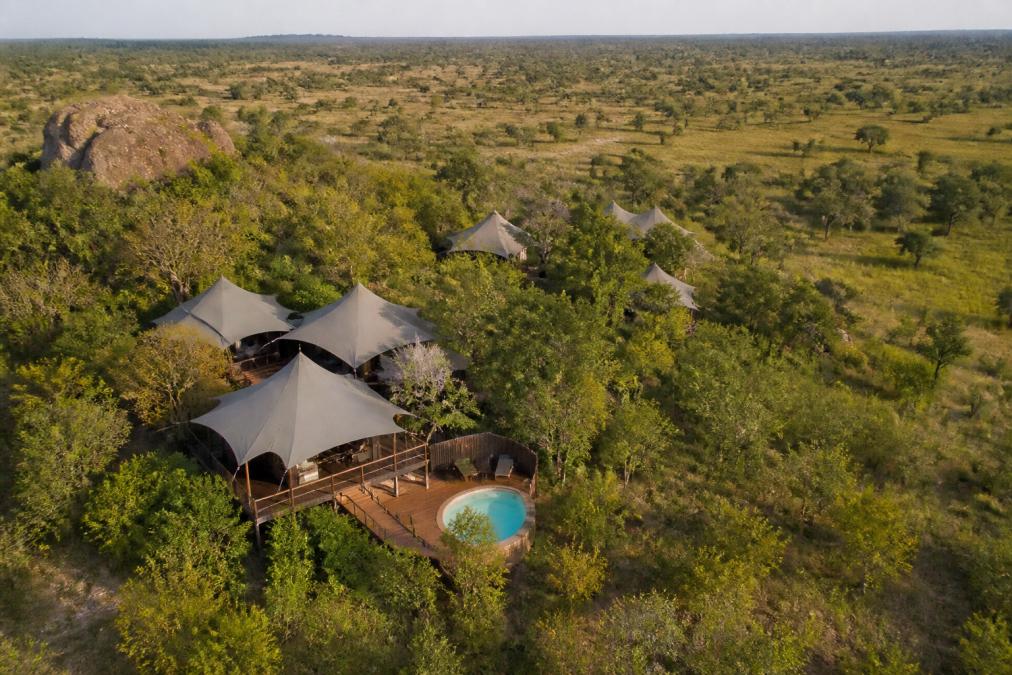
The real question isn't which option is "better," it's which trade-offs you're willing to accept. Budget safaris require flexibility and patience; you'll share resources and sometimes wait for logistics to align. Luxury safaris eliminate those friction points but cost significantly more. Both deliver authentic wildlife encounters in world-class national parks.
What Is Included in a Budget Safari
A budget safari includes the essentials: park entry, basic accommodation, transportation, and game drives. Most budget safaris cover accommodation in a simple lodge or basic tented camp, functional with a bed, bathroom, and sometimes electricity. Meals are typically included: breakfast before early game drives, lunch at midday, and dinner in the evening. The food is straightforward and filling, though dietary customization is limited.
Game drives are included but shared with other guests, typically 6-8 people per 4x4 Land Cruiser, on fixed schedules. Your guide may rotate between groups, so you don't get continuity across multiple days. Internal transfers between parks and lodges are included, usually by road, which takes time but costs less than internal flights.
What's often NOT included: park conservation levies ($50-100 per park per day), international flights, travel insurance, tips for guides and staff, and activities beyond standard game drives like hot air balloon rides or walking safaris. Budget another $200-400 for miscellaneous costs on top of the quoted daily rate.
The budget safari works best if you're traveling in a group, have flexible expectations, and enjoy the social aspect of shared travel. You'll see the same wildlife and landscapes as luxury travelers but experience it with a different rhythm and group of people.
What Is Included in a Luxury Safari
A luxury safari is fundamentally about removing friction and personalizing the experience. Accommodation is where the difference becomes immediately obvious. Luxury properties feature spacious suites or standalone tented villas with en-suite bathrooms, sometimes outdoor showers overlooking the savanna, and amenities like air conditioning, Wi-Fi, and quality linens.
Meals at luxury properties are multi-course, prepared by trained chefs, with dietary preferences accommodated without asking twice. Wine and premium spirits are typically included. Game drives are private or small-group (2-4 people maximum) with a dedicated guide for your stay who learns your interests and skill level. If you want to linger at a leopard sighting instead of rushing to the next location, you do.
Internal transfers often include private aircraft flights between parks, a journey that takes 8 hours by road takes 45 minutes by bush plane. Park fees, conservation levies, most meals, and premium drinks are included. Some luxury packages include activities like hot air balloon rides, walking safaris, or cultural visits.
What you're paying for in a luxury safari is personalization, seamlessness, and elimination of logistical stress. You're not seeing different wildlife than budget travelers, but you're seeing it on your terms with an expert guide who knows your preferences, without sharing your vehicle with strangers, and without spending half your day traveling between locations.
Daily Cost Breakdown Per Person: Budget vs Luxury
Understanding where your money goes clarifies the value proposition of each option.
Budget Safari Daily Cost Breakdown:
- Accommodation: $50-80
- Meals (breakfast, lunch, dinner): $30-50
- Game drives and vehicle: $40-60
- Park fees and conservation levies: $50-100
- Guide services: $20-30
- Total: $190-320 per person daily
This assumes you're traveling with at least 4-6 people sharing the vehicle and guide. Solo travelers or pairs pay significantly more per person because fixed costs divide among fewer people.
Luxury Safari Daily Cost Breakdown:
- Accommodation: $200-400
- Meals and premium beverages: $80-150
- Private vehicle and fuel: $100-150
- Dedicated guide: $60-100
- Park fees and conservation levies: $50-100
- Activities (balloon rides, walks, cultural visits): $50-150
- Total: $540-1,050 per person daily
The per-person gap widens or narrows based on group size. A couple on a private safari pays more per person than a couple in a budget group. A family of four on a private safari might pay only slightly more per person than a couple, because fixed costs distribute across more people.
Duration matters too. A 3-day budget safari costs less total than a 7-day luxury safari, but it compresses the experience. A 5-7 day safari allows you to settle into a rhythm with your guide and location, which is when the real magic happens.
How Many Days for Tanzania Safari: Duration and Pricing
The duration question shapes both cost and quality of experience.
3-Day Safari ($450-960 total per person) This is the minimum for a meaningful safari. You'll spend one full day traveling to the park, one day game driving, and one day traveling back. You see wildlife but are constantly in transit.
5-Day Safari ($750-1,600 total per person) This is the sweet spot for most travelers. You have 3 full days of game drives, giving you genuine time to settle into the landscape and develop a rhythm with your guide. You see different areas and experience the ecosystem's variation.
7-Day Safari ($1,050-2,240 total per person) This allows you to visit multiple parks or spend extended time in one ecosystem. You can do specialized activities without sacrificing game drive time.
10+ Day Safari ($1,500-3,200+ total per person) This is for travelers combining Tanzania safari with other experiences like Mount Kilimanjaro trekking or Zanzibar beach time.
A 5-day safari is genuinely better than a 3-day safari for wildlife viewing. A 7-day safari is better still, but the marginal improvement diminishes. Simcha African Safaris Limited offers flexible durations ranging from 3 to 7 days, allowing you to customize the length to match your schedule and priorities.
Private vs Group Safari Tanzania: Cost and Experience Differences
The private-versus-group decision is where most travelers feel the tension between budget and experience quality.
A group safari combines multiple travelers, typically 4-8 people who don't know each other. You share a vehicle, guide, and often meals. The cost per person is lower because fixed expenses divide across more people. A group safari typically costs $150-300 per person daily for budget options.
The trade-offs are real. You can't control the group's interests or pace. If someone wants to spend 90 minutes photographing a single bird species, everyone waits. You have less privacy and flexibility. But group safaris have genuine advantages: the social element creates bonding, you hear different perspectives, and the cost savings are substantial. A well-run group safari with a skilled guide and compatible travelers is genuinely excellent.
A private safari means you have a dedicated vehicle and guide (or small group of 2-4 close friends or family). You control the pace, timing, and focus. If you want to spend three hours at a leopard sighting, you do. Private safaris cost $400-800+ per person daily, but that's misleading because group size matters enormously. A couple on a private safari might pay $800 per person daily, but a family of four might pay only $500 per person daily because the vehicle and guide cost the same regardless of group size.
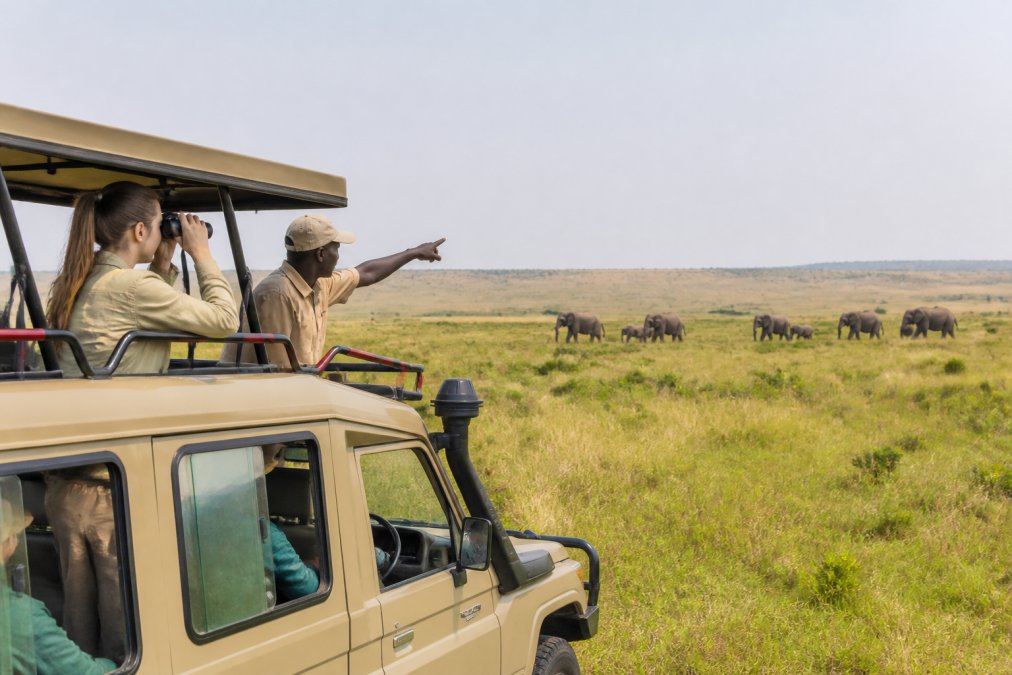
The private safari works best if you're traveling with people you know well or have specific interests requiring customization. It's the obvious choice for honeymoons or specialized wildlife photography. The quality difference between a well-run group safari and a private safari is smaller than the cost difference suggests. Both can deliver extraordinary wildlife encounters. The real advantage of private is control and flexibility, not necessarily better wildlife viewing.
Factors Influencing Safari Price and Hidden Costs
Several variables shift the cost equation beyond the simple budget-versus-luxury framework.
Seasonality is the biggest lever. Peak season (June-October) offers the best weather and most reliable wildlife viewing, with prices 30-50% higher than shoulder season (March-May, November-December). Off-season (January-February) offers discounts of 40-60%, but wildlife viewing is less predictable and some lodges close.
Park selection matters. The Serengeti and Ngorongoro Crater are the most famous and expensive. Tarangire, Arusha, and Lake Manyara are less crowded and less expensive. You'll see similar wildlife in less famous parks, often with lower prices.
Accommodation tier within budget and luxury categories creates significant variation. A basic budget lodge costs less than a mid-range budget property. Within luxury, there's enormous range.
Internal flights versus road transfers dramatically affect total cost. A bush plane flight between parks costs $200-400 per person, while a road transfer costs $50-100 but consumes 8+ hours (peer-reviewed research). Luxury packages often include flights; budget packages rarely do.
Park conservation levies and fees vary by park and are often quoted separately. The Serengeti charges $50-70 per day (tanzaniaparks.go.tz). Ngorongoro charges $75-80 per day. These add up across a week-long safari.
Hidden costs that travelers often overlook:
- Tipping: guides, drivers, and lodge staff typically expect 10-15% of your package cost
- Travel insurance: $200-500 for a 2-week trip
- Visa fees: roughly $100-150 for US citizens
- International flights: $800-1,500 from the US
- Activities beyond game drives: hot air balloon rides ($300-500), cultural visits ($100-200)
A quoted budget safari at $200 per person daily can easily become $350 per person daily once you factor in park fees, tips, and activities. When comparing quotes, ask explicitly what's included and what costs extra. The cheapest quote isn't always the best value.
Best Time to Visit for Cost Savings
Timing your safari strategically can reduce costs by 30-60% without significantly compromising wildlife viewing.
Peak season (June-October) offers the best wildlife viewing but the highest prices. The weather is dry, animals congregate around water sources, and visibility is excellent. Prices are 30-50% higher than other seasons.
Shoulder season (March-May and November-December) offers a middle ground. Weather is generally good, wildlife viewing is reliable, and prices are 20-30% lower than peak season. March-May has the advantage of fewer tourists. November-December brings the short rains but also dramatic landscapes and excellent bird watching.
Off-season (January-February) offers the deepest discounts, 40-60% off peak prices. But this is the hottest, most humid time of year. Some lodges close. Wildlife is more dispersed because water is available throughout the landscape. This season works if you're flexible and budget-conscious.
According to Tanzania National Parks Authority wildlife management guidelines, the dry season (June-October) provides optimal conditions for wildlife viewing. However, off-season viewing is simply different, not poor.
The best value for most travelers is shoulder season, particularly March-May. You get reliable wildlife viewing, fewer tourists, and meaningful cost savings. If you're flexible on dates, traveling during shoulder season can save you $500-1,000 on a week-long safari compared to peak season.
Planning a safari in Tanzania means balancing cost against experience quality, but the relationship between price and value isn't linear. A budget safari with a skilled guide in shoulder season can deliver more satisfaction than a luxury safari during off-season with mediocre logistics.
Simcha African Safaris Limited specializes in customizing safaris that match your actual priorities, whether that's minimizing cost, maximizing comfort, or finding the sweet spot between them. Our team can help you navigate the trade-offs, identify the best timing for your budget, and build an itinerary that delivers genuine value.
To bring the beauty of your safari home, consider our handcrafted African art pieces. The Kilimanjaro warrior oil painting ($175.00) captures the spirit of the landscape you'll experience, while our Elephant family sculpture in Mpingo wood ($140.00) serves as an authentic reminder of the wildlife you'll encounter.


Request a quote from Simcha African Safaris Limited today and discover how we customize your safari to match your budget, timeline, and vision for an unforgettable Tanzania adventure.
Frequently Asked Questions
How much does a luxury vs budget Tanzania safari cost per person?
A budget safari typically costs $150-$250 per person daily for all-inclusive packages, while luxury safaris range from $400-$800+ per person per day. Budget options include basic lodge accommodation, game drives, and meals. Luxury safaris add private guides, exclusive use vehicles, premium lodges or tented camps, and personalized itinerary customization. The difference reflects accommodation quality, guide expertise, park concession access, and service level.
What is actually included in a budget safari package?
Budget safaris typically include shared accommodation (dormitory-style or basic rooms), group game drives in 4x4 land cruisers, park entry fees, conservation levies, and full board meals. Most exclude international flights, visa fees, travel insurance, and tips. Some budget operators charge separately for internal transfers or bush plane flights. Always confirm what is included before booking, as definitions vary between operators.
How many days for Tanzania safari should I plan for value for money?
A 3-day safari covers one major park and costs $450-$750 for budget travelers. A 5-day safari ($750-$1,500 budget) allows multiple parks and better wildlife viewing odds. Seven days ($1,050-$2,100 budget) provides immersive experience with lower daily rates and time for cultural activities. Longer safaris offer better per-person sharing costs and increase game viewing success rates, making them better value despite higher total cost.
Is the price difference between private vs group safari Tanzania worth it?
Private safaris cost 40-60% more than group joining safaris but offer exclusive use vehicles, personalized timing, and dedicated guides. Group safaris reduce per-person sharing costs by splitting vehicle and guide fees across 4-6 travelers. Choose private if you value flexibility and customization; choose group if budget is primary and you enjoy meeting other travelers. Both provide excellent wildlife viewing and game drives.
What hidden costs should I budget for beyond the safari package?
Budget for international flights ($600-$1,200), visa fees ($50-$100), travel insurance ($100-$300), tips for guides and staff (10-15% of total cost), and personal purchases like handcrafted African art or souvenirs. Park fees and conservation levies are usually included in all-inclusive packages but confirm this. Internal flights for multi-park safaris add $200-$400 per flight. Account for these when comparing total trip cost.
This article was written using GrandRanker


