

Table of Contents
- The Honest Answer: When Climbing Kilimanjaro Is Worth It
- Kilimanjaro Climbing Cost Breakdown: What You Actually Pay For
- Kilimanjaro Success Rates by Route: Which Path Gives You the Best Odds
- How to Prepare for Kilimanjaro at Fifty: Training, Gear, and Mindset
- The Worth Beyond the Summit: Recovery, Ethics, and What You Bring Home
- Verdict: Is the Cost of Climbing Kilimanjaro Justified?
- Frequently Asked Questions
Last Updated: September 16, 2026
The Honest Answer: When Climbing Kilimanjaro Is Worth It
Is climbing Kilimanjaro worth the cost? For most travelers who complete the trek, yes, provided they book with a licensed operator and understand the full financial picture before committing. At Simcha African Safaris Limited, we plan these expeditions regularly, and the climbers who feel the cost was justified almost always share one trait: they knew what they were paying for before they arrived.
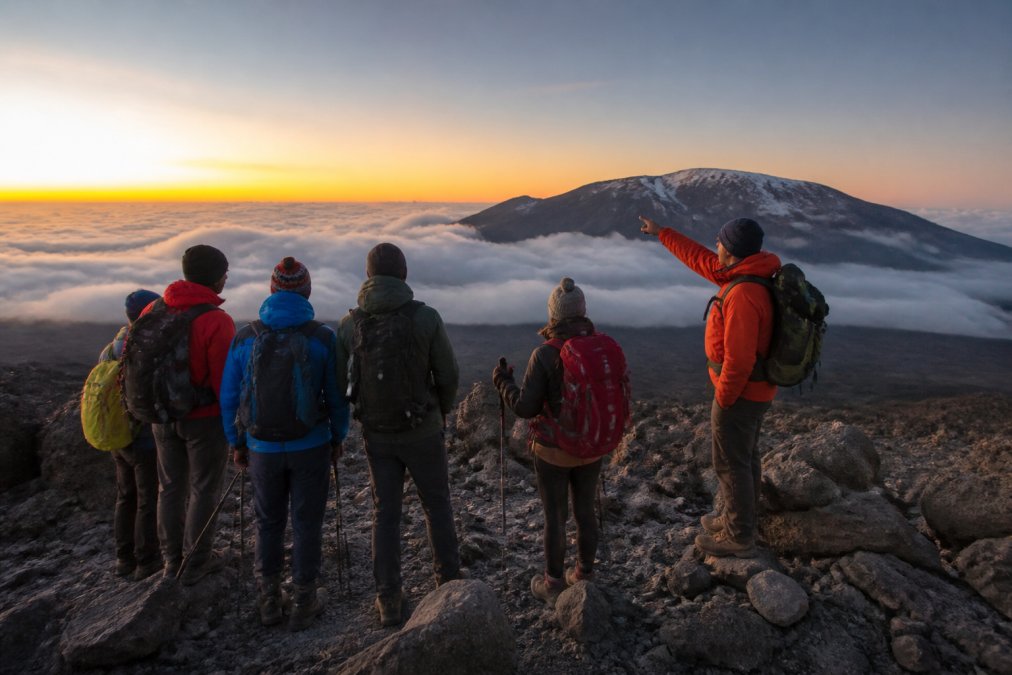
The honest answer depends on three things: budget flexibility, physical preparation, and expectations. A cheap expedition that cuts corners on safety or staff pay is never worth it; a well-run climb that gets you to the summit safely is worth every dollar.
Kilimanjaro Climbing Cost Breakdown: What You Actually Pay For
A Kilimanjaro climbing cost breakdown comes down to four buckets: park fees and permits, staff wages, logistics, and operator margin. Understanding each helps you spot an underpriced trip before you book it, and operator transparency is your best screening tool.
Permits, Park Fees, and Taxes
Park fees are set by the managing authority and apply to every climber regardless of operator. These fees cover conservation, rescue coordination, and campsite maintenance. Because official rates change periodically, ask your operator for a current itemized quote rather than relying on old forum posts. The official Tanzania National Parks tariff information is the authoritative source for current fee schedules.
The park fee is not a flat number.
Guides, Porters, and Camp Staff
A licensed climb carries a full crew: guides, assistant guides, cooks, and porters, scaling with group size and route length. This is the line item budget operators cut first, and the one you should never accept a discount on, fewer porters means heavier loads, faster fatigue, and a less safe mountain.
A useful sanity check is the porter-to-climber ratio: expect several porters per climber, plus at least one licensed guide and one assistant guide for a small group.
Hidden Costs Most Climbers Miss
The sticker price rarely covers everything. Plan for these:
- Gear rental for items you do not own (sleeping bag, down jacket, trekking poles, and headlamp are the most commonly rented)
- Tipping for the crew, which is customary and expected, and is typically budgeted as a per-climber, per-day amount rather than a rounding-up gesture
- Travel insurance that specifically covers high-altitude trekking, which standard policies usually exclude
- Visa fees and any required vaccinations
- A recovery night in a hotel before your flight home
- Airport transfers, meals in town before and after the trek, and any single-supplement charge if you are climbing alone
The Recovery Cost Nobody Budgets For
This is the line item almost every cost guide skips. The climb does not end when you sign the summit register, it ends when your body has re-acclimatized, rehydrated, and stopped aching, and that takes days, not hours.
Budget at least one full rest day in town after descent, two if your schedule allows.
How to Read an Operator Quote
When you compare quotes, do not compare totals, compare what sits inside each total. Ask for the permit line, crew size, acclimatization days, gear included, and whether tips are pre-collected. Two quotes that differ widely almost always differ on one of those five items, and the cheaper one usually cut a day, a porter, or a safety margin.
Kilimanjaro Success Rates by Route: Which Path Gives You the Best Odds
Kilimanjaro success rates by route vary mainly because of one variable: how many days the itinerary gives you to acclimatize.
The Named Routes and What They Actually Cost You
The established routes fall into three practical tiers based on days on the trail.
- Short routes (5-6 days): The Marango route is the classic example, the only route with hut accommodation instead of tents, which makes it the cheapest on paper.
The ROI Calculation Nobody Runs
The trade-off in plain terms: a short route saves permit fees, crew wages, and food, the three biggest variable costs, but raises your probability of turning back before the summit. Turn back, and you have paid for the climb without receiving the thing you came for.
A long route costs more up front, more permits, crew wages, and food, but it buys acclimatization, the single strongest predictor of reaching the top.
What Actually Determines Success
Altitude sickness is the single biggest reason climbers turn back, and a slower itinerary gives your body time to adjust to falling oxygen levels. Beyond route length, the other factors that move the needle are:
- Pacing on summit night. Climbers who walk slowly and steadily outperform climbers who push hard and burn out before the final ridge.
- Hydration. Dehydration mimics and worsens altitude symptoms, and it is the most common self-inflicted problem on the mountain.
- Honest self-assessment. Guides can read the signs, but climbers who report their symptoms early give the crew a chance to adjust pace, add a rest, or turn back before a minor issue becomes a serious one.
- Prior altitude experience. Climbers who have spent time at high elevation before tend to handle the summit push better, though this is a tendency, not a guarantee.
The Route Decision in One Sentence
Choose the longest route your budget and schedule can absorb, and treat the extra days as the purchase, not the cost. Climbers who regret the expense usually optimized for the shortest itinerary and watched the summit slip away.
How to Prepare for Kilimanjaro at Fifty: Training, Gear, and Mindset
Learning how to prepare for Kilimanjaro at fifty starts with honest physical conditioning, not last-minute gym sessions.
The Worth Beyond the Summit: Recovery, Ethics, and What You Bring Home
The value of a Kilimanjaro expedition does not end at the summit sign.
Verdict: Is the Cost of Climbing Kilimanjaro Justified?
The cost of climbing Kilimanjaro is justified when you treat it as a guided expedition, not a bargain hunt.
Frequently Asked Questions
Is Kilimanjaro worth the hype?
For most climbers, yes, but the value depends on preparation and expectations. The Kilimanjaro cost covers permits, guides, porters, food, and camping equipment, and a well-run expedition makes the experience safer and more comfortable. The summit itself is only part of the reward; the landscapes, the camaraderie, and the sense of completing something genuinely hard are what people remember. If you go with a budget operator that cuts corners, the experience can feel rushed and unsafe. Choose a route with a high Kilimanjaro success rate and a realistic acclimatization profile, and the hype usually holds up.
How much does it typically cost to climb Kilimanjaro?
The cost of a guided climb depends on route, group size, and operator quality. This figure typically includes national park fees, camping equipment, meals, guides, and porters. Budget operators may quote less, but they often skip proper acclimatization days or underpay staff. Luxury or all-inclusive packages cost more and add private toilets, better tents, and higher porter ratios. Add flights, travel insurance, gear rental, and tipping culture expectations on top of the base price.
Which is harder, Machu Picchu or Kilimanjaro?
Kilimanjaro is harder in terms of altitude. Machu Picchu sits around 2,430 meters, while Kilimanjaro's summit is 5,895 meters, where oxygen levels drop enough to cause altitude sickness in many climbers. Machu Picchu involves long hiking days but far less altitude risk. Kilimanjaro demands physical conditioning, a proper acclimatization profile, and mental fortitude over six to nine days. If you have struggled with mountain sickness before, Kilimanjaro will test you more.
Can an average person climb Kilimanjaro?
Yes, with the right route and preparation. Thousands of everyday hikers reach the summit each year. Physical endurance matters, but acclimatization matters more. Choose a longer route with a gradual ascent, train with trekking poles and a layering system, and stay hydrated. If you are over fifty, build in extra training weeks and consider a wilderness first aid course. The main reasons people fail are altitude sickness, poor hydration, and going with an operator that rushes the schedule. A reputable guide will monitor oxygen levels and adjust pace.
What hidden costs should I expect when climbing Kilimanjaro?
Beyond the base Kilimanjaro cost, budget for visa fees, travel insurance that covers high-altitude trekking and mountain rescue, gear rental, and tips for guides and porters, which often add $250 to $400. Post-climb recovery costs, including extra hotel nights, meals, and massages, add more. Some climbers also pay for oxygen or a helicopter evacuation if things go wrong, which is why insurance matters. Ask your operator exactly what is included before you book so nothing surprises you at base camp.
The challenge with any major expedition is separating genuine value from a low headline price. Simcha African Safaris Limited builds Kilimanjaro climbs around licensed guides, realistic acclimatization profiles, and flexible itineraries, and pairs them with safaris, cultural days, and handcrafted art you can bring home. Request a quote from Simcha African Safaris Limited and plan a climb you will be glad you paid for.


