

Table of Contents
- What Separates the Top 5 Kilimanjaro Tour Operators for Success
- Quick Comparison: Top 5 Kilimanjaro Tour Operators
- 1. Simcha African Safaris Limited: Best for Custom Itineraries and Cultural Immersion
- 2. Operator Two: Best for Budget-Conscious Climbers
- 3. Operator Three: Best for Solo Travelers and Small Groups
- 4. Operator Four: Best for Luxury and Private Expeditions
- 5. Operator Five: Best for High Summit Success Rates
- Kilimanjaro Success Rates by Operator: What the Numbers Really Mean
- Frequently Asked Questions
Last Updated: September 12, 2026
What Separates the Top 5 Kilimanjaro Tour Operators for Success
Choosing among the top 5 Kilimanjaro tour operators for success comes down to one uncomfortable truth: summit rates, safety protocols, and crew treatment vary far more between companies than their brochures admit. This guide from Simcha African Safaris Limited breaks down the vetting criteria that actually predict whether you reach Uhuru Peak, starting with the five operators worth your deposit. Below, we show you exactly how to read a success rate, spot a hidden cost, and match an operator to your fitness, budget, and timeline.
The single biggest mistake climbers make is booking on price alone. A cheap quote often hides weak rescue protocols, underpaid mountain crews, or guides who push clients up before they have acclimatized.
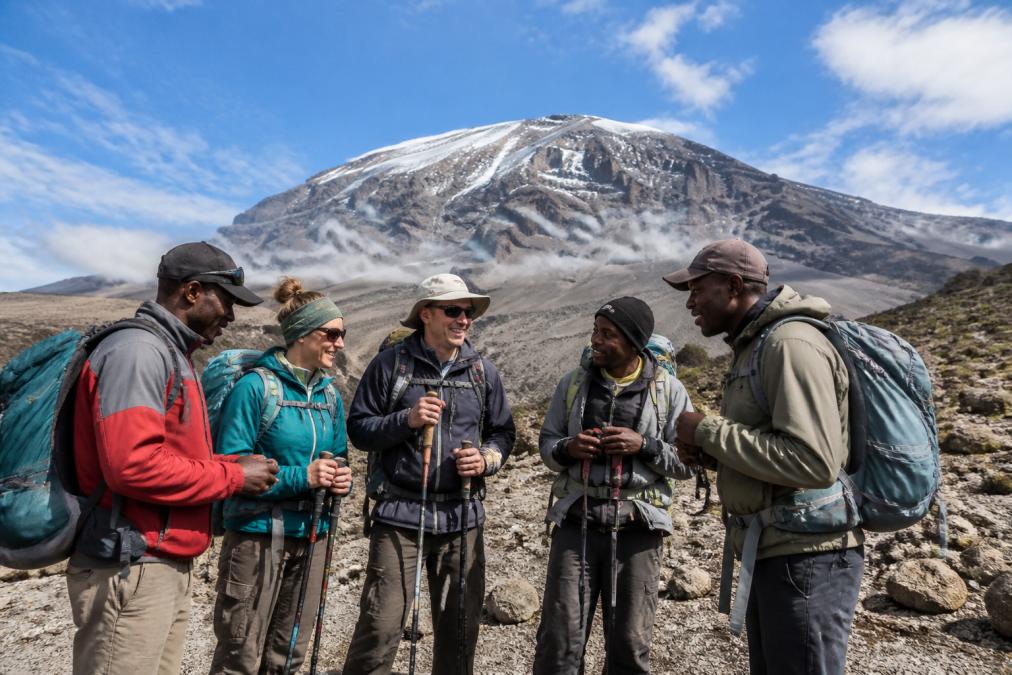
Quick Comparison: Top 5 Kilimanjaro Tour Operators
The table below goes beyond "best for" labels. It scores each operator on the four criteria that actually predict whether you summit safely and whether your money reaches the mountain crew: summit-rate transparency, guide-to-climber ratio, crew ethics, and total-cost clarity. Use it to narrow your shortlist, then read the full reviews for the reasoning behind each score.
| Operator | Best For | Route Strength | Group Size | Guide Ratio | Crew Ethics | Cost Transparency |
|---|---|---|---|---|---|---|
| Simcha African Safaris Limited | Custom itineraries, cultural immersion | Flexible, private departures | Private or small group | High (small-group model) | Fair-wage local crews | Itemized quotes on request |
| Operator Two | Budget-conscious climbers | Machame, Rongai | Larger groups | Lower (varies by departure) | Varies by departure | Base price only; tips and gear extra |
| Operator Three | Solo travelers, small groups | Lemosho, Machame | Small, mixed | High (vetted crews) | Ethical tourism focus | Moderate; ask for line items |
| Operator Four | Luxury and private expeditions | Any route, private | Private only | Highest (premium ratios) | Premium crew ratios | All-inclusive, premium tier |
| Operator Five | High summit success rates | Lemosho, Northern Circuit | Moderate | Strong safety record | Strong safety record | Longer trips, higher total cost |
How to Read This Table
Guide ratio is the number of climbers each guide is responsible for. A ratio of one guide per two to three climbers is a strong signal that someone is watching for early signs of altitude sickness on summit night (the CDC). One guide for eight climbers is a warning sign. Ask for the ratio in writing for your specific departure, not the company average.
Crew ethics is not a marketing label. The clearest signal is whether the operator is transparent about porter pay, porter gear weight limits, and whether porters receive proper food, shelter, and insurance. Ask directly. An operator that answers without hesitation is telling you something; so is one that deflects.
Cost transparency is the difference between a base price and a total cost. A base price typically excludes crew tips, gear rental, visa and entry costs, pre- and post-climb hotel nights, and travel insurance with high-altitude trekking coverage. The operators above that itemize these line items are easier to compare honestly against one another.
Solo Travelers: Vetting Group Dynamics Before You Book
If you are climbing alone, the table's group-size and guide-ratio columns matter more than the price column. A small, mixed group is easier to read socially before you commit: ask the operator how many solo climbers typically join, whether the group is capped, and how the operator handles a climber who falls behind the group pace. A responsible operator will split the group rather than pressure a struggling climber to keep up. Ask these questions before you pay a deposit, not after you land.
What the Table Cannot Tell You
No comparison table can capture how an operator responds when weather turns, when a climber gets sick, or when a porter is injured. Those moments are where the difference between a good operator and a great one shows. Use the table to build a shortlist of three, then ask each one the five success-rate questions and the total-cost questions in the next section. The operator that answers both sets clearly is the one worth your deposit.
1. Simcha African Safaris Limited: Best for Custom Itineraries and Cultural Immersion
Simcha African Safaris Limited builds the climb around your timeframe, fitness, and interests rather than forcing you into a fixed package. Five days in March instead of the standard week? That becomes a custom itinerary, not a compromise. The company pairs every Kilimanjaro trek with genuine cultural discovery, from Maasai heritage to handcrafted art.
What sets it apart is the blend of adventure and culture. Climbers can combine a summit push with a safari, a whale shark encounter, or a hot air balloon ride, all coordinated under one operator.
Pros:
- Truly flexible durations, including short custom windows
- Cultural immersion built into every trip
- Access to UNESCO World Heritage sites on combined safaris
Cons:
- Custom planning takes more back-and-forth than an off-the-shelf package
- Premium pricing reflects the private, tailored approach
2. Operator Two: Best for Budget-Conscious Climbers
Operator Two keeps costs down by running larger groups on the popular Machame and Rongai routes. If your priority is reaching the summit without overspending, this operator delivers a functional climb. The trade-off is real: bigger teams mean less guide attention per climber, and porter welfare standards can vary by departure.
Ask directly about crew pay and gear before booking. A low price that comes at the expense of the mountain crew is not a bargain.
Pros: Lowest upfront cost, frequent departures Cons: Larger groups, inconsistent crew standards
3. Operator Three: Best for Solo Travelers and Small Groups
Solo climbers and women traveling alone should weigh Operator Three carefully. It runs small, mixed groups that make it easy to find climbing partners, and its ethical tourism focus means vetted crews and clear safety measures. For anyone nervous about going it alone, the social dynamic of a small group is a genuine advantage.
Ask any operator for the guide-to-climber ratio in writing. A ratio of one guide per two to three climbers is a strong signal; one guide for eight is a warning sign.
Pros: Solo-friendly, strong ethics, small groups Cons: Limited private-departure options
4. Operator Four: Best for Luxury and Private Expeditions
Operator Four handles private expeditions with premium crew ratios, upgraded base camp equipment, and concierge-level logistics. Every climb is private, so you set the pace. The cost reflects that exclusivity, and it is the right call for honeymooners or travelers who want the climb to feel effortless.
Pros: Fully private, premium gear, high crew ratios Cons: Highest price point on this list
5. Operator Five: Best for High Summit Success Rates
Operator Five stakes its reputation on summit success rates, running the longer Lemosho and Northern Circuit routes that give climbers more days to acclimatize. Longer itineraries cost more and take more vacation time, but they are the most reliable path to the top for climbers over fifty.
Pros: Strong acclimatization schedules, proven success Cons: Longer trips, higher total cost
Kilimanjaro Success Rates by Operator: What the Numbers Really Mean
A quoted summit success rate is a marketing number until you know the denominator behind it. Two operators can both advertise "95% success" while one is counting only climbers who reached the final camp and the other is counting every person who paid a deposit. Before you compare any two figures, ask the operator these five questions in writing:
- What is the denominator? Is the rate calculated over all booked climbers, all climbers who started the trek, or only those who made it to high camp? A rate that excludes climbers who turned back early is not the same rate.
- Which route and how many days? A seven-day Lemosho itinerary and a five-day Marangu itinerary are not comparable. Longer routes with an extra acclimatization day consistently produce higher summit rates because the body has more time to adjust to altitude.
- What is the guide-to-climber ratio? A ratio of one guide per two to three climbers is a strong signal that someone is watching for early signs of altitude sickness. One guide for eight climbers is a warning sign, especially on summit night.
- What is the turnaround policy? Ask what happens when a climber shows symptoms of acute mountain sickness. A responsible operator turns the group around or splits the group; an operator chasing a headline rate may push on.
- Is the rate audited or self-reported? Most operators self-report. That does not make the number false, but it means you should treat it as a claim to verify, not a fact.
Why the Route Matters More Than the Operator's Headline Number
The single biggest controllable variable in summit success is acclimatization time, and acclimatization time is a function of route length. A common pattern among experienced guides is that adding one extra day at altitude does more for summit odds than switching operators on the same itinerary. That is why the longer Lemosho and Northern Circuit routes appear repeatedly in the recommendations above: they build in more days for the body to produce the red blood cells that carry oxygen at 19,341 feet.
This is also why a budget operator running a five-day Machame push can post a respectable rate on a good weather week and a poor rate the next. The itinerary, not the logo, is doing most of the work.
The Hidden-Cost Layer Behind Every "All-Inclusive" Quote
Success-rate shopping and price shopping are the same exercise once you understand what a base price excludes. A quote that looks $800 cheaper than a competitor often closes that gap at the trailhead. Before you compare two operators, build a total-cost column that includes:
- Park fees and hut or campsite fees, these are set by the park authority and should appear as a line item, not be folded into a vague "government fees" figure.
- Crew tips, tipping the guide, assistant guides, cook, and porters is customary and expected. Ask the operator for a suggested tip range per crew member so you can budget it before you go, not after.
- Gear rental, sleeping bags rated for freezing temperatures, insulated mats, and trekking poles are frequently rented separately. Confirm what is provided and what you must bring.
- Visa and entry costs, these are paid to the government, not the operator, and belong in your total.
- Pre- and post-climb hotel nights, many quotes cover only the nights on the mountain.
- Travel insurance with high-altitude trekking coverage, standard policies often exclude trekking above a certain elevation. Confirm the policy covers the altitude of your route before you pay the deposit.
A success rate tells you what an operator claims happened on past trips. A total-cost breakdown tells you what will actually happen to your budget. Get both in writing before you compare operators side by side.
Matching the Number to Your Goal
Once you have the five answers above, the recommendation logic becomes simple. If your priority is a culture-rich, custom-paced climb, the flexible private departures from Simcha African Safaris Limited let you add acclimatization days without rebuilding a fixed package. If your priority is the lowest possible upfront cost, Operator Two's larger groups on Machame and Rongai will get you up the mountain, but budget separately for tips and gear. If you are climbing solo and want a vetted small group, Operator Three's guide ratios are the number to check first. If you want a private, concierge-paced expedition, Operator Four sets the pace around you. And if maximum summit odds on a longer route are the goal, Operator Five's Lemosho and Northern Circuit itineraries are built for exactly that.
For climbers preparing at altitude for the first time, the CDC guidance on high-altitude travel is worth reading before you finalize any itinerary, and a U.S. State Department travel resource can help you confirm insurance and entry requirements.
Frequently Asked Questions
What criteria should I use to evaluate a Kilimanjaro tour operator?
Look at four things: safety record, summit success rate, ethical treatment of porters, and pricing transparency. Ask for the operator's actual success rate, not just the route average. Verify they carry emergency oxygen and pulse oximeters. Check if they are KPAP certified for porter welfare. And request a line-item breakdown of what your fee covers, including park fees, rescue protocols, and tipping guidelines.
Does the tour operator affect my chances of reaching the summit?
Yes, significantly. Operators influence your summit push through acclimatization pacing, guide-to-climber ratios, and emergency response readiness. A well-planned itinerary with extra acclimatization days raises your odds. Operators with wilderness first responder-trained guides and emergency oxygen on hand handle altitude sickness better. Choosing a company with a documented high summit success rate is one of the most controllable factors in your climb.
How do I verify the safety standards of a Kilimanjaro tour company?
Ask specific questions: How many guides per climber? Do they carry emergency oxygen and a pulse oximeter? Are guides certified as wilderness first responders? What are their rescue protocols if someone cannot continue? Also check whether they are registered with the Tanzania tourism board and whether they follow KPAP guidelines for porter welfare. Operators who hesitate to answer these directly are a red flag.
What is the difference between local and international Kilimanjaro tour operators?
Local operators are based in Tanzania, employ local guides and porters directly, and often offer lower prices because there is no middleman markup. International operators typically handle logistics from abroad and subcontract to local teams on the ground. Local expertise matters for acclimatization decisions, route knowledge, and cultural context. The trade-off is that booking locally may require more research to verify standards and certifications.
How can I prepare for a Kilimanjaro climb if I am over fifty?
Start training at least three months out with cardio, strength work, and back-to-back hiking days on weekends. Break in your boots on long walks. Get a medical checkup and discuss altitude sickness medication with your doctor. Choose a longer route with more acclimatization days. Pack a sleeping bag rated for freezing temperatures and trekking poles. Hydration and pacing matter more than raw fitness after fifty.


