

Last Updated: October 25, 2026
Quick Summary
What to wear in Tanzania requires packing for two distinct environments: the bush demands neutral colors like khaki and beige, breathable fabrics, and layers for temperature swings, while beaches need sun protection, quick-drying materials, and modest coverage in towns and cultural sites. Pack a coordinated capsule of roughly 10 to 12 core pieces that work across both settings, including long-sleeved shirts, lightweight trousers, swimwear, and sturdy closed-toe shoes.
- Pack at least two long-sleeved safari shirts, two pairs of trousers, and one pair of shorts for the bush
- Bring three pairs of footwear: closed-toe hiking boots, sandals, and water shoes to cover all activities
- Temperature swings from 50 degrees at dawn to 85 degrees by mid-morning require one lightweight fleece or merino layer
- Use one mid-trip laundry day to rotate roughly 10 to 12 core pieces across a two-week trip
- Avoid camouflage, all-white clothing, heavy denim, and new unworn shoes that cause blisters
Table of Contents
- Why Clothing Choices Matter for Bush and Beach Travel
- Best Colors to Wear on Safari and at the Beach
- Tanzania Safari Clothing List: Tops, Layers, and Long Sleeves
- Lower Body: Trousers, Shorts, and Durable Bottoms
- Tanzania Beach Vacation Packing List: Swimwear and Beachwear
- What to Wear in Zanzibar: Town, Cultural Sites, and Respectful Dress
- Footwear, Sun Protection, and Essential Accessories
- Clothing to Avoid: Camouflage, Bright Colors, and Other Mistakes
- Frequently Asked Questions
Why Clothing Choices Matter for Bush and Beach Travel
Getting your wardrobe right transforms your experience. Understanding the best time to visit Tanzania for safari and beach helps you adjust your clothing choices to seasonal weather conditions.
Tanzania presents two distinct environments. The bush demands neutral colors, breathable fabrics, and layers you can shed as temperatures swing. The beach requires sun protection, quick-drying materials, and clothing that respects local culture.
A smart packing strategy covers both, and understanding the why behind each recommendation helps you decide on the fly which items matter most.
What to wear for Tanzania bush and beach holidays isn't just about comfort, it's about safety, respect, and getting the most from your trip.
Best Colors to Wear on Safari and at the Beach
Neutral colors are essential on safari.
Safari greens work too, but avoid anything neon or high-contrast. Think muted, natural shades.
At the beach, bright colors are fine, but Zanzibar town and villages differ from the resort.
Colors to avoid entirely:
- Bright white (reflects heat harshly, shows every speck of dust)
- Camouflage patterns (confuses guides, signals hunter mentality)
- Hot pink, neon, or electric colors (startles wildlife)
A Tanzania beach vacation packing list starts with understanding that beach attire differs from safari attire. Pack both and change deliberately when you switch environments.
Tanzania Safari Clothing List: Tops, Layers, and Long Sleeves
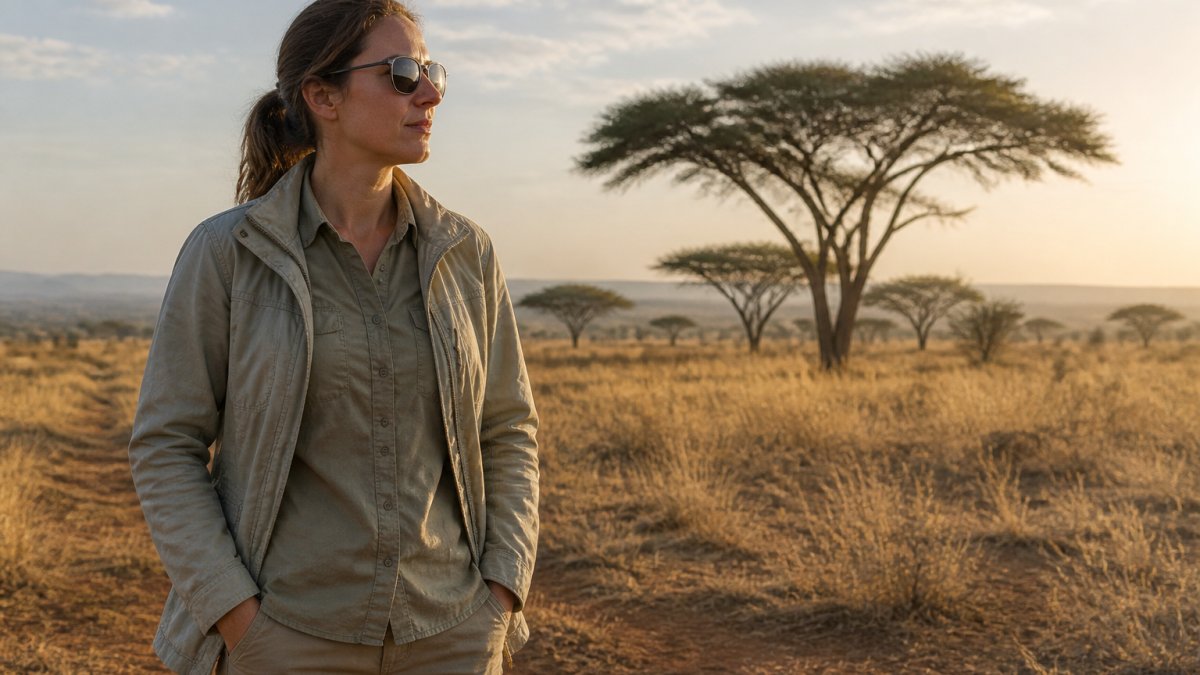
Your upper body needs protection and flexibility. Early mornings and cool evenings drop temperatures dramatically. Midday heat climbs fast. The solution: layers you can add and remove.
Safari Shirts and Long-Sleeved Tops
Long-sleeved safari shirts are your foundation, protecting skin from sun, insects, and thorny brush. For detailed guidance on what to pack for a cultural safari, see what to pack for a Tanzania cultural safari.
What makes a good safari shirt:
- Loose fit (tight clothing traps heat)
- Long sleeves that roll up if needed
- Neutral color in khaki, beige, or olive
Pack at least two long-sleeved shirts so you always have one clean, plus two or three lightweight neutral T-shirts for layering or hot afternoons.
Layering for Cool Mornings and Warm Afternoons
Temperature swings are dramatic: a 5 a.m. game drive starts in 50-degree cold and finishes at 85 degrees by 10 a.m.
Bring a lightweight fleece or thin merino layer, merino regulates temperature better than cotton and doesn't smell as quickly.
Don't pack heavy winter gear. A single warm layer is enough. The goal is flexibility, not insulation.
Lower Body: Trousers, Shorts, and Durable Bottoms
Your legs need coverage and durability. Thorny brush, insects, and sun exposure make bare legs risky on safari.
For game drives and bush walks:
- Lightweight trousers in khaki, beige, or olive (full-length, not capris)
- Quick-drying fabric that breathes
- Cargo pockets are practical for carrying small items
Shorts are acceptable if knee-length and neutral-colored; avoid short shorts, which expose too much skin to sun and insects.
For beach days: Swim shorts or board shorts dry quickly and work for water activities.
Durable clothing matters: you'll be getting in and out of vehicles, walking through brush, and moving through sand, and cheap fabric tears.
Tanzania Beach Vacation Packing List: Swimwear and Beachwear
Beach time requires different thinking from the bush, but the real skill is planning both halves as one wardrobe. Most travelers overpack the beach portion and then have no clean, dry options for the safari half. The fix is a coordinated capsule adjusted for your season.
Build One Capsule, Not Two Suitcases
Experienced travelers pack around a single color family, khaki, olive, sand, navy, and white, so every top works with every bottom, letting you mix and match across bush and beach without doubling your luggage. A practical target for a 10- to 14-day trip is:
- 2 swimsuits (one drying, one worn)
- 1 rash guard or swim shirt
- 1 lightweight cover-up (linen shirt, sarong, or kaftan)
This is roughly half the clothing most first-timers bring, and it's enough because you'll do laundry mid-trip rather than pack for every day.
Match the Beach Gear to the Season
The coast has two broad seasons that change what you actually wear. The long dry season, roughly June through October, brings cooler, drier air and breezy evenings, a light long-sleeve layer and a sarong are genuinely useful at night. The hot, humid period from roughly December through March calls for the lightest possible fabrics, more swim time, and a second rash guard if you're snorkeling daily.
Swimwear and Sun Layers That Earn Their Space
Pack one or two quick-drying swimsuits, a suit that stays damp overnight is unpleasant. Bring a lightweight cover-up (linen shirt or sarong) for when you're out of the water; it protects your skin and respects local customs in beach towns. For snorkeling, a rash guard provides sun protection and reduces chafing, and a second one lets you rotate between outings.
Dress for Town, Not Just the Resort
Beachwear in Stone Town and cultural villages should be modest. Wear full-coverage clothing, lightweight pants or long skirts, T-shirts or tunics, and save bikinis for private beach resorts. One lightweight long-sleeve shirt and a pair of linen trousers cover town days, mosque visits, and travel between coast and bush.
Plan for Laundry and Luggage Limits
Safari flights and bush transfers often impose strict baggage limits, and soft-sided bags are commonly required. Pack fewer items, choose quick-dry fabrics you can hand-wash, and plan one mid-trip laundry day, most lodges and beach hotels offer service. A capsule of roughly 10 to 12 core pieces, washed once or twice, covers a two-week trip and leaves room for souvenirs.
What to Wear in Zanzibar: Town, Cultural Sites, and Respectful Dress
Zanzibar's Stone Town and cultural sites demand respect through your clothing choices, it's about honoring the community you're visiting.
In town and at cultural sites, dress modestly:
- Cover shoulders
- Wear knee-length or longer bottoms
- Avoid transparent or tight clothing
If you're visiting a mosque or sacred site, remove shoes and cover even more. Many travelers appreciate the opportunity to wear kanga and kitenge fabrics, traditional wraps that are beautiful, practical, and show cultural respect.
Beach resorts have different norms: swimwear and casual beachwear are fine there, but stepping into town requires a shift.
What works at the resort feels disrespectful in the market or at a cultural site. Pack for both contexts and switch deliberately.
Footwear, Sun Protection, and Essential Accessories
Bad footwear ruins a safari faster than almost anything else, and the wrong sun or insect strategy turns a beach day into a burn. Match each item to the specific activity and environment.
Footwear by Activity
One pair of shoes rarely covers a bush-and-beach trip. Plan for three roles:
- Game drives and camp: Closed-toe hiking boots or sturdy sneakers, broken in before the trip. Socks that wick moisture and provide cushioning. Avoid new shoes, they cause blisters. Sandals are fine around camp, not for walking in the bush.
- Walking safaris and rough terrain: The same broken-in boots, ideally with ankle support if you'll be on uneven ground. Open-toed sandals are a poor choice for hiking or thorny brush.
- Beach and water: Sandals or water shoes for walking on sand and in shallow water, plus flip-flops for camp and casual movement. Water shoes matter more than most travelers expect if you're wading over coral or rocky shallows.
A practical pattern is one pair of sturdy closed-toe shoes, one pair of sandals, and one pair of water shoes or flip-flops, three pairs total, which keeps luggage light while covering every activity. Learn more about how to prepare for bush plane travel in Tanzania to understand luggage limits and practical gear choices.
Sun Protection That Actually Works
Sun protection is non-negotiable in both environments. Pack:
- A wide-brimmed safari hat, not a baseball cap, which leaves your neck and ears exposed
- Sunglasses that block UV rays
- Sunscreen (SPF 30 or higher) and reapply frequently, especially after swimming (the American Academy of Dermatology)
Long sleeves and a rash guard are often more effective than sunscreen alone on the water, because they don't wash off and they protect the backs of your hands and neck where burns are common. A lightweight buff or scarf adds neck protection on game drives without adding heat.
Insect Protection and the Dawn/Dusk Window
Insect repellent matters on safari and at the beach. Mosquitoes carry malaria in some areas, so pack a reliable repellent and use it consistently at dawn and dusk, when biting peaks. Long sleeves and trousers at dusk are a simple barrier that reduces how much repellent you need.
Accessories That Earn Their Luggage Space
A few small items make a disproportionate difference: a packable rain shell for the long-rains months, a dry bag for boat trips and snorkeling, a reusable water bottle, and a small daypack for game drives. Keep accessories in the same neutral color family as your clothing.
Clothing to Avoid: Camouflage, Bright Colors, and Other Mistakes
Some clothing choices actively work against you on safari.
Never wear camouflage. It signals hunter mentality to guides and wildlife.
Skip heavy denim. Jeans trap heat, take forever to dry, and restrict movement.
Don't pack clothes that require ironing. Laundry facilities are limited, and wrinkled clothing is fine.
Skip brand-new gear. Broken-in clothing and footwear prevent blisters, test everything before the trip.
Don't overpack. Most lodges offer laundry service.
| Mistake | Why It Matters | What to Do Instead |
|---|---|---|
| Camouflage patterns | Illegal in parks, signals hunting | Wear neutral safari colors |
| All-white clothing | Shows dirt, attracts heat | Choose khaki, beige, olive |
| Heavy denim | Traps heat, restricts movement | Pack lightweight cotton or linen |
| New, unworn shoes | Causes blisters on long walks | Break in footwear before travel |
| Tight, restrictive clothing | Limits movement in vehicles | Wear loose-fitting pieces |
| Clothes requiring ironing | Impractical with limited facilities | Choose wrinkle-resistant fabrics |
Getting what to wear in Tanzania right means packing smart for two distinct environments. The bush demands neutral colors, breathable layers, and sturdy footwear. Zanzibar's beaches and towns require sun protection, quick-drying materials, and respectful coverage in cultural spaces.
Frequently Asked Questions
What should I wear on a game drive in Tanzania?
Wear neutral colors like khaki, beige, olive, or brown to blend into the natural landscape. Layer with a long-sleeved shirt or lightweight jacket for cool early mornings, and bring a hat and sunglasses. Avoid bright colors and camouflage patterns. Comfortable, durable trousers or long shorts work best. Neutral safari clothing helps you stay comfortable during extended game drives and reduces distraction to wildlife.
Can a woman wear shorts on a safari in Tanzania?
Yes, shorts are acceptable on safari game drives, but long trousers offer better protection from sun, insects, and vegetation. If wearing shorts, choose knee-length or longer styles in neutral colors. In towns and cultural sites like Zanzibar, longer clothing is more respectful. Quick-drying shorts work well for beach activities. The key is comfort and practicality, choose what lets you move freely while protecting your skin.
What fabrics are best for Tanzania's climate?
Cotton and linen are ideal for their breathability and comfort in warm conditions. Quick-drying fabrics work well for beach and water activities. Lightweight, loose-fitting clothing allows air circulation and helps regulate body temperature. Avoid heavy synthetics that trap heat. Look for durable fabrics that withstand frequent washing, as laundry facilities may be limited. These materials also provide natural sun protection compared to thin synthetics.
How should I pack for both bush and beach in one trip?
Plan outfits by activity: neutral layers and long sleeves for game drives, swimwear and light cover-ups for beach days, and slightly dressier neutral clothing for towns and cultural sites. Pack multipurpose items like lightweight scarves and neutral T-shirts that work in multiple settings. Bring 5-7 days of clothing if laundry service is available, or plan accordingly if it isn't. A combined bush-and-beach packing list should prioritize versatile, neutral pieces that transition between environments.


