

Table of Contents
- What Makes a Lodge Family-Friendly for Safari Adventures
- Top National Parks for Family Safaris and Wildlife Viewing
- Best Time for Family Safari in Tanzania: Seasonal Planning
- Activities for Children in the Bush: Age-Appropriate Experiences
- Tanzania Family Safari Itinerary: Sample 5-Day Schedule
- What to Pack for a Family Safari: Essential Gear and Clothing
- Health and Safety Logistics: Malaria Prevention and Vaccinations
- Bring Home the Experience: Authentic African Art for Your Family
- Frequently Asked Questions
Last Updated: September 1, 2026
What Makes a Lodge Family-Friendly for Safari Adventures
A truly family-friendly safari lodge goes beyond allowing children through the gate. The best lodges offer interconnected rooms or family suites, child-friendly menus balancing local cuisine with familiar options, and staff trained to engage children meaningfully. At Simcha African Safaris Limited, we've found that exceptional family lodges combine safety infrastructure with genuine enthusiasm for young guests.
Look for properties with secure grounds where children can move supervised but not confined, en-suite facilities in every room (essential with kids), and staff who understand that a child's wildlife experience shapes their lifelong relationship with conservation. Private vehicles for game drives allow families to set their own pace, stop longer when wildlife appears, and manage bathroom breaks without holding up other guests. Many families overlook babysitting services or supervised children's activities, then regret it midway through their trip when they need rest.
| Family Lodge Feature | Why It Matters | What to Look For |
|---|---|---|
| Family suites or interconnected rooms | Keeps families together safely | Separate bedrooms + shared living area |
| Private game drive vehicles | Flexible pacing for children | Dedicated vehicle, not shared tours |
| Child-friendly dining | Reduces mealtime stress | Local + familiar options, flexible timing |
| Supervised activities | Gives parents rest time | Age-appropriate bush walks, nature programs |
| En-suite bathrooms | Essential with young children | Private facilities in every accommodation |
Ask about malaria prevention measures, first aid capabilities, and medical emergency procedures. The best family lodges explain these details transparently.
Top National Parks for Family Safaris and Wildlife Viewing
Serengeti National Park offers unmatched wildlife density and the great migration spectacle, though distances between lodges and game viewing areas challenge families with very young children. Tarangire National Park, often overlooked, provides excellent wildlife viewing with shorter distances and a more intimate feel, ideal for children under eight.
Ngorongoro Conservation Area offers a contained ecosystem where wildlife viewing is nearly guaranteed within shorter drives. The crater itself is a natural amphitheater of wildlife, and children grasp the geography more easily than vast Serengeti plains. Lodge options here cater specifically to families with interconnected accommodations and supervised children's programs.
Arusha National Park, closest to the airport and often underrated, provides excellent game drives with Mount Meru as a dramatic backdrop. The smaller park is perfect for families with limited time or a 3-day extension.
Don't assume bigger parks are better for families. Serengeti delivers unmatched wildlife drama, but Tarangire or Ngorongoro might offer a more balanced experience if your children tire easily. Distance to lodges, drive times between viewpoints, and wildlife sighting predictability all factor into family comfort.
Best Time for Family Safari in Tanzania: Seasonal Planning
The dry season from June through October offers the most reliable wildlife viewing because animals concentrate around remaining water sources (the CDC). Game drives typically yield sightings within 30-60 minutes, suiting families with limited attention spans. However, this is peak tourist season with crowded lodges and peak prices.
The shoulder seasons, April to May and November to December, present compelling alternatives. November through December brings the short rains, greening the landscape and reducing tourist numbers dramatically. Wildlife is more dispersed but still abundant, and children often find the lush scenery more visually engaging. Lodges offer better rates and more personalized attention.
January through March is the hot season with occasional afternoon rains. This is calving season in the Serengeti, meaning young animals are abundant, a profound experience for children interested in wildlife. The heat requires careful management: early morning game drives, midday rest, and evening activities.
Avoid the long rains in April and May if your children struggle with damp conditions. Roads become challenging, and some lodges close.
Consider your children's school calendar and your family's heat tolerance when choosing travel dates. A family safari during a less crowded season often provides better wildlife viewing and lodge experiences than a peak-season trip.
Activities for Children in the Bush: Age-Appropriate Experiences
Game drives work for children as young as three or four, though younger kids may struggle with duration. A typical morning drive lasts three to four hours. Negotiate shorter drives with your lodge or take turns, one parent stays with younger kids while the other experiences the full drive.
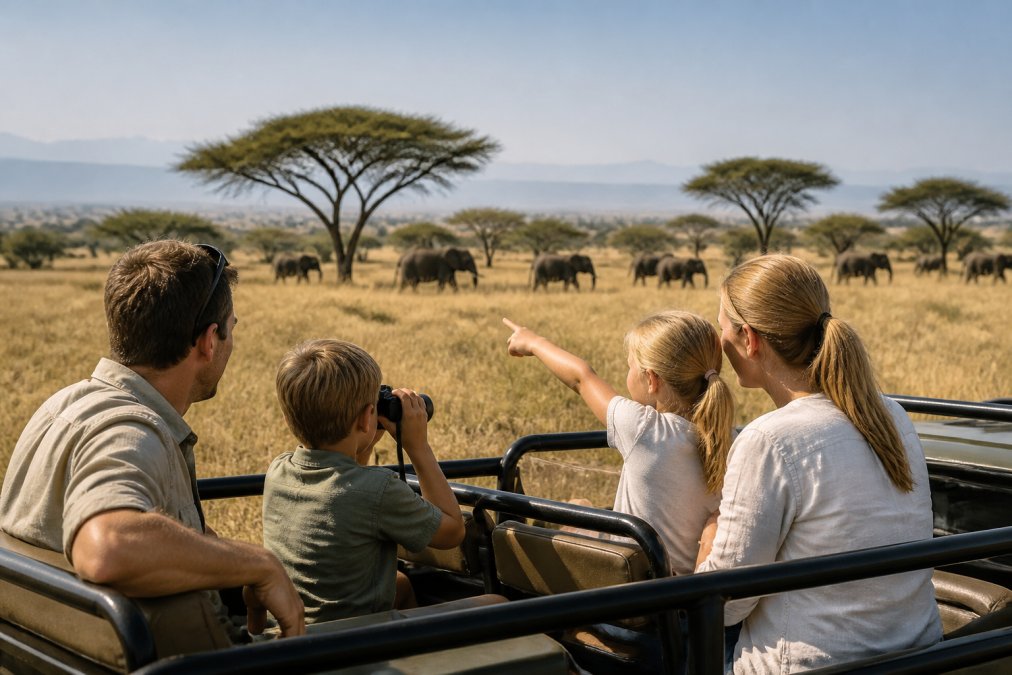
Bush walks suit children aged seven and up who can manage the pace and stay quiet. These guided walks reveal details that game drives miss: insect life, bird behavior, tracking techniques. Children often find the intimate scale more engaging than viewing distant animals from a vehicle.
Junior ranger programs, offered at several family-oriented lodges, transform safari from passive observation into active learning. Children participate in conservation activities and learn tracking skills. These programs typically run three to four hours and suit children aged eight and older.
Sundowner activities, sunset outings ending with drinks and snacks, work well for all ages and provide a gentler alternative to intense game drives. The relaxed pace suits tired children, and the visual spectacle creates lasting memories.
Night drives reveal nocturnal wildlife that diurnal game drives miss. Spotlight technology illuminates animals' eyes in darkness, creating a magical experience for children aged six and up. These drives typically last 90 minutes.
Cultural visits to nearby Maasai villages round out the safari experience. Children learn about local traditions and understand that wildlife conservation depends on human communities. These visits work best for children aged eight and older.
Tanzania Family Safari Itinerary: Sample 5-Day Schedule
A well-structured five-day family safari balances game drives, rest time, and activities to prevent fatigue and maximize enjoyment.
Day 1: Arrival and Acclimatization Arrive at the airport and transfer to your lodge (typically 1-2 hours). Settle into your family suite and rest after travel. Explore the lodge grounds and meet staff. Many families underestimate this day's value, pushing into game drives when exhausted diminishes the experience.
Day 2: Introduction Game Drive and Lodge Orientation Start with a shorter morning game drive (2-3 hours) in a private vehicle. Return for substantial lunch and rest during the hottest part of the day. Afternoon activities might include a lodge nature walk, conservation project visit, or pool time. An evening game drive or sundowner completes the day.
Day 3: Full Game Drive Day Commit to a longer game drive (4-5 hours) with an early start before sunrise. Return for lunch and substantial rest. The afternoon offers flexibility: some families take a second game drive, others rest completely. A bush walk or cultural visit provides variety without vehicle intensity.
Day 4: Flexible Activities and Rest This day prevents safari fatigue. Choose from: a shorter morning game drive focusing on specific wildlife interests, a full day at the lodge with supervised children's activities, a scenic flight if budget allows, or a combination of shorter activities.
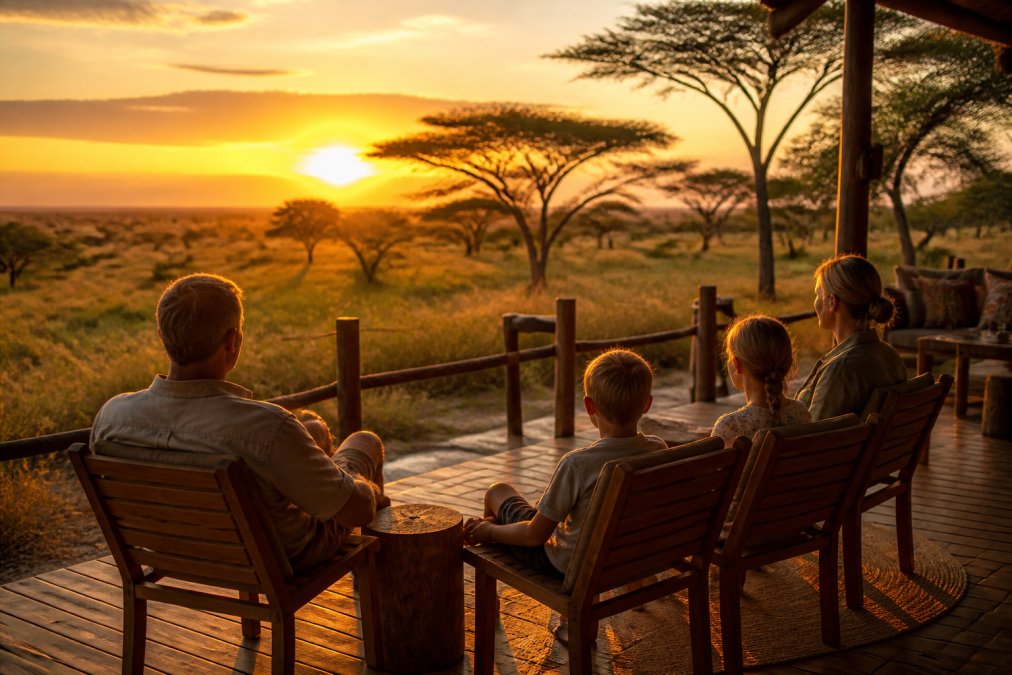
Day 5: Departure Depending on flight time, fit in an early morning game drive or transfer to the airport. Many families schedule late afternoon flights to maximize the morning drive.
This itinerary builds in rest days because families who push too hard often remember exhaustion more than wildlife. The private vehicle approach allows customization based on your children's energy and interests.
What to Pack for a Family Safari: Essential Gear and Clothing
Packing for a family safari requires thinking beyond typical vacation luggage. The environment, heat, dust, sun exposure, and unpredictable weather demand specific gear.
Clothing should prioritize function. Neutral colors (khaki, tan, gray, green) don't startle wildlife and reduce insect attraction. Long sleeves and long pants protect against sun and insects. Quick-dry fabrics manage sweat better than cotton. Pack layers because mornings and evenings are cool despite daytime heat.
Sun protection is non-negotiable. Bring high-SPF sunscreen (SPF 50+) in quantities larger than you'd use at home. Wide-brimmed hats, sunglasses, and lightweight long-sleeve shirts designed for sun protection prevent severe burns that can ruin your trip's second half.
Closed-toe hiking boots with good ankle support work for game drives and bush walks. Sandals with secure straps suit lodge time. Avoid flip-flops because they offer no protection on uneven terrain.
Medications and first aid supplies should include malaria prophylaxis, over-the-counter pain relievers, anti-diarrhea medication, antihistamines, and basic first aid supplies. Many lodges have medical facilities, but having essentials prevents delays.
Binoculars for wildlife viewing enhance the experience significantly. Children benefit from their own binoculars because it gives them agency in spotting animals.
A lightweight rain jacket handles afternoon showers without bulk. Brief rains occur despite the dry season.
Insect repellent containing DEET works more effectively than natural alternatives. Apply to exposed skin and clothing, and reapply after swimming or sweating.
Entertainment for downtime, books, tablets with downloaded content, travel games, prevents boredom during lodge rest periods. However, many families find children are so engaged by the environment that screen time decreases naturally.
A lightweight day pack for game drives holds water bottles, snacks, sunscreen, and binoculars.
Health and Safety Logistics: Malaria Prevention and Vaccinations
Health considerations center on malaria prevention and routine vaccinations, both requiring planning weeks before departure. Malaria transmission varies by region and season in Tanzania.
Consult your family's doctor or a travel medicine clinic at least four to six weeks before departure. They'll assess your itinerary, children's ages, and medical history to recommend appropriate malaria prophylaxis. Common options include atovaquone-proguanil, doxycycline, and mefloquine, each with different side effect profiles and age restrictions (the CDC).
Malaria-free zones exist in higher elevations (above 1,500 meters), including parts of the Ngorongoro area and regions around Mount Kilimanjaro (the CDC). Your doctor should confirm whether prophylaxis is necessary based on your specific lodges and activities.
Routine vaccinations should be current: measles, mumps, rubella, polio, tetanus, and others per CDC recommendations. Yellow fever vaccination is often recommended for Tanzania, though not officially required if coming directly from the United States. Typhoid and hepatitis A vaccinations are commonly recommended.
Dengue fever and sleeping sickness exist in Tanzania but are rare among tourists who follow basic precautions. Insect repellent with DEET and long clothing during dawn and dusk provide effective protection.
Drinking water at established lodges is typically safe, though many families prefer bottled water. Ask your lodge about water safety before arrival.
Travel insurance covering medical evacuation is essential. Tanzania has good medical facilities in major towns, but remote areas may require helicopter evacuation in emergencies.
Bring Home the Experience: Authentic African Art for Your Family
A family safari creates memories that last a lifetime, and bringing home authentic handcrafted African art extends that experience into your daily life. Unlike mass-produced souvenirs, genuine pieces carry the story of the artisans and culture they represent.
Handcrafted wooden sculptures carved from Mpingo wood, found only in Tanzania, represent exceptional value and authenticity. Each piece is unique, carved by individual artisans using traditional techniques. An Elephant Family Sculpture ($140) captures the family bonds your children witnessed on game drives, while a Walking Elephant Sculpture ($140) conveys wildlife majesty.


Oil paintings depicting wildlife and landscapes offer another authentic option. A Leopards in the African Tree painting ($160) or the Animals of The Jungle Canvas Painting ($160.99) bring the visual drama of your safari into your home. These paintings are hand-painted by African artists, not mass-produced reproductions.
Masks represent cultural significance beyond decoration. The Big Five Mask ($130) or Elephant Mask ($130) carved from Mpingo wood connect your family to Tanzanian cultural traditions. These pieces work as wall art or display pieces and become conversation starters about your safari adventure.
For families wanting a collection, the 5 Jungle Animals Sculptures ($120) offers diversity in a compact set. Each animal represents wildlife your family encountered.

When selecting pieces, consider your home's aesthetic and the artist's authenticity. Simcha African Safaris Limited sources handcrafted pieces directly from artisans, ensuring your purchase supports traditional craftspeople and guarantees authenticity. Unlike airport gift shops selling mass-produced items labeled "handmade," genuine pieces carry the imperfections and character that prove individual creation.
Display these pieces prominently in your home so they become daily reminders of your family's shared adventure. Children especially benefit from seeing their safari memories reflected in your home's decor, reinforcing the educational and emotional value of the trip.
Planning a family-friendly safari in Tanzania requires balancing wildlife viewing, child-appropriate pacing, and logistical preparation. The destination offers unparalleled wildlife experiences and the opportunity for children to develop a lifelong connection with nature and conservation. Simcha African Safaris Limited specializes in curated family safari experiences that handle the complexity, from lodge selection to activity planning to sourcing authentic handcrafted art, so your family can focus on the adventure itself. Request a quote today and let our team design a safari tailored to your family's ages, interests, and comfort level.
Frequently Asked Questions
What age is appropriate for children to go on a family-friendly safari lodge experience?
Children as young as 3 to 5 years old can enjoy family-friendly safari lodges, though the experience improves significantly at age 7 and older. Younger children benefit from shorter game drives (1-2 hours instead of 3-4), lodges with interconnected rooms for safety, and babysitting services during extended outings. Many family-friendly safari lodges offer junior ranger programs and age-appropriate activities designed specifically for children, making the experience educational and engaging regardless of age.
Are there malaria-free zones for family safaris in Tanzania?
Yes, several higher-altitude national parks and tented camps operate in malaria-free or low-risk zones above 5,000 feet elevation. However, most popular family safari destinations require malaria prophylaxis. Consult your pediatrician before travel; CDC-recommended medications for children include atovaquone-proguanil (Malarone), doxycycline (for children over 8), and mefloquine. Start prophylaxis 1-2 weeks before arrival and continue for 4 weeks after departure. Many family-friendly safari lodges provide guidance on health requirements and work with medical professionals to ensure safe protocols for children.
What amenities should I look for in a family-friendly safari lodge?
Prioritize lodges with interconnected rooms or family suites, en-suite facilities for convenience, babysitting services, child-friendly meal options, and private guides for game drives. Look for lodges offering junior ranger programs, bush walks suitable for children, and conservation education activities. Full-board accommodation simplifies planning, and lodges with scenic flight options or hot air balloon rides add memorable experiences. Verify that the lodge has medical facilities nearby and staff experienced with families traveling with children.
What is the best time of year for a family safari in Tanzania?
The dry season from June to October offers the best family safari conditions: cooler temperatures, lower malaria transmission, and concentrated wildlife viewing as animals gather around water sources. January to February provides another window with good wildlife sightings and fewer crowds. Avoid April to May (rainy season) as roads become difficult and children may struggle with muddy conditions. The great migration peaks in July-August, offering dramatic wildlife viewing, though this period draws more tourists. Consider your family's schedule and comfort level with heat when choosing between seasons.
This article was written using GrandRanker


