

Table of Contents
- Essential Clothing Colors and Fabrics for Safari
- What to Wear on a Safari Game Drive
- Tanzania Safari Weather by Month and Layering Strategy
- Safari Photography Gear Guide for Capturing Wildlife
- Sun Protection, Footwear, and Personal Hygiene Essentials
- Evening Attire for High-End Lodges and Luxury Accommodations
- Smart Luggage Strategy and Bush Plane Weight Restrictions
- Health, Documentation, and Sustainable Packing for Luxury Travel
- Frequently Asked Questions
Last Updated: September 2, 2026
Essential Clothing Colors and Fabrics for Safari
How to pack for a luxury Tanzania safari starts with understanding that color choice directly impacts your wildlife viewing experience. Neutral earth tones, khaki, tan, olive green, and beige, blend seamlessly with the natural landscape, allowing you to observe animals without startling them. Avoid bright whites, reds, and blues, which stand out against the savanna and can disrupt game viewing.
At Simcha African Safaris Limited, we recommend prioritizing breathable fabrics that perform in fluctuating temperatures. Cotton and cotton-blend materials work well for daytime wear, while lightweight linen offers superior moisture-wicking properties when temperatures spike. Merino wool, though less common in safari wardrobes, provides excellent temperature regulation without the bulk.
The fabric choice matters as much as color. Heavy denim and thick synthetics trap heat and restrict movement, critical when you're sitting in an open-sided game drive vehicle for hours. Instead, opt for quick-dry fabrics that handle dust and occasional moisture without requiring frequent washing. Many luxury safari lodges have laundry services, but packing fewer pieces in higher-quality materials reduces the need.
Layering system fundamentals begin here. Your base neutral colors allow you to layer strategically without clashing. A lightweight fleece jacket in tan or olive pairs seamlessly over a khaki shirt, creating visual cohesion while managing temperature swings.
What to Wear on a Safari Game Drive
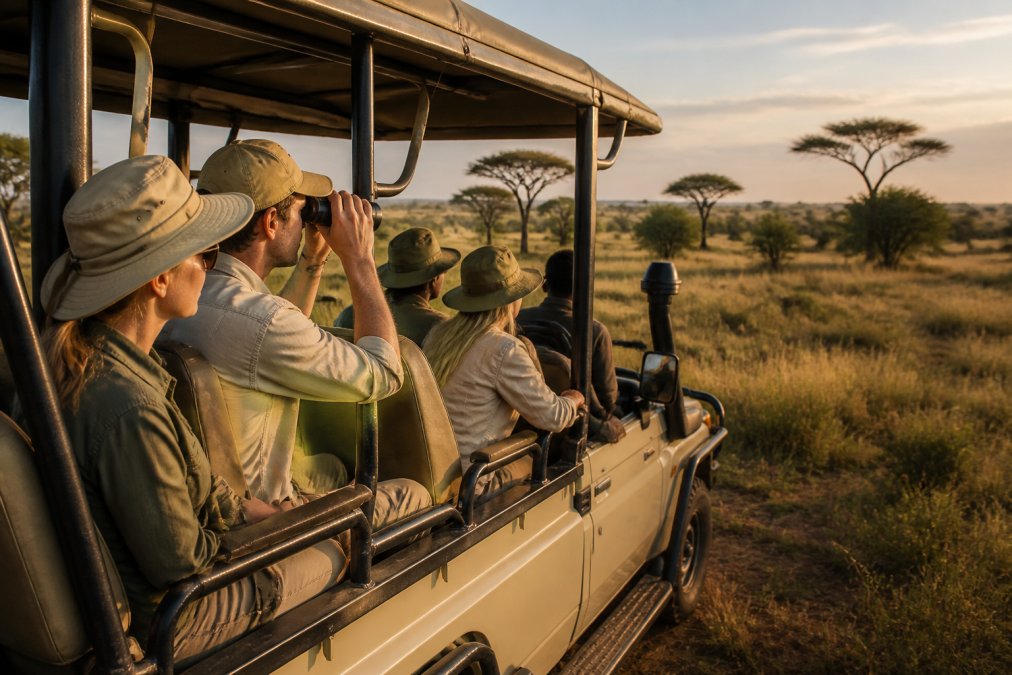
Game drives demand clothing that balances comfort with practicality. You'll spend 4-6 hours seated in an open vehicle, exposed to sun, wind, and dust. Cargo pants with multiple pockets are essential, they keep your hands free while providing storage for sunscreen, binoculars, and camera accessories. Choose lightweight cargo pants in neutral tones that dry quickly if you encounter unexpected moisture.
A long-sleeved shirt protects against sun exposure and insect bites. Tsetse flies, present in certain Tanzania safari regions, are less likely to bite through fabric. Wear your shirt loose rather than fitted; airflow matters more than a tailored appearance. Moisture-wicking shirts prevent sweat accumulation during midday heat.
Footwear on game drives should prioritize stability and protection. Closed-toe hiking boots or sturdy walking shoes with good ankle support are non-negotiable. You'll exit the vehicle for walking safaris, where uneven terrain and potential wildlife encounters require proper footwear. Avoid sandals entirely, they offer no protection and mark you as unprepared.
A wide-brimmed hat is your most important accessory. It shields your face and neck from intense UV rays while reducing glare that can strain your eyes during long viewing periods. A hat with a chin strap prevents loss during vehicle movement. The brim should extend at least 3 inches on all sides.
Polarized sunglasses reduce glare from the landscape and protect against UV damage. They also minimize eye strain when tracking moving animals across bright terrain. Choose sunglasses with side protection to block sun from angles standard frames miss.
Tanzania Safari Weather by Month and Layering Strategy
Tanzania's climate varies significantly by season and elevation, making layering strategy essential for how to pack for a luxury Tanzania safari. The dry season (June-October) offers the best wildlife viewing but brings temperature swings. Mornings and evenings drop to 50-60°F, while midday temperatures reach 75-85°F. This 25-degree variation demands a versatile layering system.
Pack a lightweight fleece jacket or wool cardigan for early morning and evening game drives. These layers compress easily into your luggage and provide warmth without bulk. A windbreaker adds protection against cool breezes at higher elevations, Mount Kilimanjaro's foothills and the southern highlands experience notably cooler temperatures than lowland plains.
The wet season (November-May) brings afternoon thunderstorms and higher humidity. Lightweight rain jackets that pack into their own pockets are invaluable. Choose jackets in neutral colors that complement your safari wardrobe. Moisture-wicking base layers become more important during this season, as humidity increases sweat accumulation.
Elevation matters significantly. The Serengeti plains sit around 4,500 feet, while the Ngorongoro Crater reaches 7,500 feet. Higher elevations experience temperatures 10-15 degrees cooler than lowland areas. If your itinerary includes crater viewing or highland lodges, pack an additional insulating layer, a lightweight down jacket or fleece provides warmth without excessive weight.
A practical layering approach: wear a moisture-wicking base layer, add a neutral-colored long-sleeved shirt, and bring a fleece and windbreaker for cooler periods. This combination handles virtually any Tanzania safari weather condition without overpacking.
Safari Photography Gear Guide for Capturing Wildlife
Wildlife photography transforms your safari from passive observation into active documentation. The safari photography gear guide starts with understanding that telephoto lenses are non-negotiable. A 70-200mm telephoto lens captures wildlife detail from safe distances, allowing you to photograph animals without approaching dangerously. For serious photographers, a 100-400mm lens provides even greater reach.
Camera stabilization matters when shooting from a moving or stationary vehicle. A bean bag mount or window mount stabilizes your camera against vehicle vibration and wind. These simple accessories dramatically improve image sharpness without requiring a tripod that's impractical in open vehicles.
Bring multiple batteries and memory cards. Safari days are long, and you'll shoot hundreds of images. A single battery may not survive a full day of shooting in cool morning temperatures. Extra memory cards prevent the frustration of running out of storage during peak wildlife moments.
Neutral density filters reduce glare on bright days and allow for slower shutter speeds that create motion effects in water or clouds. A polarizing filter cuts reflections and enhances color saturation, particularly useful for landscape shots during golden hour.
Dust protection is critical in the African bush. Bring lens cleaning kits, sensor cleaning tools, and protective cases. Sand and dust infiltrate camera bodies quickly, causing sensor damage. Many luxury lodges offer climate-controlled safes for electronics, but protective gear prevents problems before they start.
A lightweight daypack holds your camera gear during game drives. Choose a pack that fits between your feet in the vehicle without blocking views or creating discomfort during long sitting periods.
Sun Protection, Footwear, and Personal Hygiene Essentials
UV protection extends beyond sunglasses and hats. High-SPF sunscreen (SPF 50+) is essential, applied liberally and reapplied every two hours (the American Academy of Dermatology). Many luxury lodges provide sunscreen, but bringing your preferred brand ensures consistent protection. Lip balm with SPF prevents painful sun damage on sensitive lips.
Footwear deserves careful consideration beyond game drive requirements. Bring hiking boots for walking safaris, comfortable camp shoes for lodge areas, and lightweight sandals for shower and pool use. Quality matters, cheap sandals cause blisters that ruin safari experiences. Bring blister treatment supplies and foot powder to manage moisture in warm climates.
Personal hygiene in remote safari locations requires practical planning. Many luxury lodges have excellent facilities, but bring biodegradable soap and shampoo in case you're in rustic accommodations. Wet wipes and hand sanitizer provide hygiene between washings. Insect repellent with DEET protects against mosquitoes that carry malaria and other diseases (the CDC). Some travelers prefer DEET-free alternatives using picaridin or oil of lemon eucalyptus, these work adequately for most situations.
Feminine hygiene products should be brought from home. Remote safari areas may not stock preferred brands. Bring extra supplies beyond your expected needs, as resupply options are limited.
Dental care items, toothbrush, floss, toothpaste, are often overlooked but essential. Bring more than you'd normally use, as you won't find your preferred brands locally. Medications for common ailments, antacids, anti-diarrheal tablets, pain relievers, should be packed in original containers with clear labels.
A lightweight towel speeds drying in humid conditions. Many lodges provide towels, but having your own ensures availability for unexpected situations.
Evening Attire for High-End Lodges and Luxury Accommodations
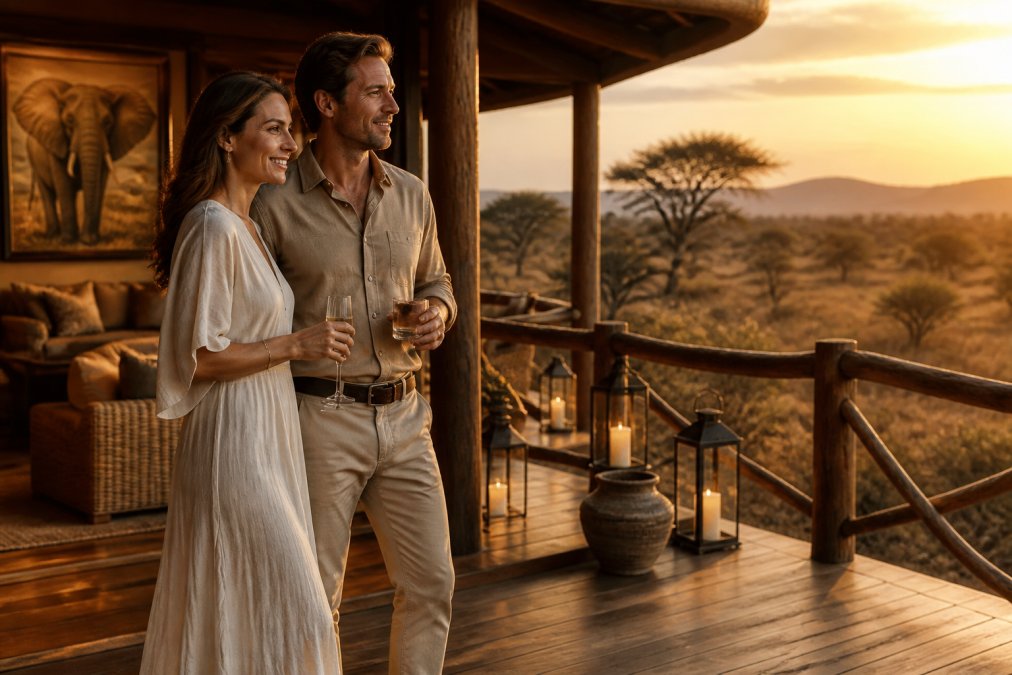
Luxury Tanzania safari accommodations expect refined evening presentation. High-end lodges host sundowners, evening social gatherings where guests gather for drinks and conversation as the sun sets. Appropriate attire elevates these experiences and shows respect for lodge culture.
For women, lightweight linen dresses in neutral colors work beautifully. A flowing midi-length dress in cream, tan, or soft olive provides elegance while remaining practical in warm climates. Pair it with a lightweight cardigan or shawl for temperature fluctuations. Dressy sandals or flat shoes work better than heels on uneven lodge grounds. Jewelry should be minimal, statement earrings or a simple bracelet complements safari style without excess.
Men should pack one or two button-up shirts in neutral tones for evening wear. A tailored safari shirt in soft tan or cream pairs well with neutral-colored trousers. Closed-toe shoes work better than sandals for formal lodge settings. A lightweight blazer adds sophistication if your itinerary includes special dinners.
Sundowners typically occur during cooler evening hours, so bring a light wrap or jacket. Many lodges have outdoor seating areas where evening temperatures drop noticeably from daytime highs.
Some luxury lodges host themed dinners or special events. Pack one outfit slightly dressier than your standard evening wear, a linen dress with subtle patterns or a button-up shirt with texture adds visual interest without compromising safari aesthetic.
Comfort matters as much as appearance. You've spent the day in game drives; evening clothing should feel relaxed and natural. Avoid anything restrictive or uncomfortable, as you'll be sitting and socializing for hours.
Smart Luggage Strategy and Bush Plane Weight Restrictions
How to pack for a luxury Tanzania safari requires understanding bush plane weight restrictions, a critical constraint many travelers underestimate. Small aircraft serving remote safari camps limit luggage to 20-25 pounds per person, sometimes less (faa.gov). This strict weight limit forces strategic packing decisions that separate experienced safari travelers from novices.
Soft-sided luggage is mandatory for bush planes. Hard-sided suitcases cannot be loaded into small aircraft cargo holds. Choose durable duffel bags or soft-sided rolling luggage that compresses to fit irregular cargo spaces. Avoid oversized bags; they consume space inefficiently and may be rejected at check-in.
Pack strategically using the "rolling" method for clothing. Roll rather than fold garments to maximize space and reduce wrinkles. Place heavier items at the bag's bottom, lighter items on top. Wear your heaviest shoes during travel days rather than packing them.
Weigh your luggage before arriving at the airport. Most safari operators provide luggage scales at check-in, but bringing a portable scale prevents surprises. If you exceed weight limits, you'll need to repack or pay excess fees, an avoidable hassle with advance planning.
Limit yourself to one carry-on bag and one checked duffel. Many travelers attempt multiple bags, creating logistics problems at remote airstrips. One organized bag proves far more practical than two overstuffed ones.
Electronics and valuables should travel in your carry-on. Cameras, passports, medications, and jewelry stay with you throughout the journey. This protects against loss and allows you to access items immediately upon arrival.
Consider what you'll actually use. Many safari travelers pack items they never touch. Be honest about your needs, you'll wear the same neutral-colored pants multiple times. Bring fewer pieces in higher quality rather than numerous cheap items.
Health, Documentation, and Sustainable Packing for Luxury Travel
Health documentation requirements for Tanzania include a yellow fever vaccination certificate for entry. Check current vaccination requirements before traveling, as regulations change periodically. Malaria prophylaxis is essential in most safari regions; consult your healthcare provider about appropriate medications for your specific itinerary.
Pack a comprehensive first aid kit beyond standard items. Include blister treatments, pain relievers, anti-diarrheal medication, antacids, and antihistamines. Many safari regions are remote; self-sufficiency matters. Prescription medications should be packed in original containers with clear labels identifying the medication and dosage.
Your passport must be valid for at least six months beyond your travel dates. Make copies of your passport, travel insurance documents, and hotel confirmations. Store digital copies in cloud storage and physical copies separately from originals.
Travel insurance covering medical evacuation is essential. Remote safari locations may require helicopter evacuation for serious medical emergencies, costs can reach tens of thousands of dollars without insurance coverage.
Sustainable packing reflects respect for Tanzania's environment. Avoid single-use plastics; bring a refillable water bottle that lodges typically fill. Choose reef-safe sunscreen if your itinerary includes coastal areas or water activities. Pack biodegradable toiletries that won't harm local ecosystems.
Support local artisans by purchasing authentic handcrafted items. Simcha African Safaris Limited offers genuine handcrafted African art, including the Kilimanjaro Warrior African Art Oil Painting ($175.00) and the Elephant Canvas Painting ($160.00), allowing you to bring authentic cultural pieces home. These pieces support Tanzanian artists directly while providing meaningful souvenirs that reflect your safari experience.


Limit souvenir purchases to items you'll genuinely display and value. Authentic handcrafted pieces take precedence over mass-produced items. Budget luggage space for purchases, many travelers underestimate how much they'll want to bring home.
Packing strategically transforms your Tanzania safari from a logistical challenge into a seamless adventure. By prioritizing neutral colors, breathable fabrics, appropriate footwear, and realistic luggage limits, you'll arrive prepared and comfortable. Simcha African Safaris Limited specializes in curated safari experiences that handle the complex logistics while you focus on encountering the Big Five and experiencing authentic African culture. Our flexible safari durations, ranging from 3 to 7 days, accommodate various schedules, and our handcrafted African art selection lets you bring home meaningful pieces that extend your safari experience. Request a quote today to begin planning your luxury Tanzania safari adventure.
Frequently Asked Questions
What colors should I avoid wearing on a safari game drive?
Avoid bright whites, blacks, and neon colors that stand out to wildlife and create glare in photos. Skip camouflage patterns too, they're unnecessary and can confuse guides. Stick to neutral earth tones like khaki, tan, olive green, and beige. These colors blend naturally with the landscape, help you observe animals without startling them, and photograph beautifully. Dark colors absorb heat in the sun, making you uncomfortable during long game drives.
Do luxury safari lodges provide laundry services during my stay?
Most high-end lodges offer laundry service, though turnaround times vary, typically 24 hours. Pack moisture-wicking, quick-dry fabrics that you can hand-wash in your room if needed. Bring enough underwear, socks, and lightweight layers to rotate between laundry days. Check with your lodge ahead of time about laundry availability and any additional costs. This planning allows you to pack lighter while maintaining comfort throughout your safari.
What camera gear do I really need for photographing wildlife in Tanzania?
A telephoto lens (at least 200mm) is essential for capturing distant animals on game drives without disturbing them. Pair it with a camera body that handles high ISO well for early morning and evening light. A polarized filter reduces glare and enhances colors. Bring extra batteries, memory cards, and a camera stabilization rig or monopod for sharp shots from a moving vehicle. A lightweight mirrorless camera system keeps weight down for bush plane restrictions. Consider a smartphone telephoto attachment as backup.
How much luggage can I bring on a bush plane to a remote safari lodge?
Bush planes typically allow 20 pounds of soft-sided luggage per passenger due to weight and space constraints. Weigh your gear before departure and use a luggage scale to avoid surprises. Choose soft-sided duffels over rigid suitcases, they compress and fit aircraft storage better. Pack essentials in your day pack as carry-on. Coordinate with your safari operator about luggage limits specific to your flight. Exceeding limits may require extra fees or leaving items behind, so plan accordingly.
This article was written using GrandRanker


