

Table of Contents
- Understanding Tanzania Park Entry Fees
- Peak vs. Low Season Pricing and Fee Structure
- TANAPA Online Payment Portal Guide
- Tanzania Safari Permit Booking Process
- Cost of Visiting Serengeti National Park
- Vehicle Entry Requirements and Conservation Fees
- Payment Methods, Digital Gateways, and Real-Time Permit Verification
- Multi-Park Itinerary Cost Optimization
- Frequently Asked Questions
Last Updated: September 3, 2026
Understanding Tanzania Park Entry Fees
Tanzania's national parks fall under the Tanzania National Parks Authority (TANAPA), which manages entry fees, permits, and conservation charges across protected areas. The fee structure varies significantly based on visitor classification, park location, and seasonal timing. Non-resident foreign tourists pay substantially different rates than citizens, with entry fees serving dual purposes: generating revenue for park operations and funding conservation efforts.
At Simcha African Safaris Limited, we guide clients through these requirements as part of comprehensive safari planning, ensuring smooth entry and permit validation before arrival. Peak season demand, typically June through October, creates processing bottlenecks. Understanding advance booking timelines and payment verification procedures prevents delays at entry gates. The 24-hour validity period for permits means timing your entry correctly matters significantly for multi-park itineraries.
Peak vs. Low Season Pricing and Fee Structure
Tanzania's park entry fees follow distinct seasonal adjustment patterns. Peak season runs from June through October, when weather conditions favor wildlife viewing and visitor numbers peak (tanzaniatourism.go.tz). Low season spans November through May, with rates typically 20-40% lower than peak pricing depending on the specific park.
The fee structure distinguishes between several visitor classifications: adult non-residents pay the highest rates, while children under 16 typically receive 50% discounts. Tanzanian citizens and East African Community residents qualify for significantly reduced rates. Tour operators and group bookings may access different tariff tiers.
Conservation fees add to base entry costs, supporting anti-poaching operations, habitat restoration, and wildlife management. Vehicle entry requirements factor into overall cost calculations, with self-drive vehicles incurring separate fees beyond passenger entry permits. Tour operator vehicles with commercial licenses follow different fee schedules than private vehicles.
TANAPA Online Payment Portal Guide
The TANAPA online payment portal centralizes permit booking and payment processing for most national parks. Accessing the system requires navigating to the official TANAPA website and creating an account with valid contact information. The portal accepts multiple payment methods, though digital payment gateways remain the primary option for international visitors.
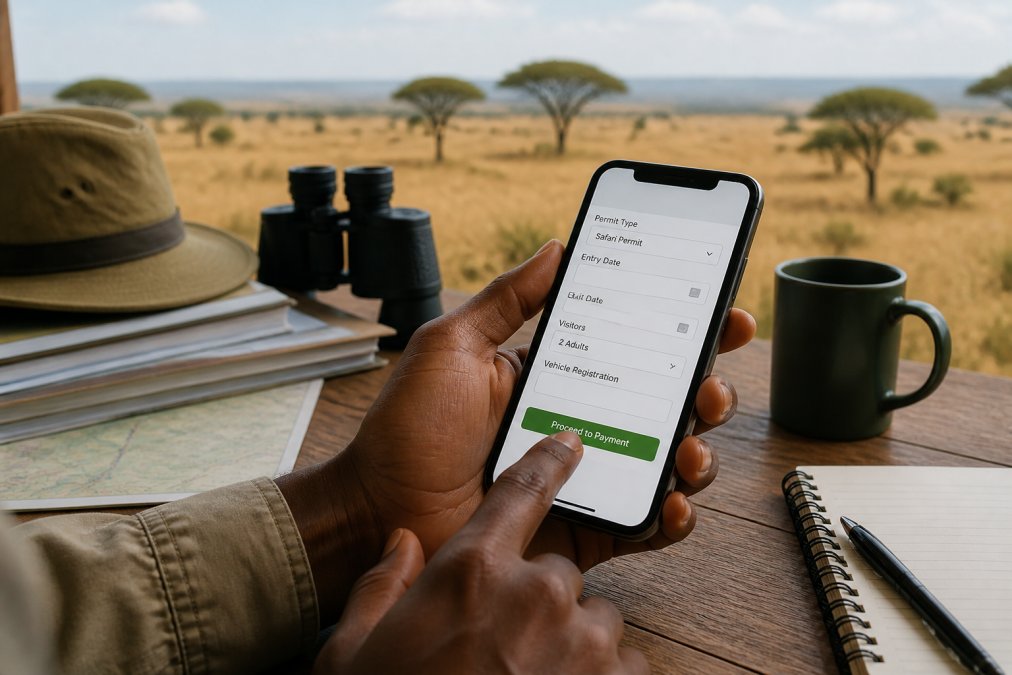
The booking process requires selecting your destination park, visitor classification, intended entry date, and vehicle details if applicable. The system calculates fees based on these parameters and current tariff schedules. Payment confirmation generates a permit ticket with a unique reference number required at entry gates.
Mobile money integration serves local and regional visitors effectively, while international visitors typically use credit cards through the payment gateway. The system provides real-time payment status updates via email confirmation. Common digital payment troubleshooting involves verifying correct card details, ensuring sufficient funds, and confirming your browser accepts the security protocols. Some international cards trigger fraud alerts with the payment processor, resolved by contacting TANAPA directly through their official channels.
The portal displays permit validity periods clearly. A 24-hour permit means your entry authorization remains valid for exactly 24 hours from the time stamp listed on your confirmation. Understanding this window prevents confusion when planning multi-day visits or sequential park entries.
Tanzania Safari Permit Booking Process
Booking your Tanzania safari permit involves sequential steps beginning with destination selection and concluding with permit validation at the entry gate. The process typically takes 5-10 minutes online, though processing and confirmation may require additional time depending on payment verification.
Start by identifying which parks you'll visit and your intended entry dates. Visitor classification determines your applicable fee tier: non-residents from outside East Africa pay the highest rates, while Tanzanian citizens and East African Community residents access reduced pricing. Children under 16 typically qualify for 50% discounts.
Vehicle registration information becomes necessary if you're entering via self-drive. The system requires your vehicle's registration number, vehicle type, and confirmation of whether the vehicle carries commercial or private license plates. Payment confirmation generates your permit ticket containing your reference number, entry date, park name, and validity period.
Real-time permit verification systems at major entry gates check your reference number against TANAPA's database. This automated validation typically completes within seconds, confirming your paid status and entry authorization. Gates maintain offline backup procedures for verification when digital systems experience connectivity issues.
Cost of Visiting Serengeti National Park
Serengeti National Park represents one of Tanzania's most visited destinations, attracting visitors for its exceptional wildlife concentrations and migration spectacles. Entry fees for Serengeti reflect its status as a premium park with higher conservation and management costs than smaller protected areas.
Non-resident adult fees for Serengeti peak season entry substantially exceed other parks in the TANAPA system. Peak season runs June through October, when migration patterns create optimal wildlife viewing conditions. Low season rates, November through May, offer significant savings while maintaining strong wildlife viewing opportunities, particularly for predator interactions and bird watching.
A single entry permit covers the entire park for your 24-hour validity period. Multiple entries on different days require separate permits and separate payments. Vehicle entry fees add to passenger permit costs, with commercial tour operator vehicles following different fee structures than private self-drive vehicles.
Conservation fees specifically allocated to Serengeti support anti-poaching operations in this high-pressure environment. Your conservation contribution directly funds ranger patrols and habitat protection in one of Africa's most biodiverse ecosystems. Simcha African Safaris Limited coordinates comprehensive Serengeti experiences that integrate entry permits, transportation, and accommodation into seamless itineraries.
Vehicle Entry Requirements and Conservation Fees
Vehicle classification determines your applicable entry fee structure and gate processing procedures. Tanzania distinguishes between private vehicles, commercial tour operator vehicles, and regional transport vehicles. Your vehicle's license plate type and registration documents establish this classification at entry gates.
Private vehicles operated by non-commercial drivers pay per-vehicle entry fees, regardless of passenger count. Commercial tour operator vehicles with proper licensing pay different rates but often benefit from volume discounts for multiple park visits. Vehicle registration documentation must match your booking information exactly, as TANAPA's system cross-references permits with vehicle registration records.
Conservation fees represent dedicated charges supporting specific park management priorities, funding anti-poaching patrols, habitat restoration, and wildlife monitoring programs. Environmental impact charges in some parks acknowledge the ecological footprint of vehicle traffic on sensitive habitats. Camping and accommodation fees within park boundaries incur additional charges beyond entry permits.
Payment Methods, Digital Gateways, and Real-Time Permit Verification
TANAPA's payment infrastructure accommodates multiple methods serving both domestic and international visitors. Credit cards through digital payment gateways serve the majority of international visitors, accepting Visa and Mastercard from most countries. Processing fees apply to international transactions, typically 2-3% of the permit cost.
Bank transfers represent an alternative payment method for advance bookings, allowing flexibility for large group bookings or complex multi-park itineraries. Processing times extend 2-3 business days for bank transfers, making this method less suitable for last-minute bookings.
Real-time permit verification systems at entry gates check your reference number against TANAPA's live database, confirming your paid status, entry authorization, and permit validity period. The verification process typically completes within 30 seconds, though peak season congestion can extend gate processing times.
International cards sometimes trigger fraud alerts with payment processors, requiring manual review. Verifying your card's international transaction settings before booking prevents unexpected declines. Currency fluctuation impacts international visitors' final costs, as TANAPA quotes fees in Tanzanian Shillings. Booking permits immediately upon deciding travel dates locks in rates, minimizing currency exposure.
Payment confirmation emails arrive within minutes of successful transactions, containing your permit reference number, entry details, and validity period. Screenshot or print this confirmation, as entry gate staff require visual verification.
Multi-Park Itinerary Cost Optimization
Visiting multiple parks requires strategic planning to optimize permit costs and entry timing. Each park entry requires a separate permit and separate payment. Understanding how 24-hour validity periods interact with multi-park itineraries prevents unnecessary duplicate entries and associated costs.
Consecutive park visits within a single 24-hour permit period require careful timing. If your itinerary includes Arusha National Park followed by Serengeti, entering Arusha in the morning and departing for Serengeti before your 24-hour window closes allows single-permit entry to both parks. Non-consecutive park visits across multiple days require separate permits for each park.
Seasonal timing affects multi-park cost calculations significantly. Peak season premiums apply to all parks simultaneously, so shifting your entire itinerary to low season reduces total costs proportionally. Group bookings may access volume discounts on vehicle entry fees, making group tours cost-effective for multi-park visits.
The permit validity system creates optimization opportunities for experienced planners. Understanding how 24-hour windows align with park boundaries and travel times between parks allows consolidating entries strategically. Simcha African Safaris Limited's itinerary planning incorporates these permit mechanics, structuring multi-park visits to minimize permit costs while maximizing wildlife viewing opportunities.
| Park | Peak Season Timing | Vehicle Type Impact | Conservation Fee Tier |
|---|---|---|---|
| Serengeti | June-October | Commercial lower | High |
| Kilimanjaro | Year-round | Climbing permit required | Medium |
| Arusha | Year-round | Standard vehicle rates | Low |
| Tarangire | June-October peak | Self-drive friendly | Medium |
| Ngorongoro | Year-round | Vehicle mandatory | High |
Navigating Tanzania's park entry system successfully requires understanding fee structures, permit validity periods, and payment verification procedures. The TANAPA online portal centralizes most bookings, though each park maintains specific requirements worth confirming before traveling. Planning permits 48 hours in advance prevents processing delays, and understanding your vehicle classification ensures accurate fee calculations.
Simcha African Safaris Limited handles these logistical details comprehensively, securing permits before your arrival and ensuring seamless entry gate processing. Our experience coordinating multi-park itineraries optimizes permit timing and costs while prioritizing wildlife viewing quality. Request a quote to explore how we structure your Tanzania safari experience, managing the complexity of park entry systems so you focus entirely on the adventure ahead.
Frequently Asked Questions
What are the entry fees for Serengeti National Park?
Serengeti entry fees vary by visitor classification and season. Non-resident foreign tourists typically pay higher rates than residents. Fees cover vehicle entry, park access, and conservation contributions managed by the national park authority. Peak season (June-October) commands premium tariffs compared to low season. For current official rates, check the TANAPA online payment portal or contact your safari operator, as tariff schedules are adjusted annually.
How do I pay for Tanzania national park permits online?
Most parks operate through the TANAPA online payment portal, which accepts multiple digital payment gateways including mobile money and international card payments. Visit the official TANAPA website, select your park and entry dates, input visitor classification (adult, child, non-resident, or tour operator), and proceed to checkout. You'll receive a booking confirmation and entry permit ticket via email. Some parks also accept payment at entry gates, though advance booking is recommended during peak season.
What is the difference between park entry fees and concession fees?
Park entry fees grant access to the protected area and fund park management. Concession fees, camping fees, and hut fees are separate charges for specific services or accommodations within the park. A self-drive visitor pays entry fees plus vehicle registration; a camper pays entry fees plus camping fees; a tour operator may pay entry fees plus concession fees for exclusive use areas. Understanding this breakdown prevents surprise charges at the entry gate.
Are park fees included in a guided safari package?
Park entry fees are typically itemized separately from tour operator costs in your itinerary planning. Some all-inclusive packages bundle them into the total price; others list them as pass-through costs. Always request a detailed tariff breakdown from your safari operator before booking. This clarifies whether conservation fees, vehicle registration, and permit tickets are pre-paid or due upon arrival, ensuring no confusion at the park gate.
This article was written using GrandRanker


